Why a Second Shooter Elevates Wedding Photography
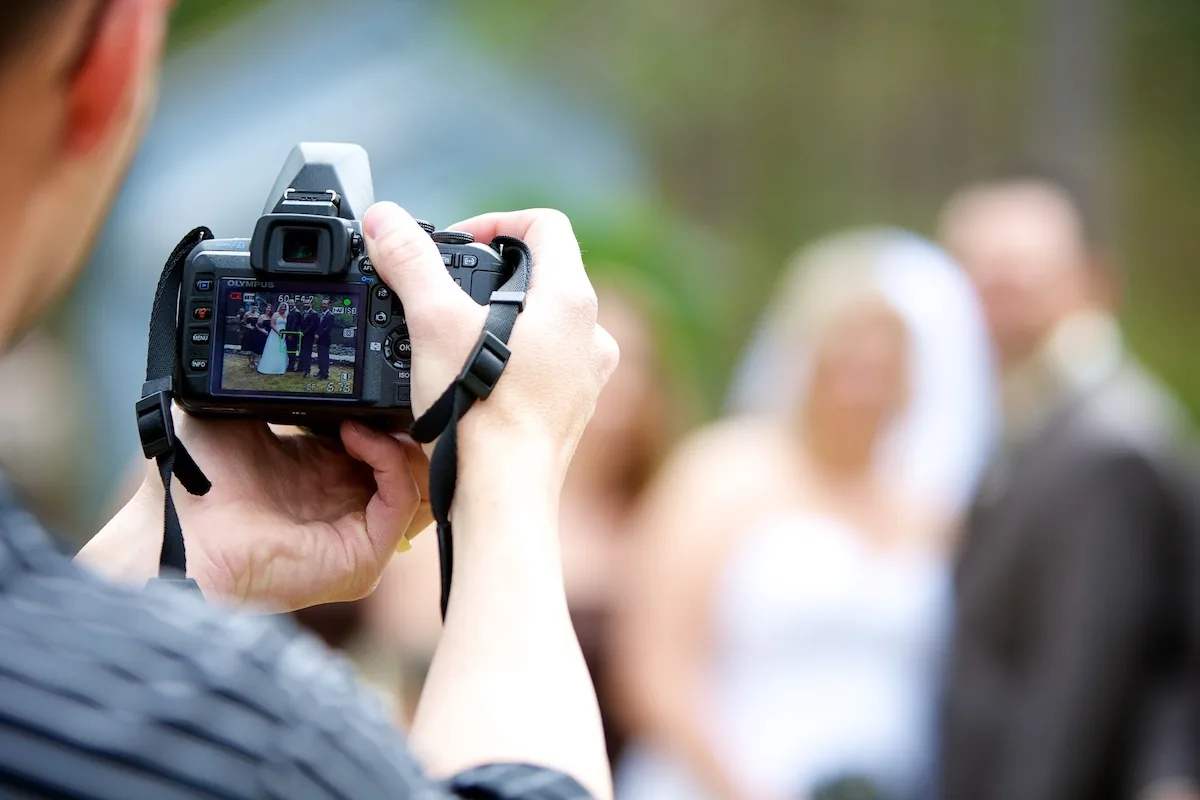
Most of what a second shooter is worth happens in the gaps. While the lead photographer is framing the bride walking down the aisle, the second is on the groom. While the lead is doing family portraits, the second is catching cocktail hour before it dissolves. You don't notice what they got until you're scrolling the gallery two weeks later.
We include a second shooter by default in our Collections coverage and add one to most Deluxe bookings above 80 guests. Below is what they actually do, when it's worth the add, and when it isn't.
What a second shooter is actually solving
Two things, mostly. The first is simultaneity — the fact that weddings produce emotional moments on opposite sides of the room at the same time. The first kiss is the easy example. The harder one: the mother of the bride reacting to a ring exchange while the bride's hand is being photographed from the front. Only two cameras get both.
The second is coverage debt. Every minute a lead photographer spends on formal portraits is a minute cocktail hour is happening somewhere else, uncovered. A second shooter pays that debt off in real time.
The moments a second shooter gets that a solo coverage can't
- Groom's face during the aisle walk — while the lead is on the bride
- Parents and grandparents during vows — reactions, not just the couple
- Cocktail hour — while family portraits are still running
- Reception setup — details of the room before guests enter, while lead is finishing couple portraits
- Two-angle ceremony — wide from the back, tight from the front, at the same time
- Getting ready for both partners in separate suites — standard on weddings with a big wedding party
None of these are impossible solo. They just require the lead to move faster, cover less, and miss more.
When we'd talk you out of adding one
- Intimate weddings under 25 guests. Two cameras in a living room is one too many. Put the money toward a longer portrait window.
- Single-location weddings under four hours. Lead can cover it cleanly alone.
- Small destination weddings where the venue logistics genuinely can't accommodate a second body without killing the vibe.
We've shot 30-guest backyard ceremonies where a second shooter would have meant someone standing awkwardly in a corner with nothing to do. That's not coverage — that's a line item.
What the second shooter is not
Not a backup plan for gear failure — every lead brings two bodies, three lenses, and spare cards regardless. Not a gofer — they're a photographer, not an assistant. Not a videographer — if you want video, hire video. A second shooter's job is a second camera making different pictures in different rooms at the same time the lead is working.
If you're deciding
Look at your guest count, the number of locations, and whether both partners are getting ready separately. Over 80 guests, two locations, or separate getting-ready: add the second. Under that, ask us honestly. We'll tell you the coverage we think the day needs and why.
Talk to us about your wedding and we'll walk through the right team size for it.
Planning your wedding?
Get a personalized quote from our team