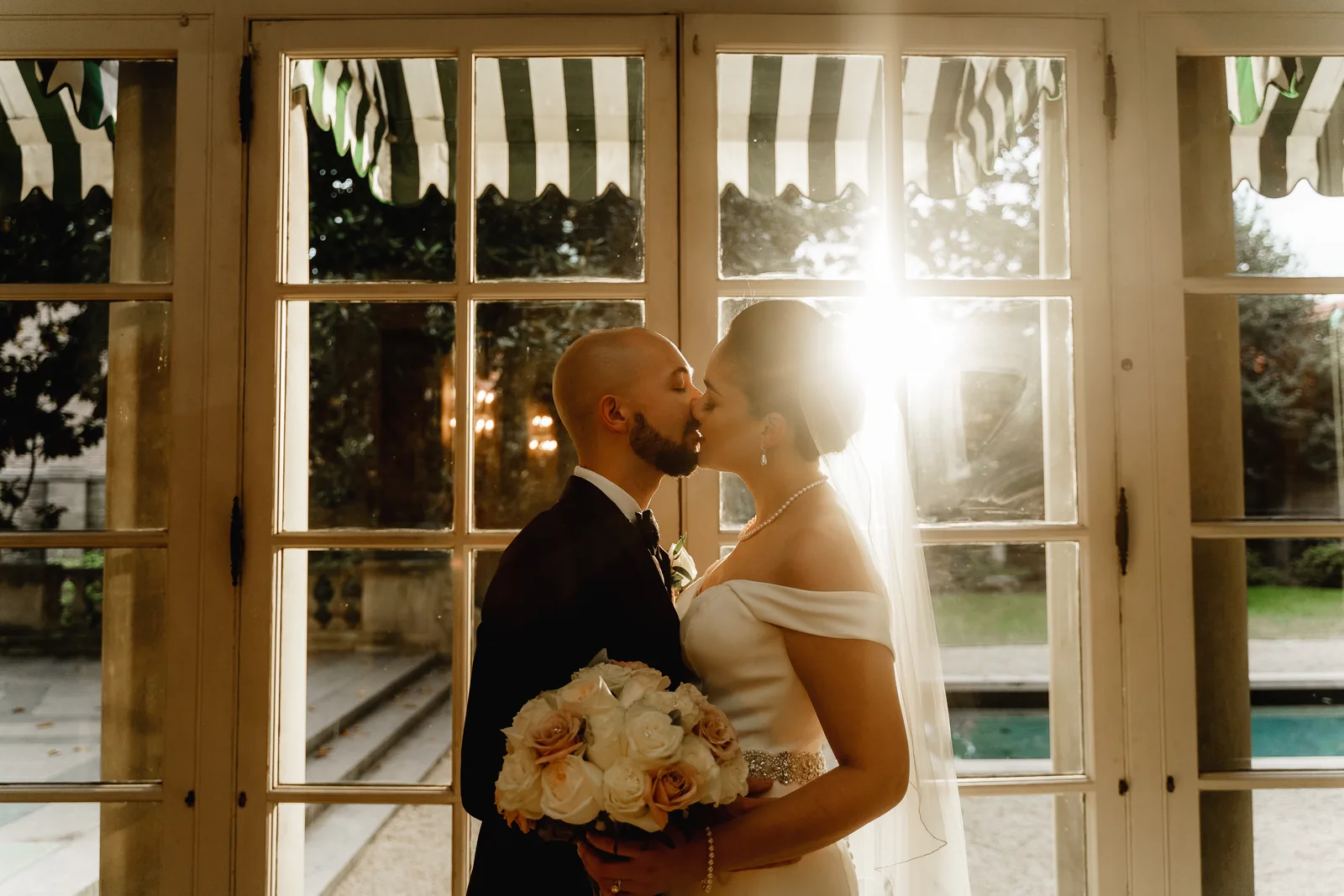
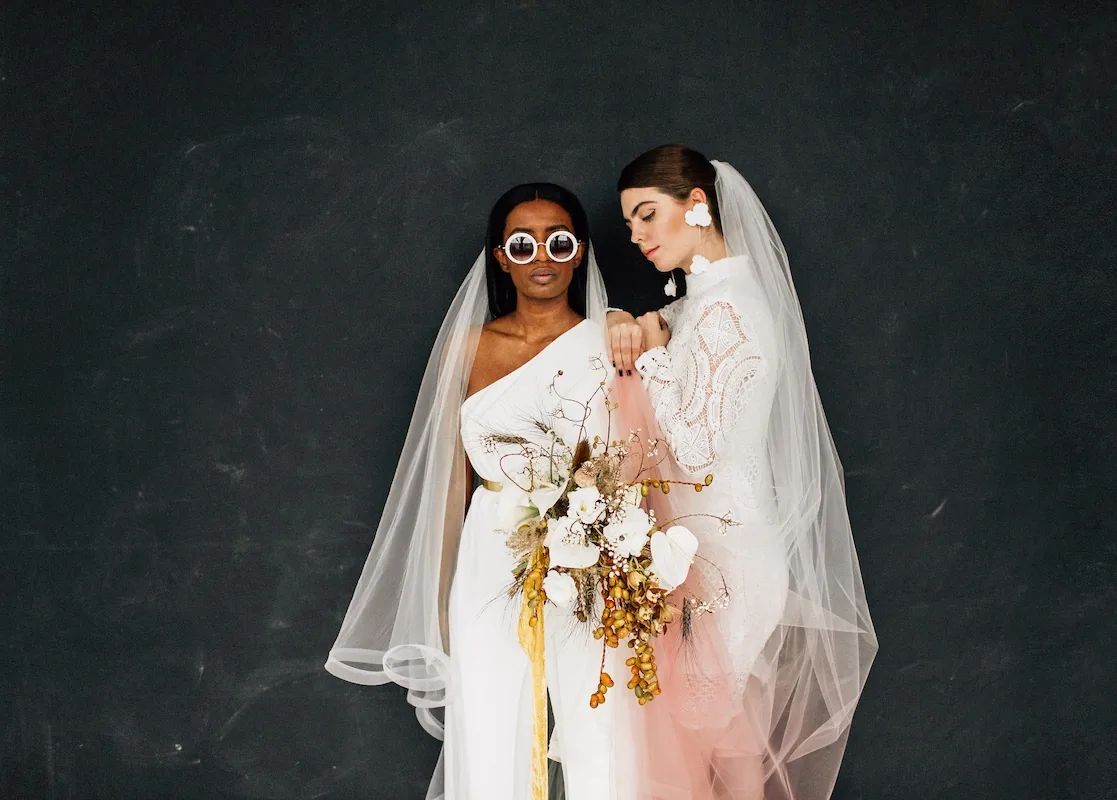
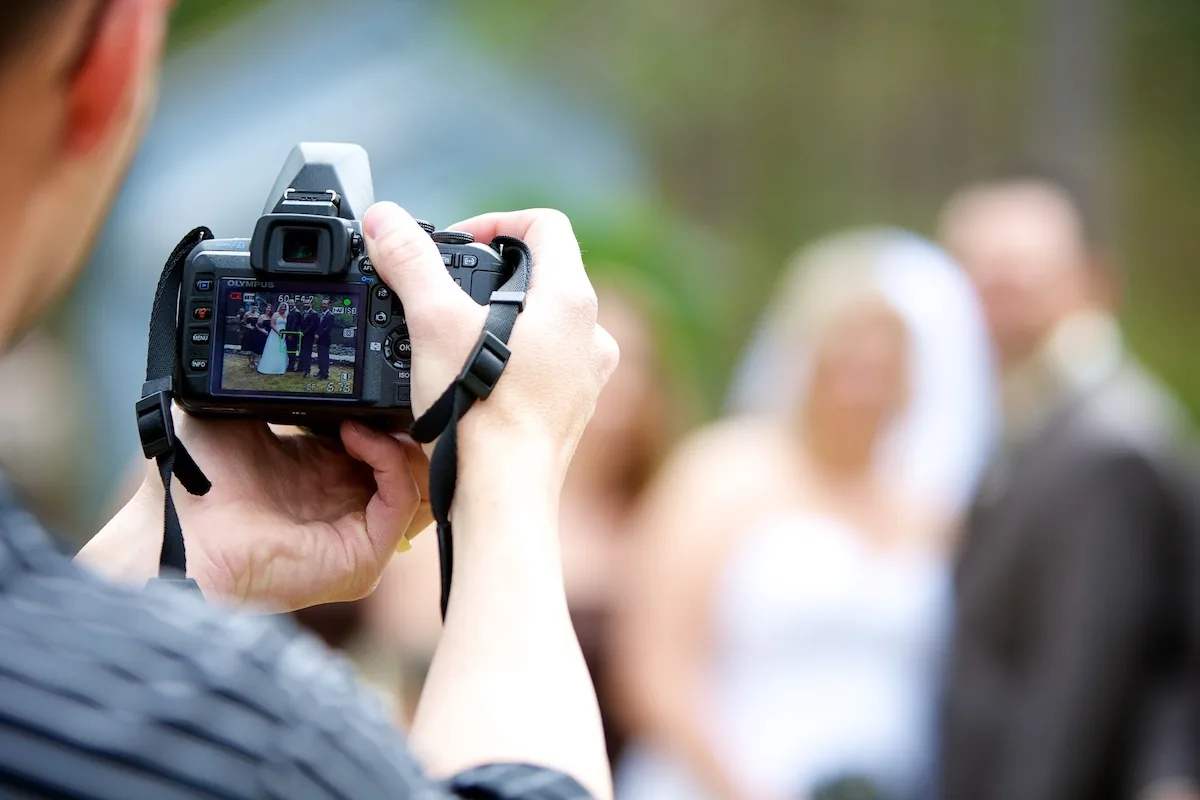
Tell Your Love Story Through Wedding Photos
A wedding gallery that tells a story is different from a wedding gallery that looks nice. Both can be beautiful. Only one is personal.
Here's how we approach wedding photography as storytelling — what actually captures the arc of your relationship instead of just the look of the day.
Quick answer
Storytelling wedding photography captures the full arc of your day — engagement through last dance — with equal attention to environment, candid moments, personal details, and posed portraits. The timeline creates a natural story structure; your job is to share context (how you met, who matters, what's meaningful) so the photographer can translate that into the gallery.
Step 1. Start with the engagement session
Every love story has a beginning. An engagement session captures yours before formalwear and family obligations take over.
Use the session to:
- Show your personalities in a relaxed setting
- Choose a location that means something — the coffee shop, the trail, the rooftop
- Bring props or outfits that reflect shared interests
- Be playful — laugh, kiss, move, interact
Engagement sessions also build comfort with the photographer. By the wedding day, you already know how they direct.
Step 2. Capture the setting as context
Great storytelling photography pays as much attention to the setting as to the subjects:
- The venue. Establishes place and tone.
- The decor. Reflects your taste and effort.
- The attire. Signals personality, culture, or tradition.
- The objects. Rings, invitations, handwritten vows, family heirlooms.
These aren't filler frames. They're the context that makes the emotional frames land harder. A photo of you crying during vows means more when the gallery has shown the venue, the flowers, and the notes you wrote each other.
Step 3. Follow the natural flow of the day
Wedding timelines create a natural arc. Work with it:
- Getting ready. Anticipation, quiet detail, intimacy with close circle.
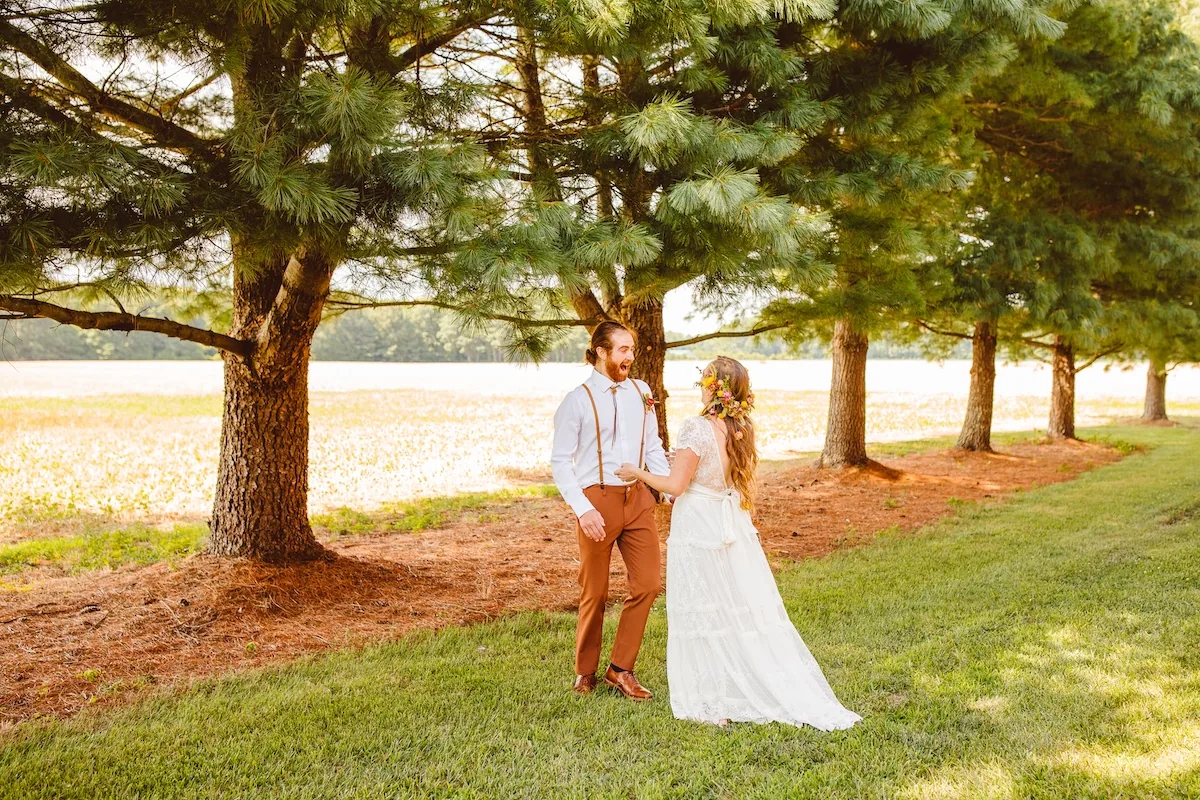
- First look or aisle reveal. Raw emotional reactions — unfiltered.
- Ceremony. The heart. Vows, tears, traditions.
- Portraits. The composed center — you, your family, your party.
- Reception. Celebration, speeches, dancing, release.
- The end. Last dance, exit, quiet close.
The best galleries honor this arc. They don't skip the "boring" parts — getting-ready, transitions, in-between moments — because the boring parts are where the story lives.
Step 4. Prioritize candid moments
Posed portraits have their place. But the story lives in what you didn't plan:
- A look shared during your vows
- A guest's tears during a toast
- A quiet moment of stillness between events
- Your mom fixing your hair before the ceremony
- A laugh that catches you off-guard
Photographers who shoot storytelling well spend the whole day anticipating rather than staging. Ask your photographer how much of their work is candid vs posed. The ratio tells you everything.
Step 5. Share context with the photographer
This is the step most couples skip. Before the wedding, send your photographer:
- How you met. A short paragraph.
- Your inside jokes. The ones you'd want in the prompts.
- People who matter most. Names and brief descriptions.
- Traditions or rituals that will happen during the day.
- Moments you're most excited about. So we can be ready.
- Moments you're nervous about. So we can handle them gently.
This context shapes the prompts, the coverage priorities, and the final edit. Without it, the gallery is generic. With it, the gallery is yours.
Step 6. Curate the gallery as a narrative
After the wedding, a storytelling photographer doesn't just deliver a chronological dump. They sequence. Edit. Curate.
The best galleries read like a film:
- Strong opener
- Rising action through the ceremony
- Climax at the first dance or a key emotional moment
- Resolution in the last frames
If your photographer delivers a flat chronological gallery with no rhythm, that's not storytelling — that's documentation. Different thing.
What a storytelling gallery actually contains
When coverage is built for narrative, the gallery includes:
- Wide shots that set the scene — venue, ceremony, reception
- Detail shots of meaningful objects — rings, vows, bouquet, heirlooms
- Candid reactions throughout the day
- Portraits that ground the arc — couple, family, wedding party
- Transition frames — the walks, the quiet moments, the in-between
- Emotional peaks captured cleanly — first look, vows, first dance, exit
Without any one of those, the gallery loses shape. All of them together is what makes it a story.
FAQ
Let's tell your story
Start a conversation and share a paragraph about your relationship. We'll show you what storytelling wedding photography looks like when it's built around the couple, not the template.
Planning your wedding?
Get a personalized quote from our team