The Craft of Wedding Photography: Storytelling, Candid Moments, and Cinematic Vision
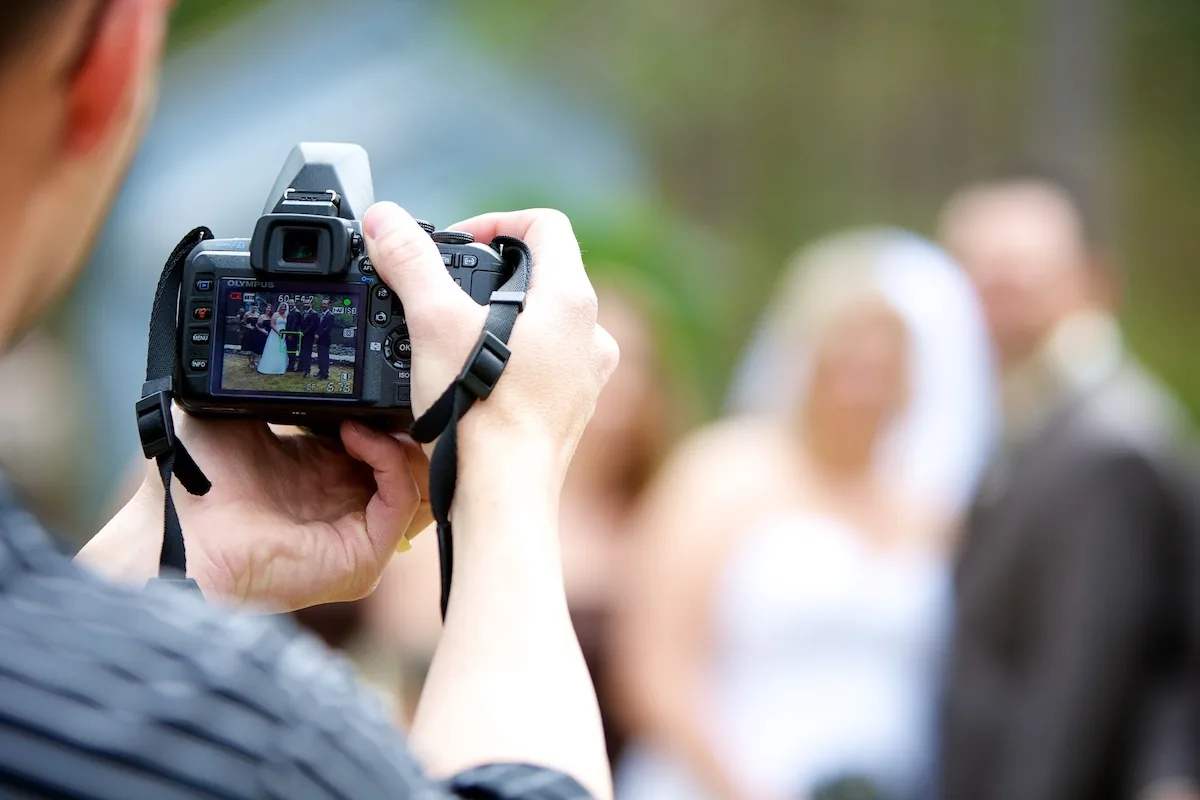
Wedding photography isn't passive documentation. It's a craft—the intersection of technical mastery (light, composition, equipment) and artistic instinct (knowing what matters, capturing authentic moments, creating images that move people). Understanding this craft helps you choose photographers who create art, not just records.
Candid moments vs. posed portraits: why you need both
Wedding photography splits into two languages, and they say different things.
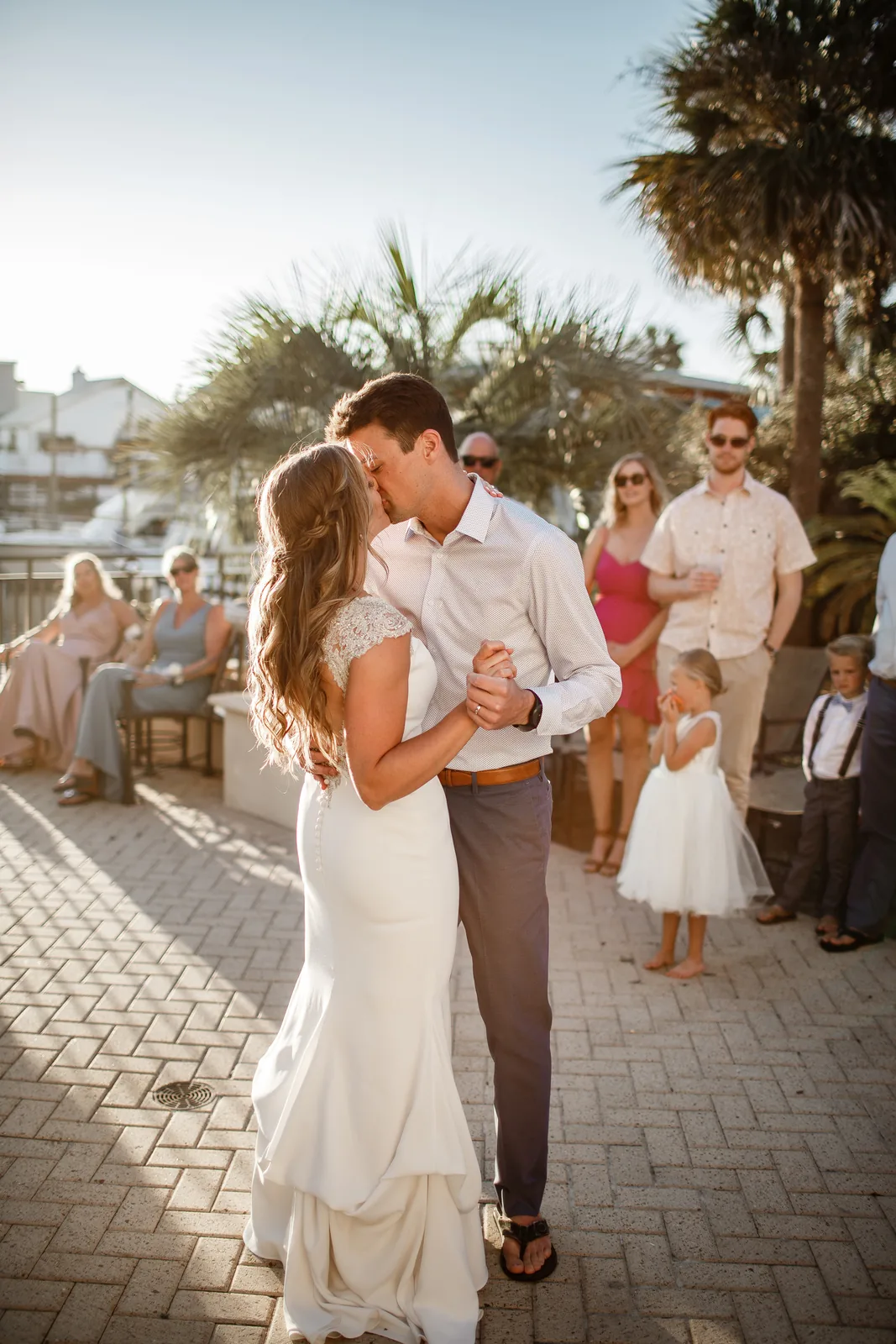
Candid moments are the grammar of authenticity. They're unplanned: the moment your best friend sees you in your dress and tears up. The way your partner's expression shifts when they're saying vows. Guests laughing at a joke during toasts. Your grandmother dancing. These moments reveal the actual emotional texture of your day—not how you look in a posed frame, but how you felt.
A photographer's skill in candids is instinct plus speed. They need to recognize a moment is building, position themselves without intruding, capture it with perfect focus and exposure, and move to the next moment before it passes. The best candid photographers are nearly invisible on a wedding day. You don't notice they're there until you see the photos.
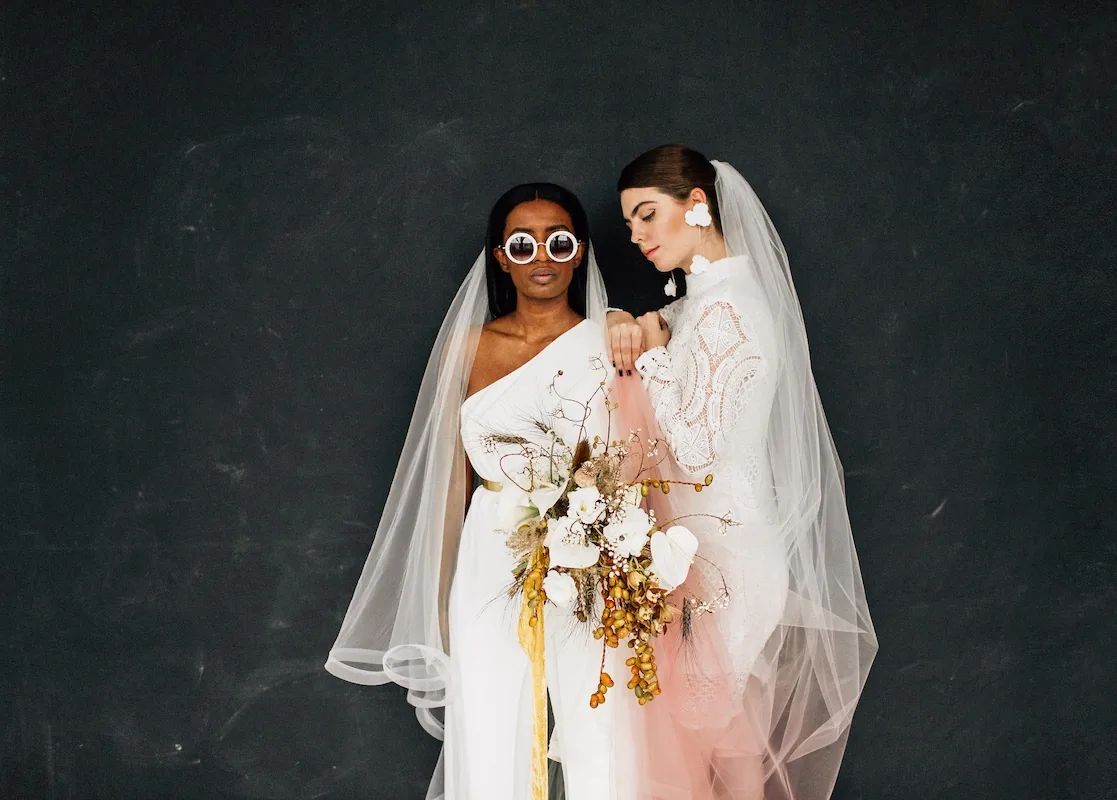
Posed portraits are the grammar of intention. You position yourself in light, the photographer frames the composition, and the result is a deliberate, beautiful image. Formal couple portraits, family groupings, detail shots—these are crafted. They're timeless because they're built to be. You'll display them on your wall for decades.
Posed portraits require different skill: understanding how light hits faces at different angles, where to position you for flattering proportions, how to compose a frame so the eye moves where you want it to. Posing isn't artifice—it's the difference between a snapshot and a keepsake.
The best wedding photography uses both languages. Candids capture your day as it was; posed portraits create the images you'll treasure forever. A photographer who only captures candids leaves you without formal portraits. One who only poses misses the authentic emotion of the day. Both together create the complete narrative.
Light: the actual medium of photography
If photography is an art form, light is the medium—the same way paint is to painting or marble to sculpture.
A photographer working in daylight at a venue isn't just documenting; they're reading the light: where it's hitting, how harsh or soft it is, whether it's flattering faces, how to position people to make light work for them rather than against them.
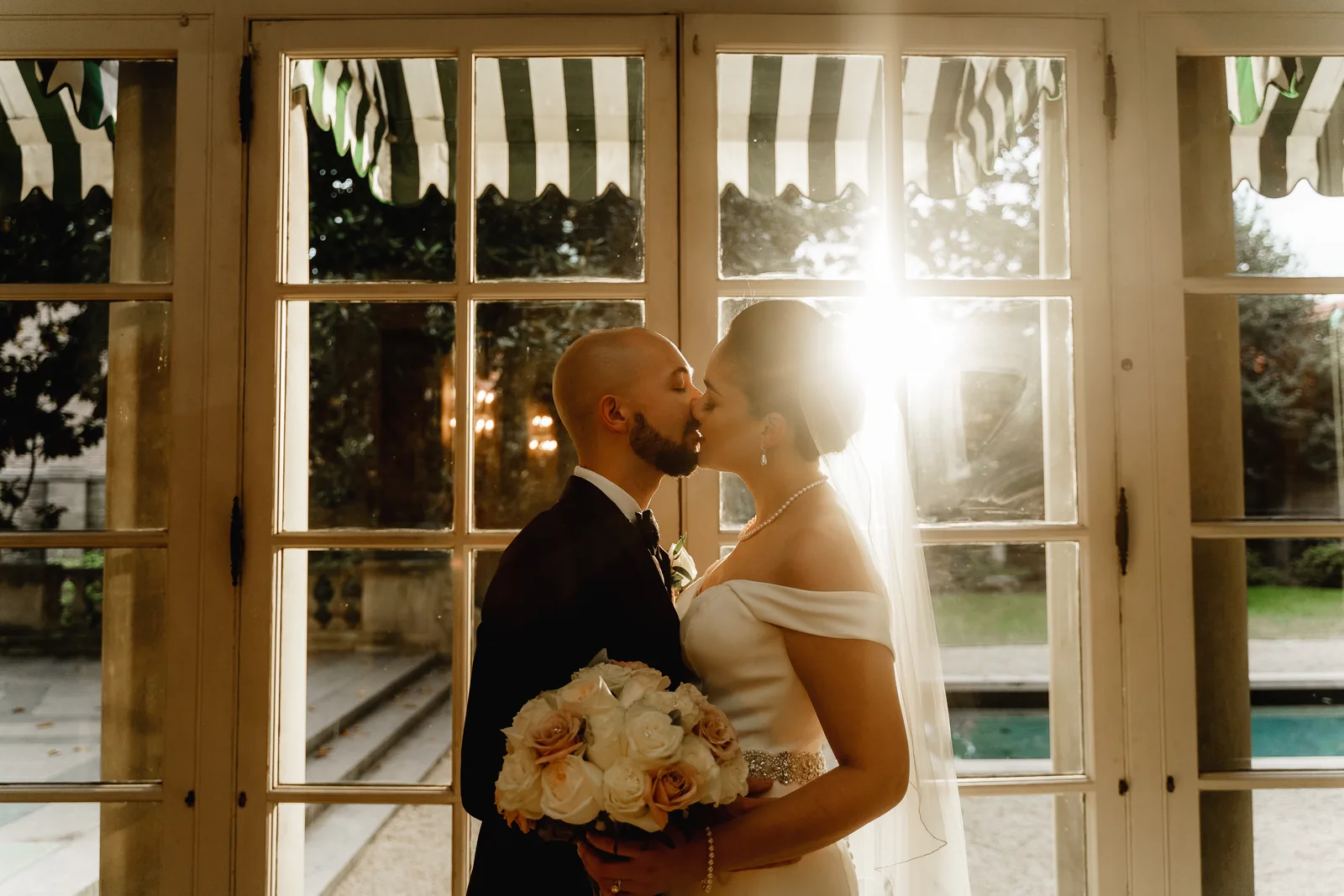
Golden hour light—the 60 minutes before sunset—is ideal because the sun is low, warm, and soft. It flatters skin, adds depth through shadows, and creates that glow people recognize instantly. But golden hour is one hour. A full wedding happens over 10. The skill is making beautiful photos in all the light the day offers.
Harsh midday light (11 AM–3 PM with overhead sun) creates unflattering shadows. A good photographer handles this by using open shade (positioning you under trees or building overhangs) or fill flash (adding light to shadows to balance faces). It's technical and takes practice.
Indoor or low-light situations require higher ISO, different equipment, and understanding how ambient light behaves in rooms. A photographer comfortable in these conditions adjusts; one who isn't creates blurry or underexposed photos.
Overcast light is actually ideal for some moments—even, shadowless, flattering for faces. It's not as dramatic as golden hour, but it's reliable and beautiful.
Understanding light also means understanding your venue. During planning, ask your photographer if they've worked there before, what time of day produces best light, where getting-ready and portrait sessions should happen. This conversation reveals whether they're thinking about light intentionally or just showing up.
The videography craft: motion, pacing, and emotion
Wedding videography is filmmaking. It's not just recording events—it's capturing emotional arcs, using camera movement and music to shape mood, and editing to create narrative pacing.
Camera work: A static tripod captures what happens. A moving camera tells you what to feel. Parallax (subtle movement that reveals depth), gimbal stabilization (smooth camera glide), drone footage (perspective and grandeur)—these create cinematic presence. Professional videographers choreograph camera movement the same way cinematographers do in films.
Color grading: Raw video straight from the camera looks flat. Color grading—adjusting colors to create a consistent, intentional aesthetic—transforms it. Warm tones for romantic moments. Cooler tones for dramatic ceremony. Consistent grading across the entire film creates visual coherence.
Sound design: Music, ambient sound, and voiceovers shape mood. A film edited to piano feels intimate; the same footage edited to upbeat music feels celebratory. Vows captured with natural sound feel authentic; underscored with music they feel profound.
Editing pacing: How fast or slow moments transition, where the music swells, when the edit stays still vs. moves—these determine emotional impact. A five-minute film of 100 moments edited at the right pace creates a complete emotional arc. The same footage edited differently tells a different story.
The best wedding videography looks effortless. You watch and feel the day. You don't think about technique. That invisibility is the result of sophisticated technique—camera work, light management, color choices, and editing all working together to create emotion.
The photographer's 'eye': instinct and composition
This is the hardest skill to teach or evaluate. Photographers can be technically perfect—perfect exposure, perfect focus, technically beautiful—and still miss the moments that matter. Or they can be instinctively drawn to authentic, moving moments that create emotional resonance.
A photographer's 'eye' is their instinct for:
- Moments: They sense a moment building—a parent's expression before walking you down the aisle, the instant before a kiss. They position themselves where that moment will happen, not where it already has. This is intuition shaped by experience.
- Composition: How a frame is constructed—where the subject sits, what's in focus, where the eye travels. Two photographers of the same moment will compose it differently. One might center the couple; another might frame them slightly off-center with guests in soft focus behind them. Both are technically competent; one has stronger compositional instinct.
- What matters: Which moments will resonate in retrospect? The formal ceremony kiss everyone expects, or the moment right after when you're looking at each other in disbelief? Good photographers capture both, but they instinctively know which will move people.
Evaluating 'eye' means looking at full portfolios—not just one wedding, but 5–10 weddings. Do their images consistently show instinct for moments and emotion? Do you feel something looking at them, or just admire technical skill? Can you imagine your wedding in their style and want it?
This is the question that matters most but is hardest to quantify. A photographer can own excellent gear and understand light perfectly but lack the instinct to capture the moments that become your favorites. The inverse is also true—an instinctive photographer working with limited equipment can still create powerful images.
Photo and video teams: complementary coverage
The best weddings have a photographer and videographer working together. They capture different moments from different angles with different tools, and the result is a more complete record.
A photographer with a second shooter can cover the ceremony from two angles simultaneously, ensuring every important moment is captured in stills. A videographer working alongside captures the ceremony's emotional arc and sound—your vows, reactions, the music. Both together give you the moment in still frames and moving footage.
During reception, a photographer captures details, candid moments, dancing sequences, family interactions. A videographer captures the energy of the dance floor, the song choices, the feeling of celebration unfolding. Together, they create a record that's more complete than either alone.
A single person attempting both misses moments switching between mediums. During a crucial part of ceremony, if they're holding a video camera, they're not capturing stills. If they're shooting stills, they're missing video. Simultaneous coverage solves this and creates better final products for both.
Craftsmanship in service of memory
The most important thing about wedding photography and videography isn't any single technique. It's the intention to create images that matter, that hold emotion, that let you relive your day in ways that matter to you. That intention—the craft in service of memory—is what separates work from art.
When you're evaluating photographers and videographers, you're not just hiring documentation. You're choosing who will capture one of the most important days of your life in a way that will stay with you for decades. The craft matters because it's how they honor that responsibility.
Let's talk about how we approach your wedding and what the process looks like. You might also find useful our collections at Basics, Classics, Deluxe, and Collections package levels, and how full-day coverage captures your entire day.
Planning your wedding?
Get a personalized quote from our team