Luxury Bridal Portraits: Achieve an Editorial Look
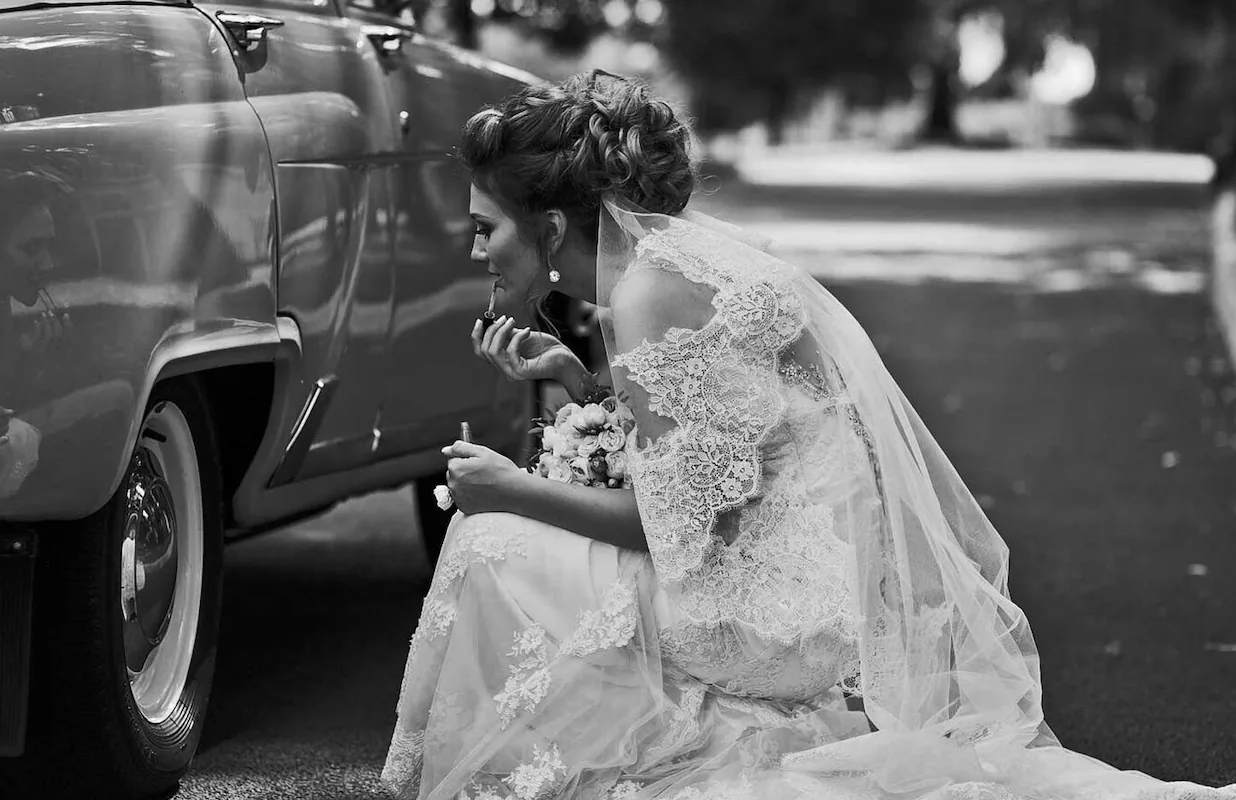
There's a quiet stretch before the ceremony when most brides are finally alone with themselves. Makeup is done. Dress is on. Someone just left the room.
That's when the portraits we care about most get made — not during the scheduled portrait block with the bridal party standing around, but in the ten minutes before anyone else walks in.
What makes a bridal portrait read as editorial
Three things, mostly:
Posture that isn't posed. An editorial portrait has a body doing something — walking, turning, resting against a doorframe. Not standing square to the camera.
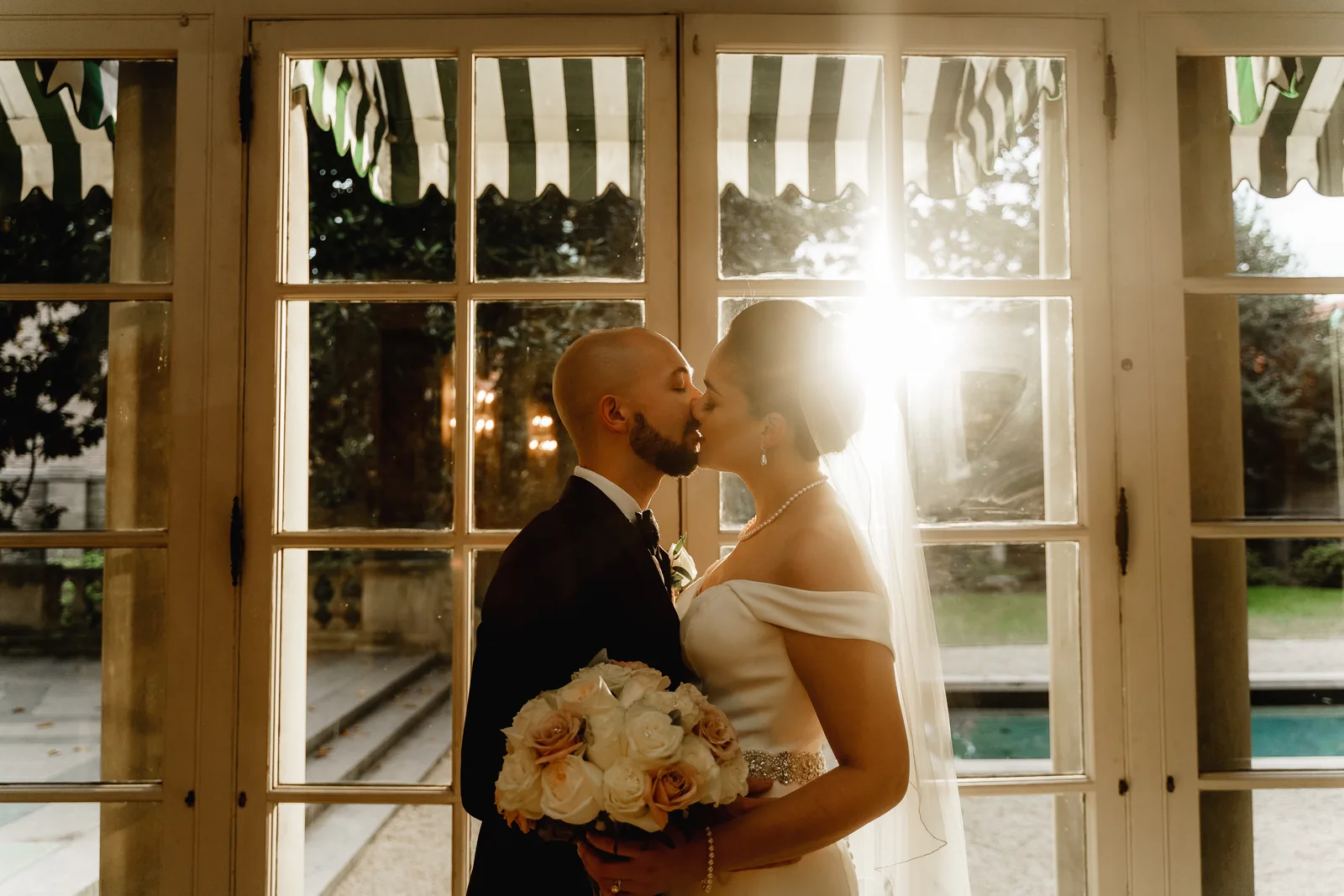
Directional light. A window, a doorway, anything that casts light from the side rather than straight on. Front-flat light flattens everything. It's not going to read as editorial no matter what the subject is wearing.
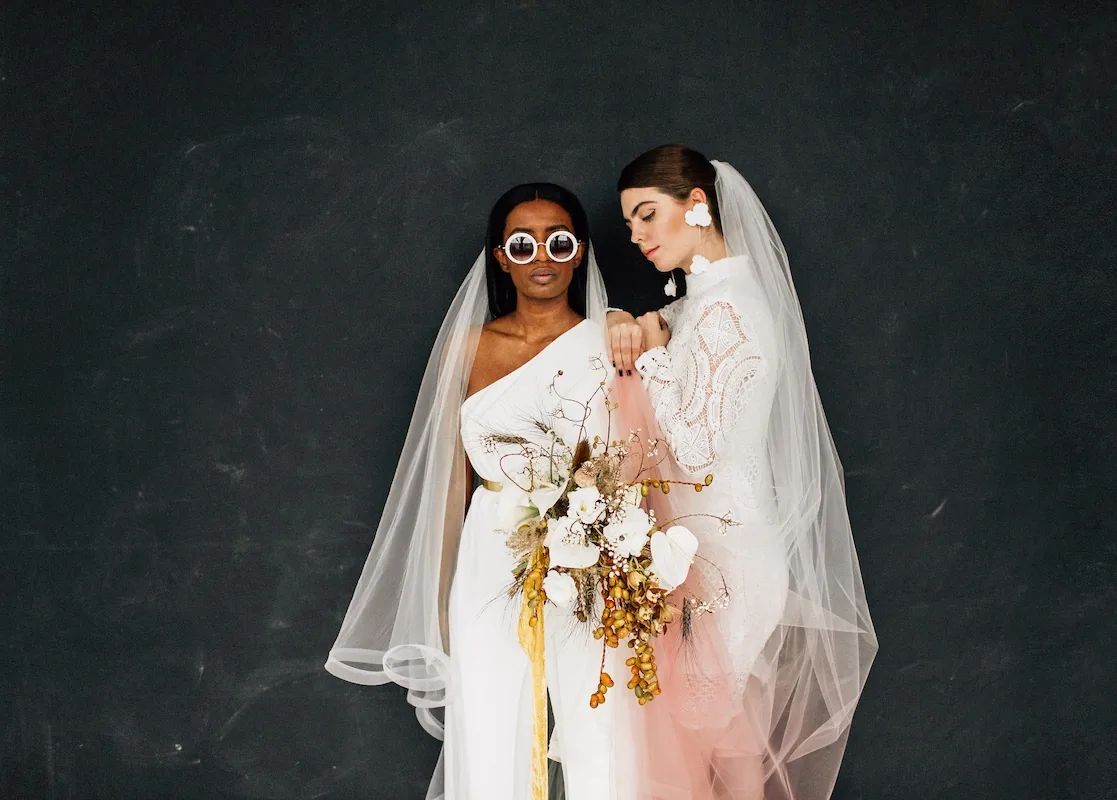
One bold element. The veil in motion. The architecture behind her. The shadow across the room. Editorial work picks one thing to draw the eye and lets everything else stay quiet.
Most attempts at editorial bridal work fail because photographers try to stack all three things into every frame. You don't need drama in every element. You need one.
The best bridal portraits are ones where the bride is doing something, not holding still.
Why the ten-minute window matters
If you budget bridal portraits for the scheduled photographer block — the 20-minute slot between the first look and the ceremony — you're going to get competent portraits. You're not going to get editorial ones.
Editorial portraits need time. Time to walk to a different window. Time to wait for the light to move. Time for the bride to forget she's being photographed.
When a couple asks us where to cut their day to get better portraits, our answer is almost always: move the first look 30 minutes earlier. That single change buys the bride half an hour of quiet portrait time before the schedule takes over.
What we ask about the dress
Not the designer. Not the price. We ask about the movement.
Does it sweep? Does it have a train that trails or one that bustles? Is the veil long enough to catch wind? Is there anything sheer? Does the back of the dress photograph better than the front?
Most wedding coverage treats the dress as a subject. Editorial treats it as a material — fabric that does things with light and motion. If the photographer doesn't know the answers before the day, they're going to shoot the dress wrong.
Location
The right location for editorial bridal work is almost never the bridal suite. Bridal suites tend to be decorated for the bridal party, not for the camera — mirrors, clutter, matching robes. None of that photographs well.
Better options: an empty guest room at the venue with a good window. A hallway with architectural interest. The lobby before guests arrive. A staircase with good banister shadows.
Post-production, briefly
Editorial editing is mostly restraint. Warm skin tones. Slightly crushed shadows. No skin smoothing that erases the person. No sky replacement. No over-dramatic vignettes.
The processing should be invisible. If you can tell the preset, the preset is too strong.
Bridal portraits aren't about being photographed. They're about finally being seen.
Planning your wedding?
Get a personalized quote from our team