Why Lighting Is Everything in Wedding Photography
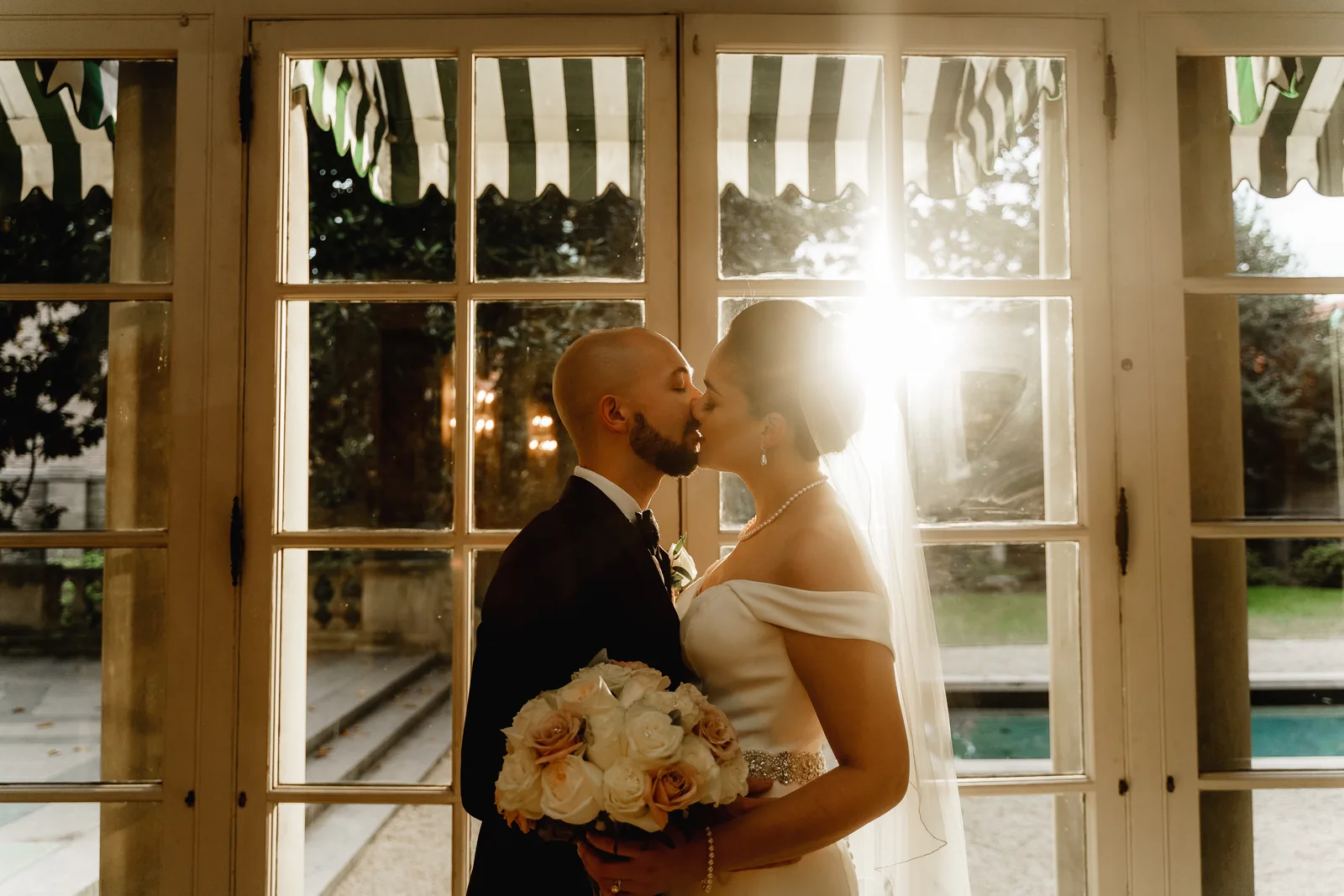
Lighting is the least-glamorous variable in wedding photography and the one that matters most. Two photographers can stand in the same spot with the same gear and deliver completely different galleries based on how they read and shape the light they're given.
As a couple, you can't control all of it — but the parts you can control are worth a conversation.
Quick answer
Good light is the single biggest multiplier on wedding photo quality — more than camera, more than venue, more than posing. Schedule outdoor ceremonies within two hours of sunset, get ready near a window (not in a bathroom), book couple portraits at golden hour (90 minutes before sunset), and ask your venue or DJ to set reception uplights to warm white during dinner and speeches.
Why light outranks gear
Every modern full-frame camera produces technically excellent files in good light. The variable is the light.
A $6,000 camera in direct midday sun makes the same harsh shadows and squinting faces as a $1,500 camera. Move that $1,500 camera into golden hour or open shade and the difference disappears.
What a skilled photographer does is read the light in front of them and position couples to use it. Sometimes that means moving 10 feet. Sometimes it means shooting through a window instead of in front of it. Sometimes it means waiting 20 minutes for sunset to soften.
Natural light: what it's good at
Natural light is the default for most wedding coverage. It's soft, directional, and flattering when used well.
Where it shines:
- Getting ready near a big window
- First looks in open shade
- Outdoor ceremonies within 2 hours of sunset
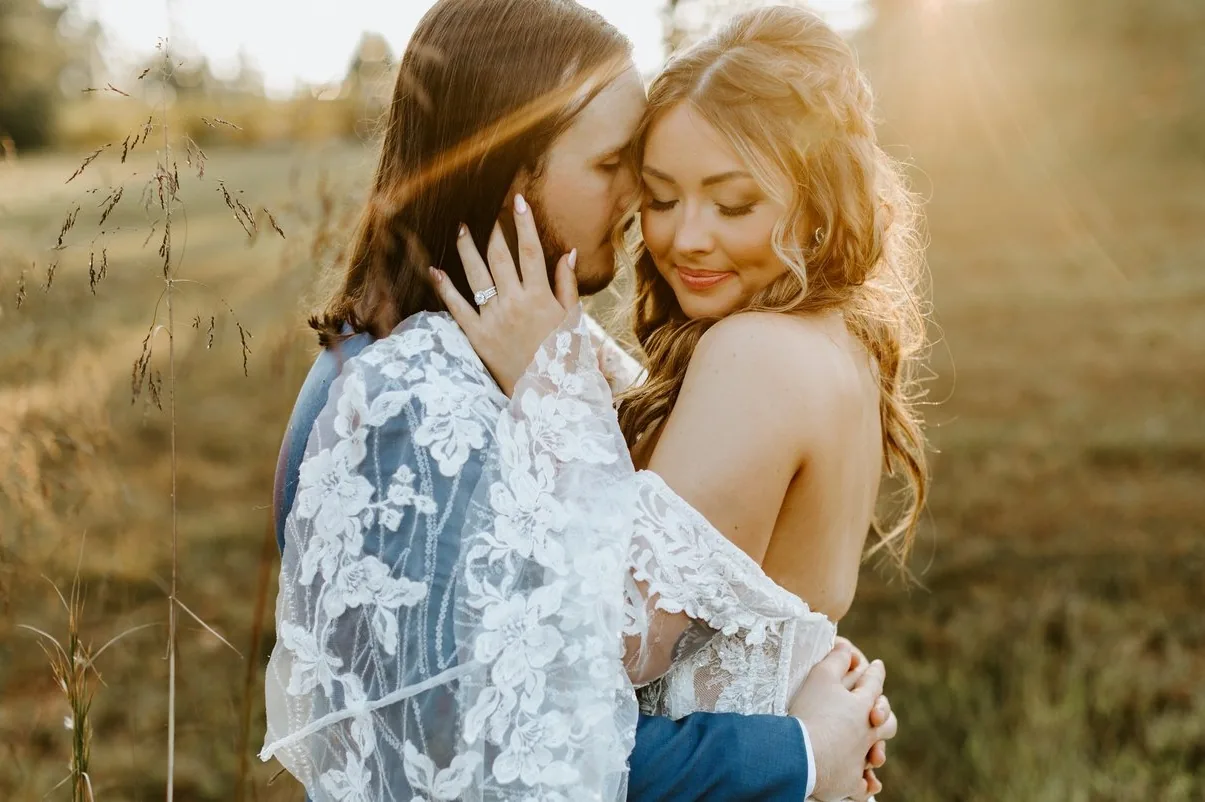
- Couple portraits at golden hour
- Outdoor cocktail hours
Where it struggles:
- Cloudy afternoons turning dark fast
- Dark church sanctuaries at winter weddings
- Mixed-light reception halls
- Outdoor events where rain forces everything indoors
A photographer who only shoots natural light will win at sunny outdoor weddings and fold at dark ballrooms. Hire someone who does both.
Artificial light: when it saves the day
Off-camera flash is the tool most needed at weddings and the one couples most fear.
A good flash setup — bounced off a ceiling or diffused through a softbox — looks like window light in a dark room. It's invisible to guests and critical for:
- Dark ceremony venues
- Reception dance floors
- Speeches in dim dinner rooms
- Portraits after sunset
The "pros vs cons" version you read online misses the point. You don't pick one; you need both. Photographers who can run natural-light-only outside and off-camera-flash-bounced inside are the ones who deliver consistent galleries.
What couples can actually control
Ceremony timing
Outdoor ceremonies within 2–3 hours of sunset produce the best light. Earlier — especially midday — creates harsh shadows and squinting guests. Later — after sunset — you're in flash territory and it's harder to capture the wider venue.
If the venue has a strict ceremony time you can't move, you can't move it. But if you have flexibility, ask your photographer when sunset is and plan accordingly.
Getting-ready location
Non-negotiable: find a room with one big window. That's it.
Rooms to avoid:
- Bathrooms — worst light in the building, always
- Basement suites with only overhead fluorescents
- Anywhere with mirrored walls that bounce mixed light everywhere
If the only available space has bad light, ask the photographer to bring a reflector or a small LED panel — they usually have both.
Portrait window
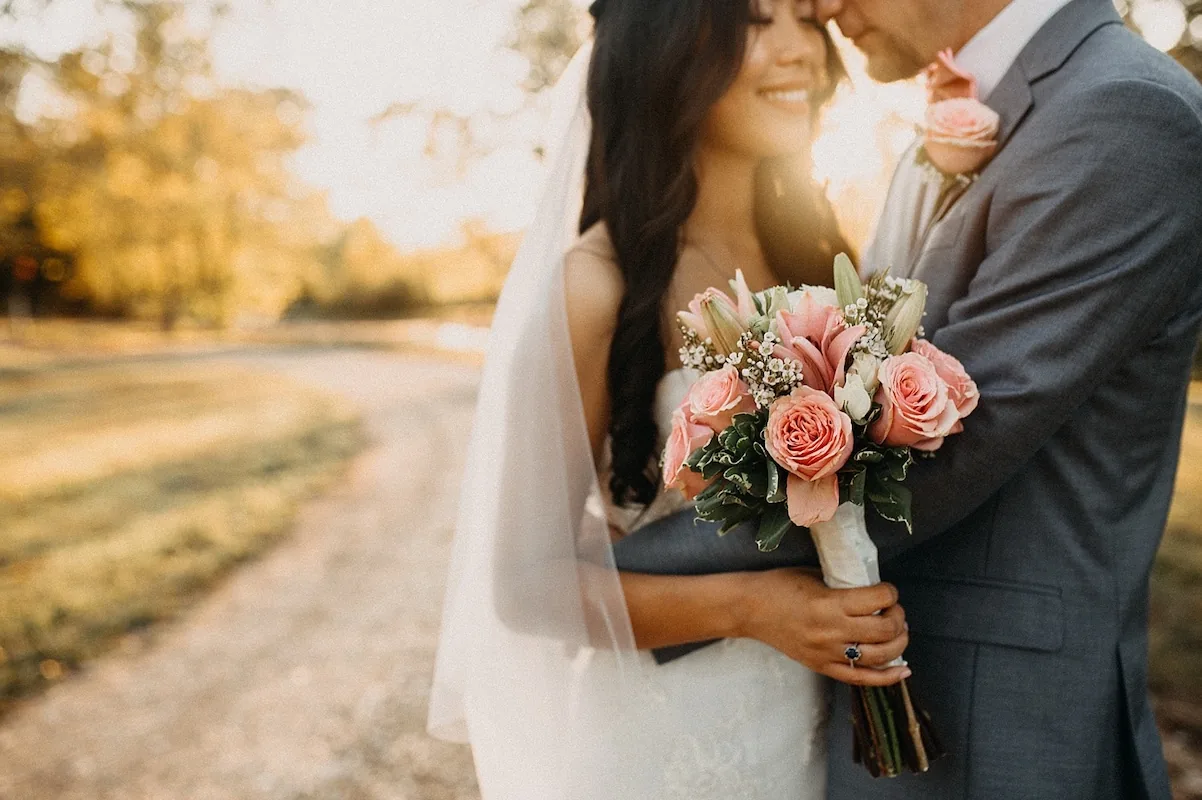
90 minutes before sunset is the single most flattering light of the day. Schedule 45–60 minutes of couple portraits here if it's remotely possible.
What this looks like in practice:
- Sunset at 7:30pm → portrait window 6:00–6:45pm
- Schedule ceremony at 4:30pm so you're done with family photos by 5:30
- Cocktail hour 5:30–6:30 (you're shooting, guests are drinking)
- Reception starts at 6:30
Reception uplighting
The colored uplights that look great in person — purple, pink, blue — produce color casts that can't be fully corrected in post. Skin looks purple. White dresses look violet.
Ask your DJ or venue to program uplights to:
- Warm white during dinner and speeches
- Any color during dance floor
This one adjustment makes a 2x difference in your reception photos.
Reading a venue's light before you book
Walk the venue at the actual time of your planned ceremony. Look for:
- Direction of sun at ceremony time (east or west?)
- Available shade
- Window placement in getting-ready rooms
- Reception lighting options (dimmable? uplight colors?)
- What the dance floor looks like with music-program lights running
If the venue rep can't answer the lighting questions, ask your photographer to scout with you. Every good photographer will.
What to ask your photographer
Before you book:
- How do you handle dark reception venues?
- Do you bring off-camera flash, and how many setups?
- Can I see a dance-floor gallery from a dim venue?
- How do you handle mixed lighting — tungsten, daylight, LED all in one room?
- What time do you recommend I schedule ceremony for optimal light?
The answers separate photographers who understand light from photographers who hope for sunshine.
Frequently asked questions
Let there be (good) light
Book the photographer. Then plan the schedule around the sun, not the other way around. Talk to us about your timeline and we'll help work the light in your favor.
Planning your wedding?
Get a personalized quote from our team