Full Wedding Day Photography: Start to Finish
A wedding day isn't one event. It's seven — each with its own light, mood, and kind of photo that works. Understanding the arc is how you decide how much coverage you actually need, and how to pace the timeline so no phase gets squeezed.
Quick answer
A full wedding day runs seven phases: getting ready, first look (optional), ceremony, couple + family portraits, cocktail hour, reception, and late-night send-off. Full-day photography coverage typically runs 10–12 hours and costs $3,500–$8,500 in most US markets. Partial coverage (6–8 hours) covers core moments but forces trade-offs on the bookends.
Phase 1 — Getting ready (morning)
The most emotionally rich phase and the most commonly skipped. This is where moms tear up helping with the dress, where fathers see their kids as adults for the first time, where the wedding-party friends say the unguarded things.
What's in frame: Hair and makeup wrapping up, dress hanging in window light, rings and stationery details, handwritten letter exchanges, the first time you put on the full look.
Ideal coverage window: 90–120 minutes, starting 30 minutes before you put on the dress.
Light: Soft window light. Find the biggest window in the getting-ready suite and build the coverage around it.
Commonly missed: Pre-dress candids (before everyone is camera-ready). These are often the warmest.
Phase 2 — First look or pre-ceremony portraits (optional)
If you're doing a first look, this happens 60–90 minutes before the ceremony. If not, this is a solo-portrait window for each partner.
What's in frame: The first-look reaction, immediate couple portraits, relaxed wedding-party shots, any pre-ceremony family portraits you can run before guests arrive.
Light: Whatever you choose — you have full control here. Pick the location for the light, not the other way around.
Skip if: You want to preserve the aisle-reveal moment. See first look vs. aisle reveal.
Phase 3 — Ceremony
The emotional centerpiece. Usually 20–60 minutes depending on religious or cultural structure.
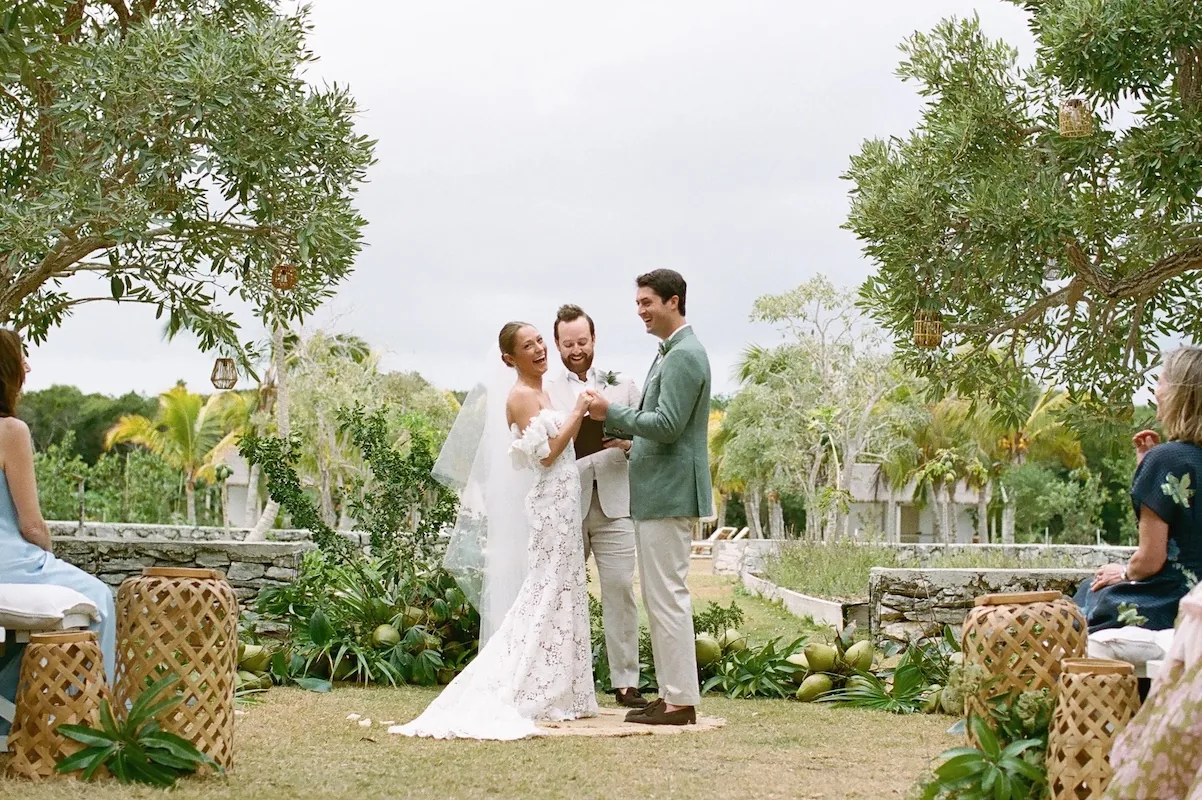
What's in frame: Processional, readings, vows, ring exchange, the kiss, recessional, guest reactions.
Light: Whatever the ceremony gives you. Outdoor afternoon ceremonies are the hardest — midday sun creates top-light shadows and squinting. Early morning and late afternoon work better.
Commonly missed: Guest reactions. A solo photographer covering only the altar misses the half-gallery of faces in the audience.
Phase 4 — Couple and family portraits
The single most important hour of your photography day. Nearly every framed print your couple friends have hanging on walls came out of this window.
What's in frame: Family groupings (10–15 total), wedding-party portraits, and 60–90 minutes of couple portraits in golden light.
Ideal scheduling: Golden-hour couple portraits = 60–90 minutes before sunset. Build the timeline backwards from that.
Commonly missed: Couples get rushed here because cocktail hour is short. Protect this window. Extend cocktail hour if needed.
Phase 5 — Cocktail hour
Candid coverage while you either attend (first look) or do portraits (aisle reveal).
What's in frame: Guests mingling, drink details, appetizer shots, first candid interactions between families.
Light: Whatever the venue gives you. Cocktail hour is often outdoors at golden hour — visually the prettiest stretch of the day.
Commonly missed: The couple themselves in cocktail hour. If you did a first look, be in frame occasionally — it's your gallery too.
Phase 6 — Reception
The celebration. Grand entrance, first dance, parent dances, toasts, dinner, cake, open dancing.
What's in frame: Entrance reactions, first-dance expressions, speech-giver and audience reactions, dancing, late-night snack bar details, any cultural reception elements (hora, Chinese toast table, second-line parade, etc.).
Light: The hardest of the day. Mixed tungsten, LED, dance-floor wash, candles. This is where expensive lighting gear earns its keep.
Commonly missed: The dance floor 90 minutes after the first dance — peak energy, most inhibitions gone, best candid frames.
Phase 7 — Late night send-off
Sparkler exits, bubble exits, getaway-car portraits, final quiet moments before leaving.
What's in frame: The exit itself (one-take, choreographed), post-exit couple portraits, sometimes a last dance alone after guests leave.
Light: Sparklers throw warm ambient light that flatters everyone. Worth planning for.
Commonly missed: Couples cut coverage at 9 p.m. to save budget and miss this entirely. Often worth the extra hour.
How coverage length changes the gallery
The honest trade-offs at different coverage lengths:
- 6 hours: Ceremony + most of reception. Skips getting-ready and usually cuts off before dancing peaks. Works for small intimate weddings at one venue.
- 8 hours: Late getting-ready + ceremony + portraits + most of reception. The most common package. Loses first-hour prep and exit.
- 10 hours: Full getting-ready through dinner + key dances. Where most full weddings feel complete.
- 12 hours: Arrive-to-leave. Everything captured. Worth it for full-day cultural weddings and multi-location days.
What full-day coverage should include
Any full-day package worth booking should include:
- 10–12 hours of continuous coverage
- Two photographers for weddings over 150 guests
- Consistent editing across all seven phases (not 500 different looks for 500 different lighting situations)
- Timeline planning support before the day
- Travel covered within your region, not billed as surprise add-ons
- Sneak-peek images within 48 hours
- Full gallery within 14 days (our standard, not the industry's)
FAQ
If you want a photography team that sees all seven phases as one story — let's talk.
Planning your wedding?
Get a personalized quote from our team