How to Remember Every Moment of Your Wedding Day
Every couple is warned about it. Nobody believes it until it happens.
The wedding day you've spent a year planning arrives, and three hours in you realize you've already missed things. Your cousin flew in from overseas and you haven't hugged her yet. Your mother has been crying quietly in the corner. The light coming through the ceremony window looked different than you pictured, and you barely looked at it.
It goes fast. You can't slow it down. But you can choose what gets preserved.
Quick answer
Wedding days move faster than couples expect because adrenaline compresses time. The memory you'll keep will be emotional and incomplete — vivid in flashes, blurry in between. Professional photography and videography fill in what your memory can't: the visual details, the voices, the motion, the moments you didn't see because you were focused elsewhere. Build buffer time into the schedule and plan one or two deliberate pause points to stay present.
Why the day feels so fast
Time isn't actually moving faster on your wedding day. Your attention is.
When you're emotionally heightened, switching between tasks, and surrounded by people who want something from you, the brain processes events differently. Hours compress. Whole segments disappear from memory — not because they didn't matter, but because you weren't logging them.
Every couple who's been through it says the same thing: "It was over before I could look around." Planning for that reality is the only way to mitigate it.
What your memory will keep
Memory is selective. Over time it retains:
- Emotional peaks — vows, first dance, toasts
- The faces of people closest to you
- How you felt, if not exactly what happened
It softens or loses:
- What guests looked like beyond the inner circle
- The sequence of small moments
- Conversations that felt important at the time
- The sensory texture of the day — sound, light, motion
Both parts are normal. The first is what makes the day precious. The second is why you hire a photographer and a videographer.
What the camera captures that you won't
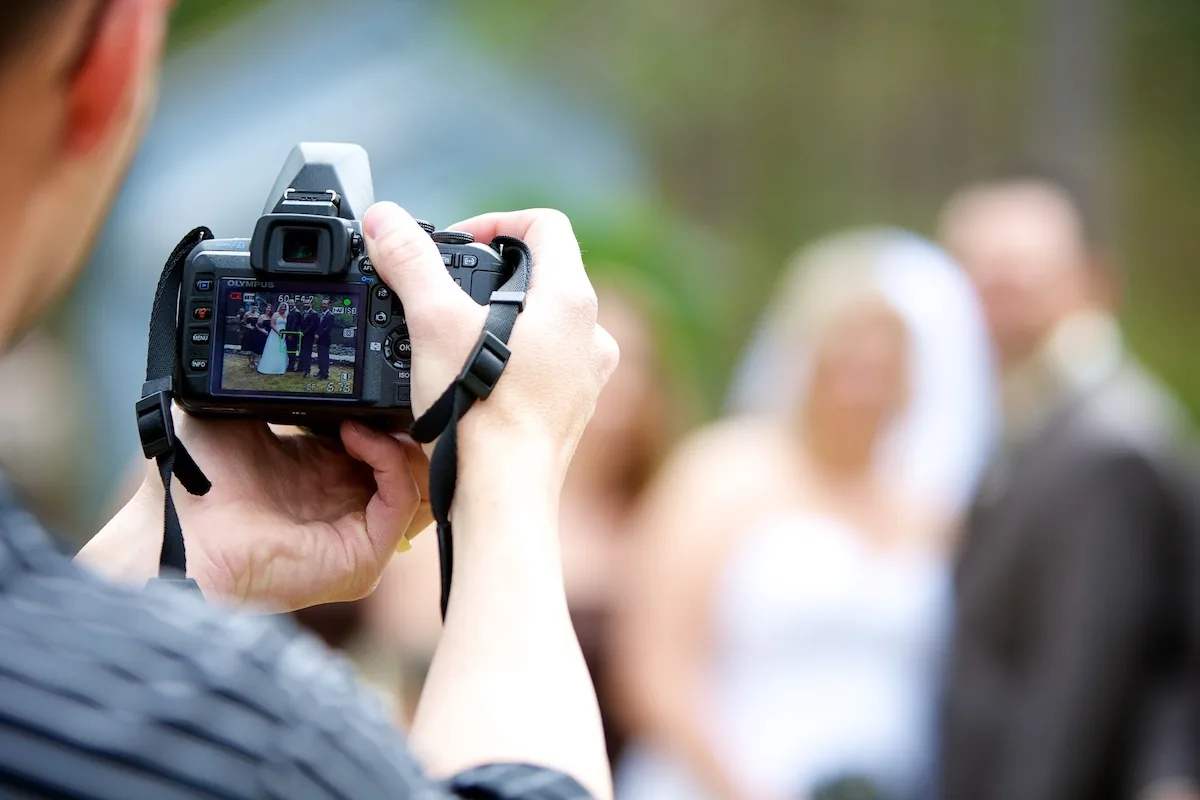
A wedding photographer's job is to see everything happening at once — including the things you can't see because you're in the middle of them.
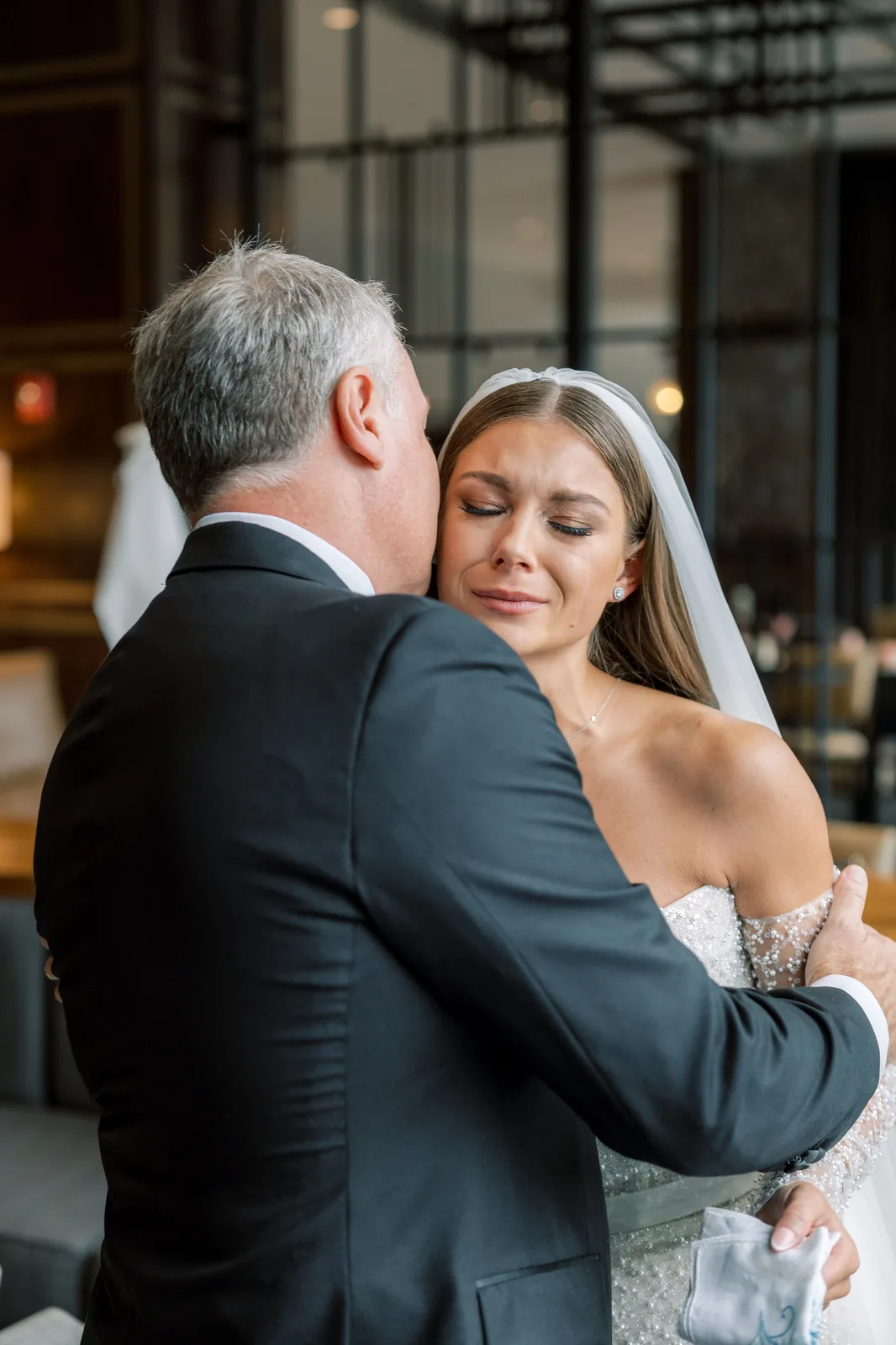
Frames couples always tell us they didn't know were there:
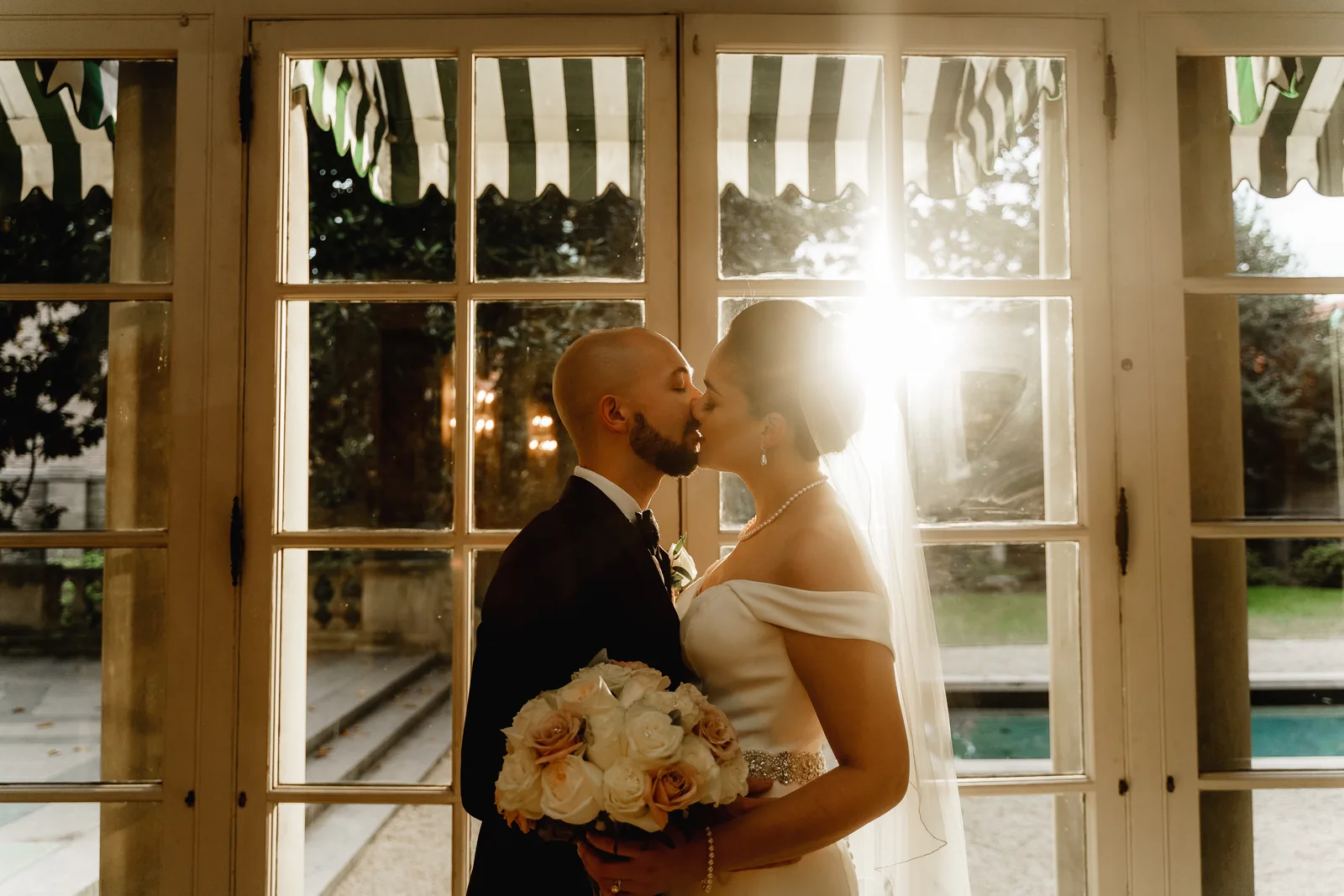
- Their partner's face during the vows (they were looking at the officiant)
- Parents reacting during the ceremony
- Guest reactions at specific moments
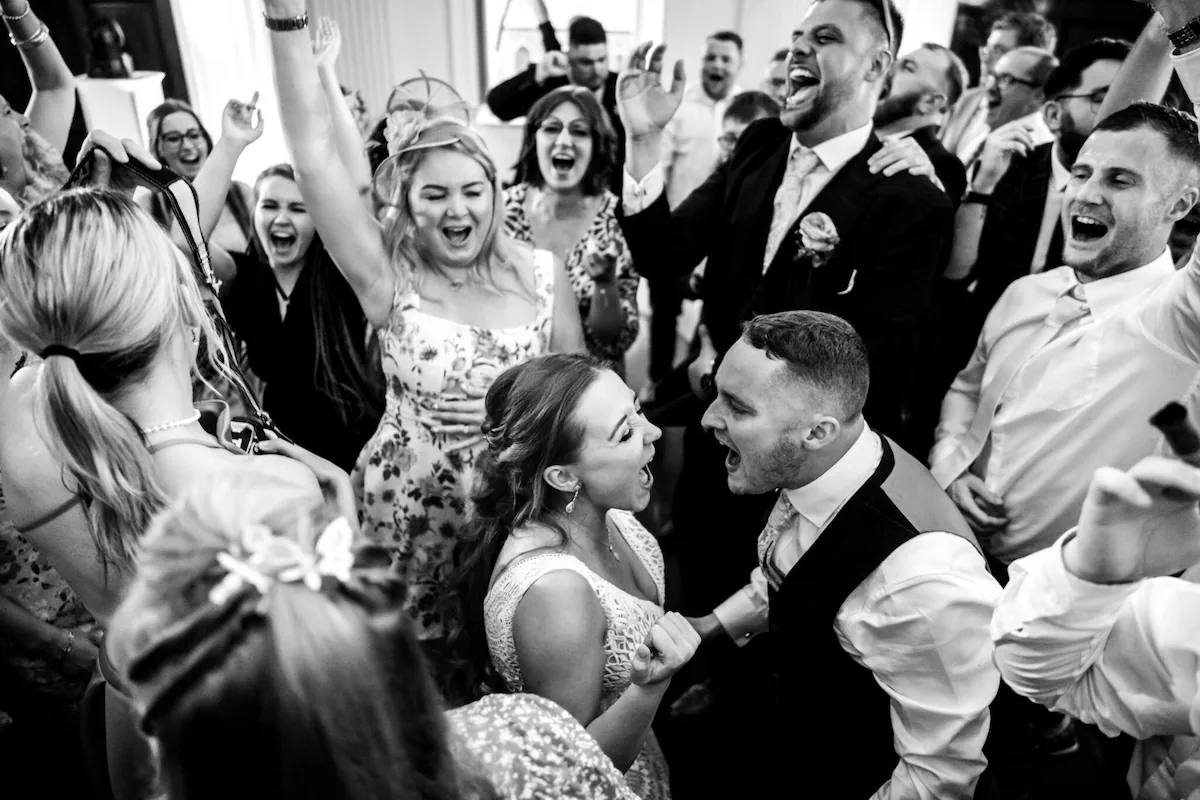
- Friends laughing together during cocktail hour
- The venue looking different than they remember
These are the photos couples print. Not the posed portraits — the ones they didn't know were happening.
What videography adds that photos can't
Photography captures a moment. Video captures the thing itself.
Specifically:
- Your vows in your own voice, said to each other, preserved exactly
- Your parents' toasts, not summarized but word for word
- The sound of the room at the first dance, at the ceremony, during the send-off
- Movement — the walk down the aisle, the dress moving, laughter in motion
Videography is the vendor couples most often skip and most often regret. The short film we deliver is one of the things couples rewatch annually on anniversaries — far more than they scroll the photo gallery.
How to actually stay present
Planning the day isn't enough; you have to plan the breathing room.
Build buffer time. 15 minutes between each segment of the day. Getting-ready finishes 30 minutes before first look. First look finishes 20 minutes before ceremony lineup. Family photos finish 15 minutes before cocktail hour ends.
Delegate in advance. One family member is the wrangler for family photos. Your planner (or an assigned friend) handles vendor questions. You shouldn't be solving problems on your wedding day.
Plan pause points. Two deliberate moments of stillness. A first look with a parent. Five minutes alone with your partner after the ceremony, away from guests. The quiet moment before you enter the reception.
Eat something. Lunch before the ceremony, snacks between segments, actual dinner at the reception. Low blood sugar makes everything feel worse and reads in your face.
The details you chose will still matter
You spent months choosing the dress, the colors, the flowers, the music. On the day itself, you'll barely see them. You'll be too busy being in them.
Photography is what gives those details back. The fabric of the dress. The architecture of the flowers. How the venue looked right before guests arrived. These are documented so that two years later you can look and say "that's exactly what I pictured."
If you don't document them, they soften into a general impression of pretty. That's the part you can't get back.
The role of a calm team
A wedding photography and videography team affects the day in two ways:
- What they capture — obvious, discussed throughout this post
- How they capture it — less obvious, more important
A team that moves loudly, directs every moment, and interrupts the flow of the day pulls you out of it. A team that moves quietly, anticipates moments, and preserves your experience is almost invisible.
The second kind is what you want. Ask your photographer directly: "How do you stay out of the way?" The answer tells you a lot.
What you'll find in the gallery
Years from now, you'll go back to the photos and film and see things differently.
You'll pause on an image you scrolled past the first time. You'll notice the way your grandmother was looking at you. You'll hear your dad's voice in the toast video and realize you weren't fully listening when it happened.
The day happens once. The recording of it matters for the rest of your life. That's why it's worth getting right.
Frequently asked questions
Hold onto what matters most
Plan the breathing room. Hire the team that captures what you'll miss. And on the day itself, let everything else go. Start a conversation here if you want help planning yours.
Planning your wedding?
Get a personalized quote from our team