How Wedding Films Are Changing in the USA
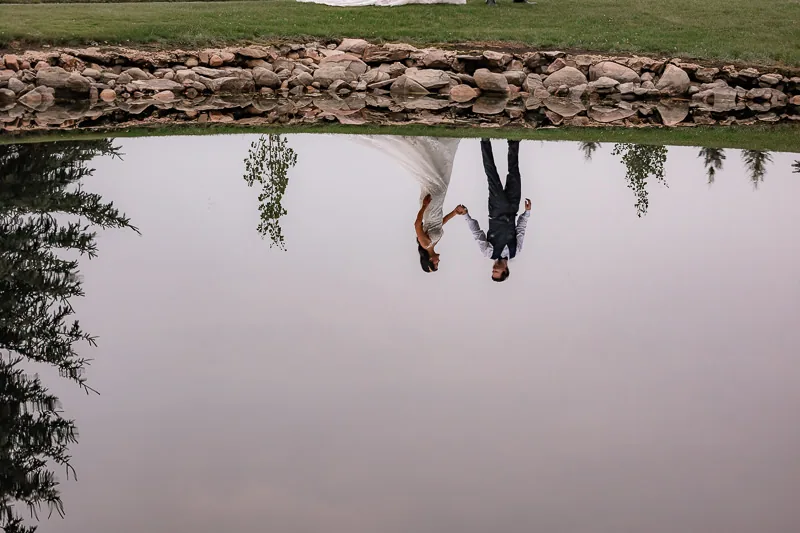
Wedding videography in 2026 barely resembles what it was a decade ago. The old formula — long ceremony recording, a few speeches, basic cuts — reads as dated now. The new formula is cinematic, shorter, audio-rich, and designed for repeat viewing.
Here's what's actually changed, why it matters for your wedding, and how to plan for the new format.
Quick answer
Modern wedding films are shorter, more cinematic, audio-rich, and coordinated with the photography team. Most US couples in 2026 book a 3–5 minute highlight film for sharing plus a 15–30 minute feature film for the full story. Traditional 60-minute edits are largely out. Cinematic quality is now the default. The best films come from studios where video and photo teams are one creative unit.
From documentation to storytelling
The biggest structural change: wedding films are no longer chronological recordings. They're curated narratives with:
- Emotional pacing — not event-by-event timing
- Meaningful transitions — built around feelings, not cuts between events
- Audio layering — vows, speeches, laughter woven into the footage
- Visual continuity — consistent tone from start to finish
The result feels like a short film about a couple, not a tape of a wedding. Couples are choosing storytelling because it's what they actually re-watch.
Shorter, more impactful films
Attention spans changed, and wedding films followed. The current format:
- Highlight film (3–5 minutes). The primary deliverable. Built for social sharing and repeat viewing.
- Feature film (15–30 minutes). The full story. Watched on anniversaries and family visits.
- Full ceremony recording (as-filmed). Separate from the edited films. For reference and family members who weren't there.
Traditional 60-minute edits with raw speeches are still offered by some studios, but they're not what couples ask for first. Short + impactful wins.
Cinematic quality is the baseline
Five years ago, "cinematic" was a premium tier. In 2026 it's the default. Couples now expect:
- High-definition footage (4K common, 6K and 8K rising)
- Smooth camera movement (gimbals, sliders, drones where legal)
- Thoughtful composition on every shot
- Professional color grading
- Clean, balanced audio
Studios that still shoot handheld with on-camera audio produce work that looks dated within a year. Technology matters less than creative execution, but both matter.
Authentic audio takes center stage
This is the shift that surprises most couples. Wedding films now live as much on the ears as on the eyes.
Modern wedding films include:
- Vows in the couple's own voice (not just shown, heard)
- Speech highlights from family and friends
- Laughter and candid dialogue woven into the edit
- Ambient sound from the venue — music, wind, applause
To make this work, videographers now plan audio carefully:
- Mic the officiant for the ceremony audio
- Mic both partners during the vows
- Record speeches directly from the DJ or a dedicated recorder
- Capture ambient sound as its own track
Hearing your own voice say "I do" five years later hits harder than any visual. Audio is not optional.
Photo and video work together now
The era of two separate studios competing for angles is ending. Couples expect coordinated coverage:
- Shared creative direction between photo and video
- Coordinated timelines so both teams know the shot list
- Non-intrusive coverage — neither team stepping on the other
- Consistent visual style across gallery and film
Booking both from the same studio is the smoothest path. If you book separate teams, insist they meet before the wedding and agree on how they'll share the day.
Personalization is the expectation
Generic wedding films don't work anymore. Couples want editing styles, music, and narrative structure that reflect who they are:
- Music selection. Licensed tracks, songs that matter to the couple, custom scores.
- Editing style. Romantic, editorial, documentary, cinematic.
- Narrative structure. Linear, thematic, emotional arc-driven.
- Visual tone. Warm and intimate, cool and moody, bright and airy.
Communication with the videographer before the day determines how personal the final film feels.
Faster delivery
In 2026 couples expect:
- Sneak peeks within 1–2 weeks
- Highlight film within 30 days
- Feature film + full ceremony within 60–90 days
Some studios still take six months or more. Most couples now consider that a deal-breaker. Fast delivery doesn't mean sacrificing quality — it means having a refined workflow.
What to look for in a 2026 videographer
Before booking, ask:
- Can we see a full wedding film? Not just a reel — the 15-minute feature edit.
- How do you handle audio? Specifically, vows and speeches.
- What's your turnaround time? In writing.
- Do you coordinate with the photographer? And how.
- What's your backup plan? For gear failure and illness.
- What music licensing do you use? Generic vs custom vs licensed tracks.
The answers tell you whether the studio is operating in 2026 or still shooting 2016.
FAQ
Book a team built for 2026
We shoot photo and video in-house with one creative direction for both. If you want a film that looks like where wedding videography actually is in 2026 — not where it was ten years ago — start a conversation.
Planning your wedding?
Get a personalized quote from our team