How does Traditional (Classic) Wedding Photography Style look like? ?
Every couple tells us they want candid, documentary, unposed photos. About half of them, six months later, ask why they don't have more formal group shots of the immediate family. Traditional photography is the style everyone publicly rejects and privately wants 40% of the gallery to actually be.
It's the oldest wedding-photography approach for a reason. Directed poses. Every grouping named in advance. Nothing left to chance. It doesn't beat documentary for emotion — but it beats it for coverage-your-mother-will-call-about.
What the style actually is
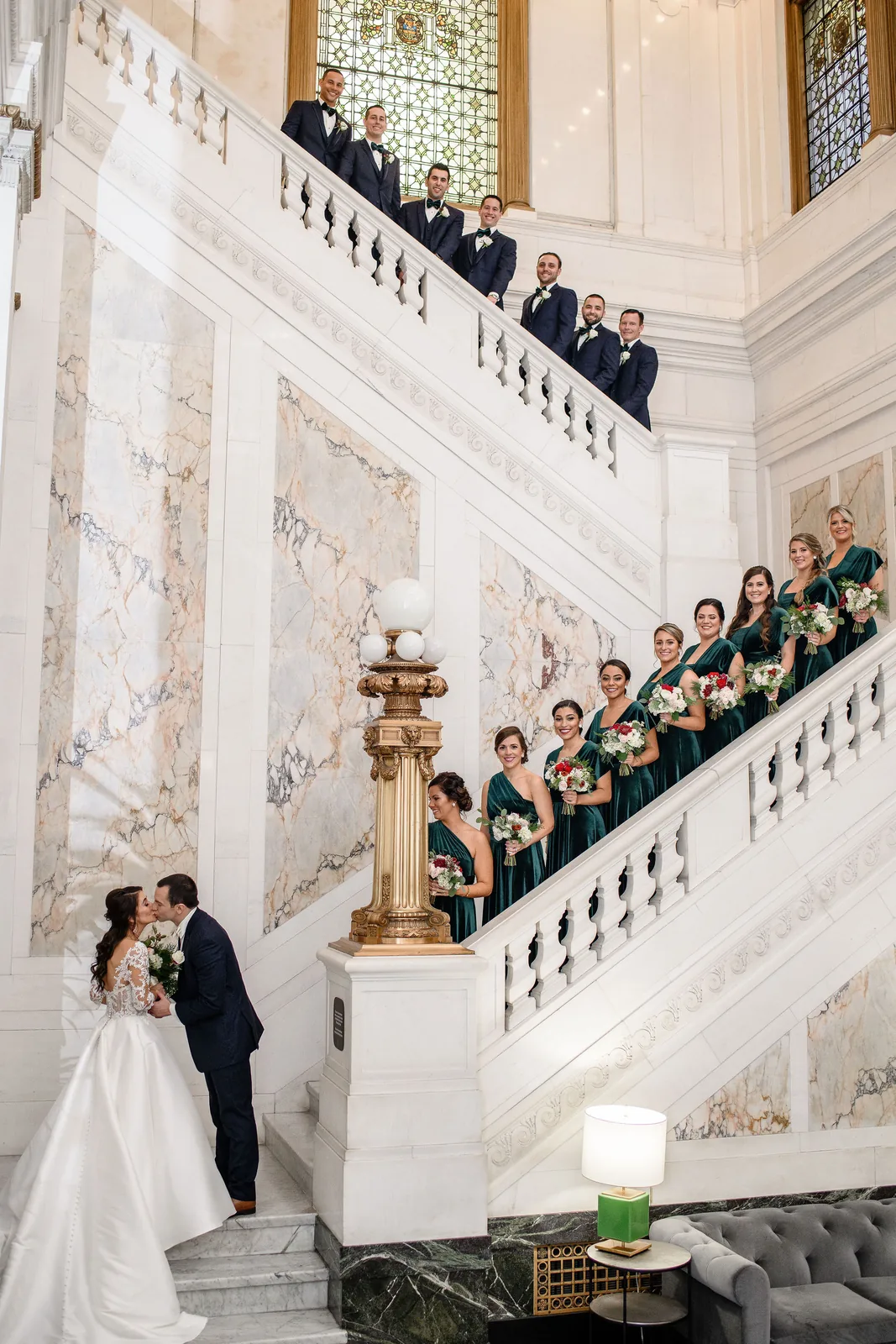
Traditional wedding photography prioritizes staging. The photographer directs. Groupings are pre-listed. Couples pose at marked locations. Light is controlled, usually with flash or a reflector, not just found.
The trade is predictable. You lose the spontaneity of someone caught mid-laugh in a hallway. You gain the group portrait of your grandfather with his three children and seven grandchildren that exists in exactly one complete form ever.
Where traditional actually wins
Three places. The first is family groupings — especially multigenerational ones. Grandparents don't stand around waiting for candid moments; they need to be placed, photographed, and released in a fixed window. A directed traditional approach gets this done in 20 minutes without anyone losing patience.
The second is the ceremony itself if you're doing the pre-staged processional, the lit altar, the post-ceremony recessional under identical conditions. Traditional style honors formal ceremonies; documentary style treats them like accidents to observe.
The third is print. Traditional compositions were designed for wall display. The bride framed centrally. The wedding party in symmetrical rows. These aren't trends — they're what 11x14 prints above fireplaces want, and what most couples eventually end up ordering.
Where it loses
Reception dance floor. Speeches. The first-look reaction nobody posed for. The flower girl falling asleep on the cake table. Traditional coverage will miss this or photograph it badly, because directing a candid moment kills it.
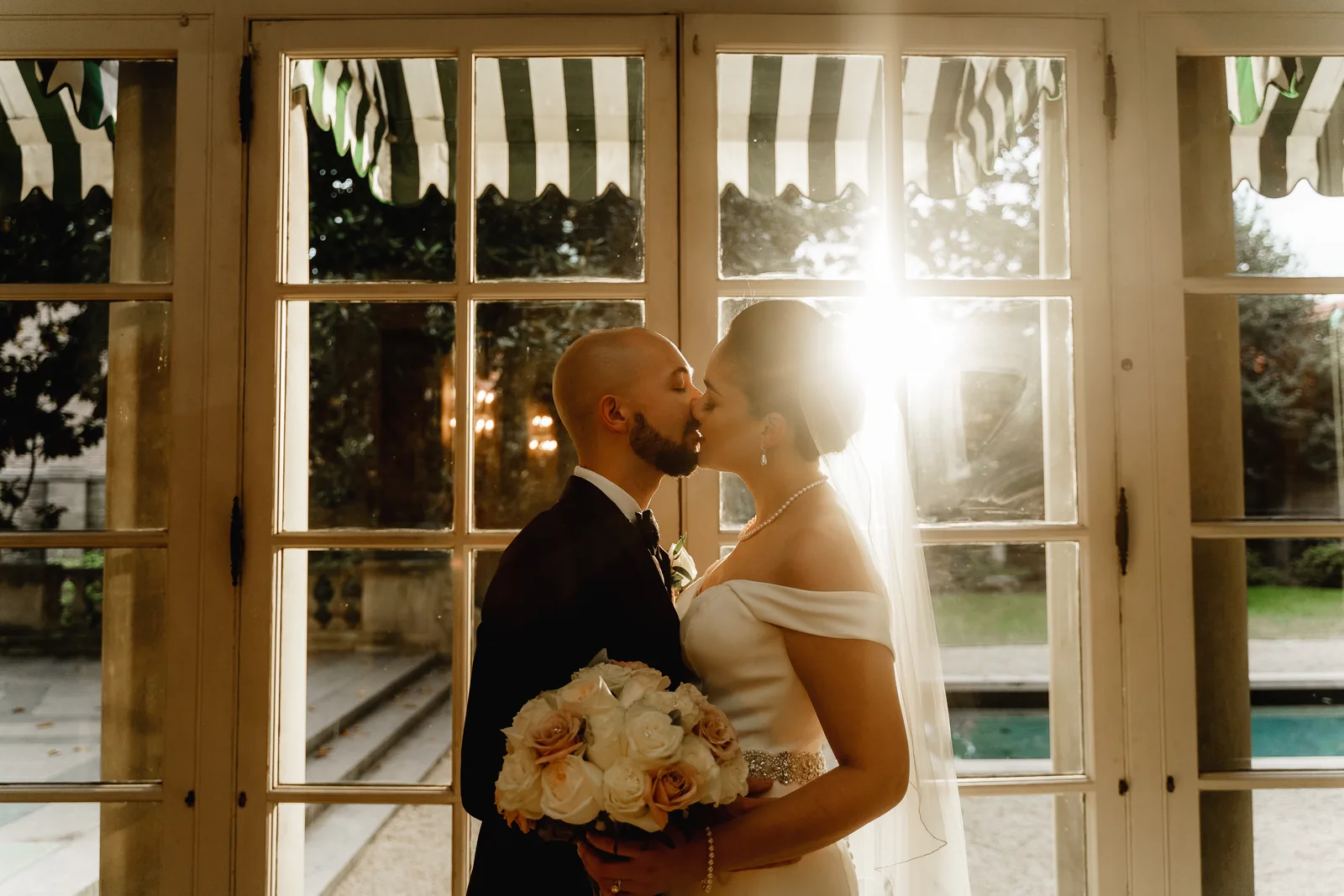
Wherever the center of the light source is, you want that to be a little bit above the center of the couple's eyes — something magical happens when you do this.
This is a traditional-style instruction. It requires knowing where the light is, positioning the couple relative to it, and asking them to adjust. Documentary shooters find the light. Traditional shooters make the light.
The shot list — bring one
Traditional photography requires a shot list. Don't wing it. Our recommended structure:
- Immediate family combinations — bride's side, groom's side, combined
- Parents with couple — each parent individually plus combined
- Grandparents with couple — if living, these are the photos people call about years later
- Wedding party — bridesmaids alone, groomsmen alone, full party
- Couple alone — portraits before first look (if doing one) and after ceremony
- Siblings of each partner — often missed if not specifically listed
Cap the total at 15 groupings. More than that and you lose the cocktail hour. Fewer than 10 and you miss someone important.
Should you choose traditional?
We don't shoot pure traditional anymore — almost nobody does. What we shoot for couples who want this style is traditional + documentary blended, with the traditional work done efficiently in a 30-minute family portrait block and the rest of the day photographed documentary. You get the framed-over-the-fireplace shot and the candid dance floor moment. Not one at the cost of the other.
Our classic full-day galleries
These are recent weddings we shot in a traditional-forward style, if you want to see what the approach actually produces across a full day:
Traditional isn't out of style. It's been mislabeled as conservative when it's actually just directed. And directed photography — done well — ages better than almost anything trendier.
Planning your wedding?
Get a personalized quote from our team