The Ultimate 2022 Wedding Photography Trend | An art(ery) surgery on the philosophy of aesthetics.
There's a strange pattern in how we see beauty. The thing we called perfect two years ago starts to feel dated. The "ideal" image becomes the boring one. What replaces it isn't prettier — it's realer.
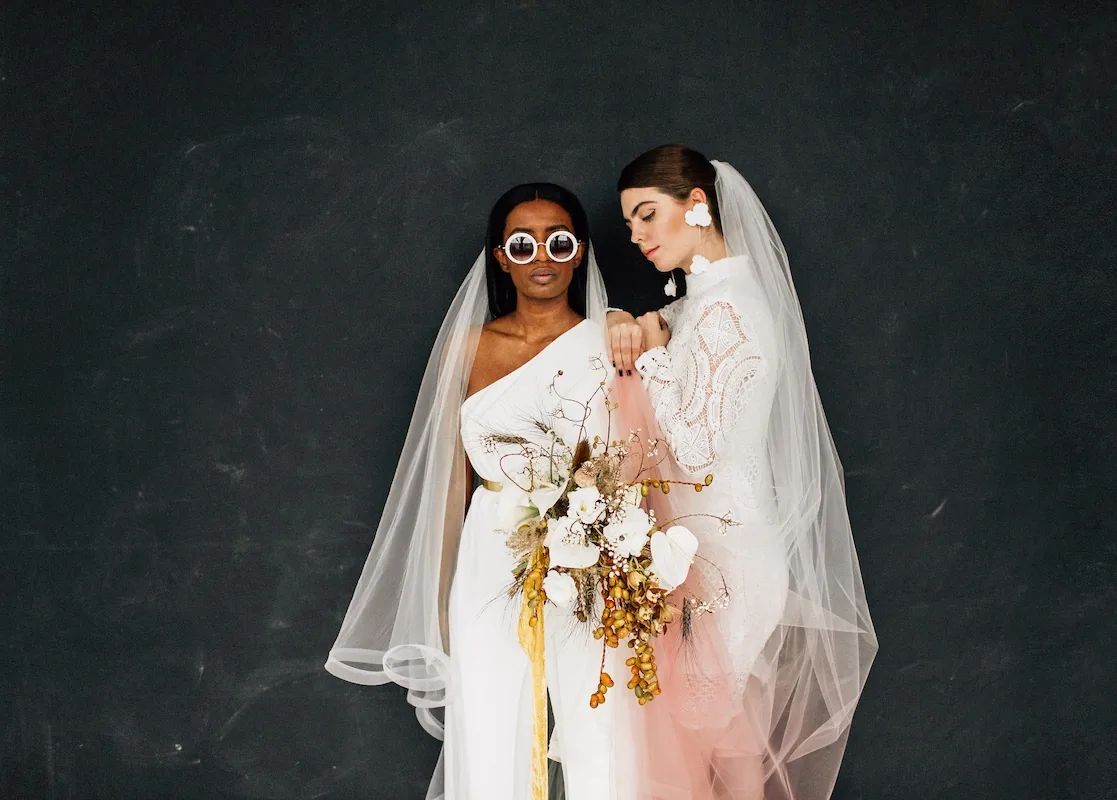
Wedding photography is going through that shift right now. For a decade, "perfect" meant the Pinterest aesthetic — the styled-within-an-inch-of-its-life bridal portrait. Couples are tired of it. They want something that reads as true, even if it's messier.
Here's a short philosophy of where that shift is coming from, and what it means for the work.
Three ways of seeing
There's a useful framework from aesthetics that sorts visual experience into three modes: beauty, perfection, and sublime. Each one shows up in a different kind of wedding photo.
Beauty is subjective pleasure. Hume and Kant both argued this — beauty isn't a quality of the thing itself; it's a quality of how the viewer's mind responds. A frame is beautiful because you, personally, feel pleasure looking at it.
Perfection is rule-following. A classically composed portrait, evenly lit, symmetrical, with no errors. Perfection follows a standard. Anything off-standard is disqualified.
Sublime is something else. It's the quality of greatness — physical, moral, emotional — that exceeds the frame. Edmund Burke described sublime as the mix of fear and attraction. It's not "pretty." It's more than pretty.
What wedding photography used to sell
Perfection, mostly. Evenly lit group shots, every face looking at the camera, every detail staged. The entire wedding industry was built around delivering that.
It worked for a while. Couples wanted a record of their wedding that looked like the wedding photos they'd grown up seeing. The classical formula gave them that, reliably.
The problem with perfection is that it has an expiration date. Trends in "perfect" shift every five years. A gallery shot to last decade's standard of perfection reads as dated in this decade. The aesthetic ages because it was chasing a specific aesthetic to begin with.
Why sublime ages better
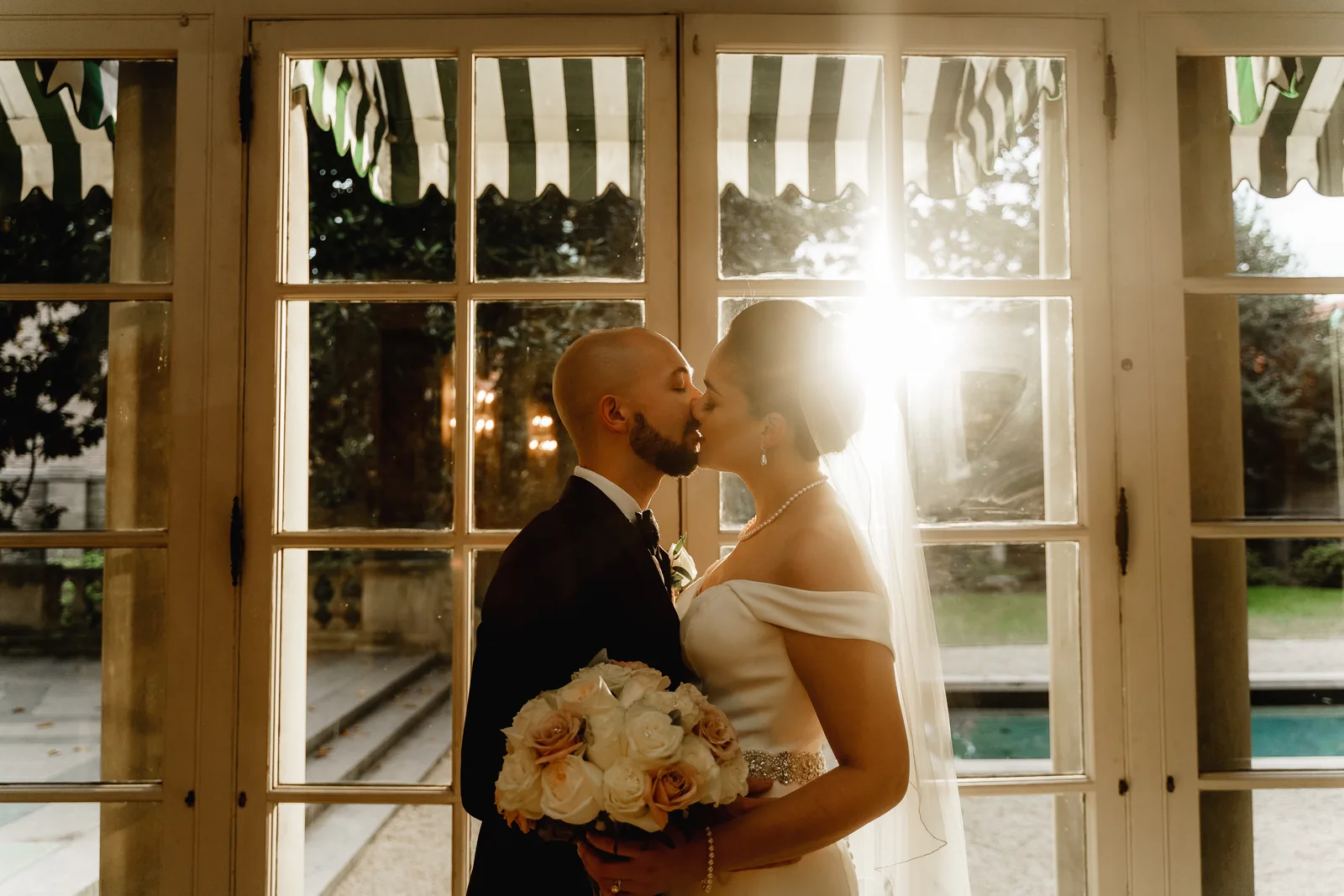
Sublime imagery isn't trying to be pretty. It's trying to transmit a feeling that exceeds the frame. A bride crying during her vows, caught in a shaft of warm afternoon light, against a blurry room — that's sublime. It doesn't follow a formula. It doesn't date.
The frame might technically be imperfect. The focus could be slightly off. The composition could break rules. None of that matters because the frame is doing something rules can't do — it's carrying emotional weight.
Sublime doesn't require perfection. Sublime requires meaningfulness.
What this means in practice
The shift in wedding photography is toward sublime, and away from perfection. Couples are asking for:
- Frames that transmit emotion over frames that check boxes
- Fewer staged group portraits, more candid coverage
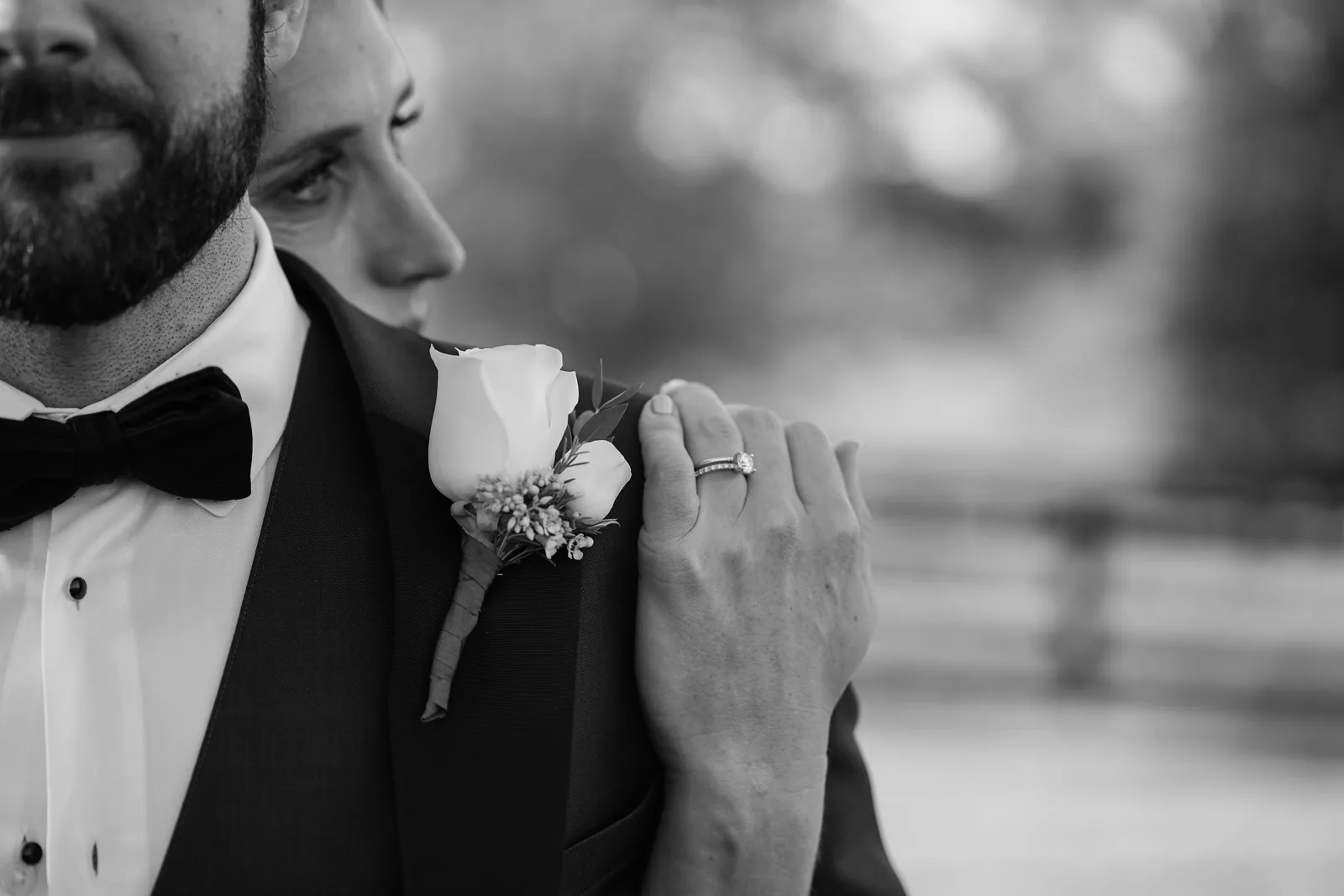
- Editing that preserves skin and texture instead of smoothing it out
- A gallery that reads as a body of work rather than as a checklist
The "perfect" bride — airbrushed, re-lit, retouched within an inch of her life — is going out of style. The real bride, with the real tear on her cheek in the real light of the real room, is becoming the standard.
What we shoot for
We're not chasing perfection. We're chasing frames that carry weight past the moment they document.
That shift has a side effect worth noting: it's harder. Perfection has a formula you can follow. Sublime doesn't. It asks the photographer to see differently, hold longer, and cut more ruthlessly in the edit.
The working principle
Stop chasing perfect. Start chasing meaningful. The gallery that moves you at year one moves you harder at year twenty — because the weight was always in the feeling, not in the polish.
Forget perfection. Stay real.
Planning your wedding?
Get a personalized quote from our team