Summer Wedding Planning: Mastering Light, Heat, and Golden-Hour Photography
Summer offers wedding photographers and couples a rare alignment: long daylight hours, rich golden light, outdoor settings that do half the design work, and guest comfort that matters as much as aesthetics. But summer weddings separate into two camps—those that unfold as effortless celebrations and those that devolve into heat management exercises by 5 PM. The difference isn't luck. It's planning that accounts for both light and logistics.
The light advantage summer offers
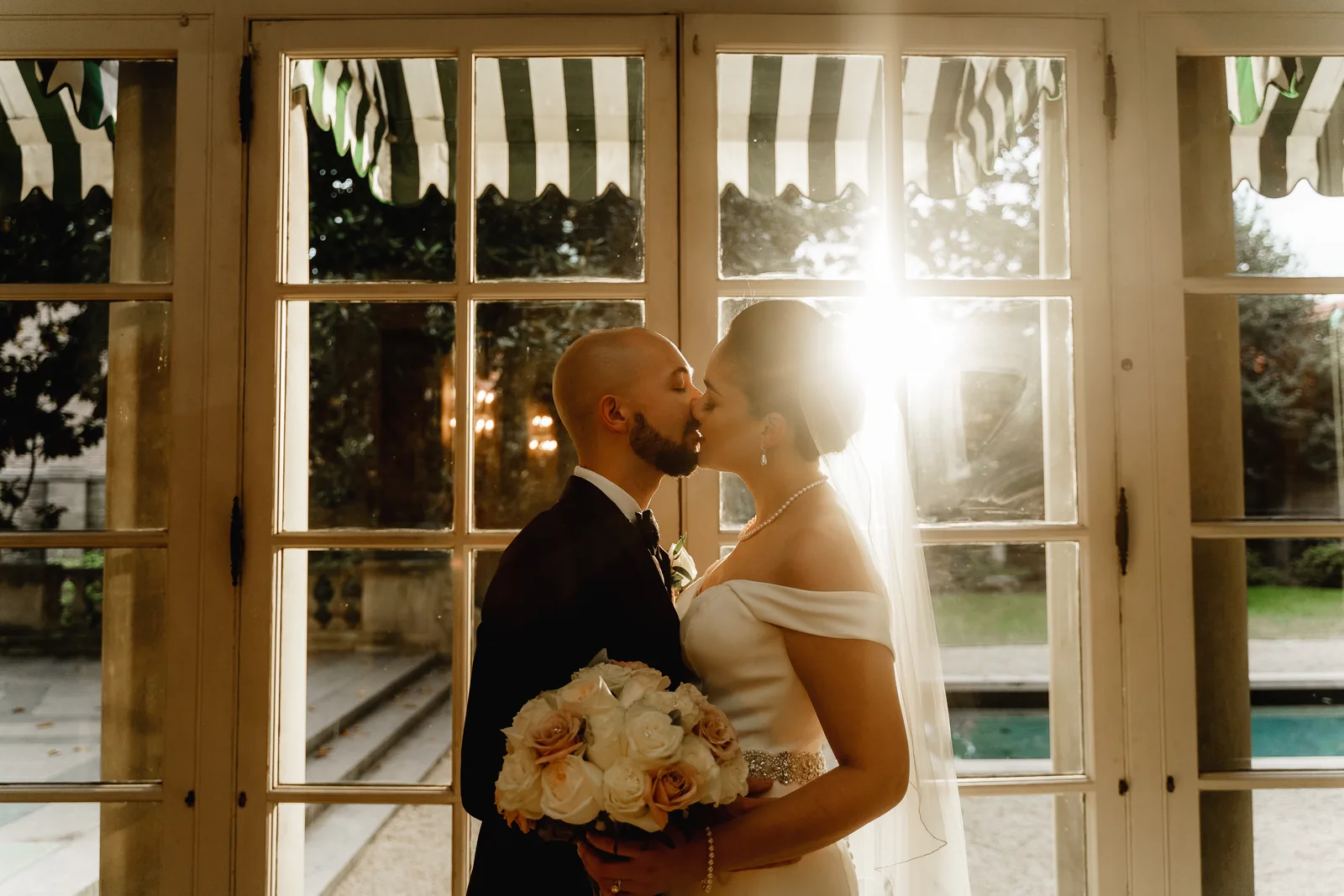
Summer light doesn't just photograph well—it transforms what's possible. The sun rises by 5:30 AM and doesn't set until 8:30+ PM, extending the photographic window far beyond spring or fall. More importantly, golden hour—that narrow band of warm, diffused light just before sunset—arrives around 7:30–8:30 PM in most regions, landing after your ceremony and cocktail hour rather than competing with them.
For couples targeting outdoor portraits, this timing is built-in advantage. You hold ceremony at 4 PM. Guests cocktail through 6:30. You step away for 30 minutes of portraits in light that would be unavailable any other season. Your photos glow. Your timeline flows. This doesn't happen by accident.
Daytime light from 11 AM to 3 PM creates overhead shadows, squinting, and unflattering contrast—exactly when you'd rather be outdoors enjoying the day. Summer ceremonies scheduled for this window leave photographers fighting light rather than using it. A 4 PM start shifts the entire day forward, moving outdoor sequences into hours with directional light and depth.
Heat: logistics that equal design
Heat isn't atmospheric flavor—it's a planning variable. Guests remember comfortable weddings. They remember uncomfortable ones differently.
Ceremony timing and location: A 2 PM ceremony under trees, under a tent, or indoors before moving to cocktail hour costs nothing and prevents the hard decision guests face: sit in direct sun in formal attire or skip the ceremony. A late afternoon timing that shifts the warmest hours into the reception (after sunset, with AC or air) keeps ceremony moments present rather than survived.
Hydration and relief stations: A welcome table with ice water, lemonade, or cucumber-infused water positioned near ceremony and cocktail areas costs dollars and gets mentioned. Handheld fans, parasols, or programs designed as fans all register as thoughtfulness and comfort.
Shade infrastructure: Mature trees create natural shade. Tents with open sides provide relief without boxing guests in. Buildings with covered outdoor spaces—porticos, loggias—offer photogenic shelter. Count your venue's shade assets early; they change the day.
Reception transition: An indoor or air-conditioned space for dinner creates the psychological shift from outdoor event to celebration. Even a 5–10 degree temperature drop registers as relief.
These details aren't add-ons. They're the difference between a summer wedding that flows and one that exhausts.
Florals that peak in summer
Summer is the only season where most wedding flowers are simultaneously at peak bloom, in high supply, and reasonably priced. June brings early peonies and first garden roses. July and August sustain garden roses, dahlias, hydrangeas, lisianthus, lavender, and sunflowers. Seasonal palettes feel abundant because they are.
Working with peak-season flowers creates arrangements that feel grown rather than assembled. Loose, unstructured designs—the kind that photograph with depth and movement—work best in summer because you're not fighting to make sparse imports look full. Color saturation is higher. Stems are stronger. Vases need changing less often.
In photos, summer florals read distinctly: ivory and blush glow without competition; terracotta and coral pop against green and blue; deep plums and sage greens hold richness that they don't achieve in winter light. Your florist will use 20% fewer stems and your bill will reflect it.
Photography principles for summer light
Avoiding harsh midday windows: If your timeline requires outdoor moments between 11 AM and 3 PM, open shade becomes your technical tool. Shade from mature trees, building overhangs, or tent structures softens overhead sun into even, directional light. We communicate this need during timeline planning, not discovered on the morning of.
Golden hour as a protected window: Your timeline should block 30 minutes for outdoor portraits during the hour before sunset. This isn't optional—it's built-in. Most guests don't notice couples step away; they do notice the light quality in the photos.
Reception lighting after sunset: String lights, uplighting, and candles transform a reception venue at night. We coordinate with your lighting vendor (or work with existing ambient light) to ensure the space photographs well as daylight fades. Warm, layered lighting beats flat overhead light every time.
Seasonal considerations by region
In the DC and Mid-Atlantic, summer heat peaks earlier and stays longer. June ceremonies can catch 85–90 degree afternoons. Shade and indoor ceremony backup matter here.
NYC and Northeast summers stay cooler, arriving later and leaving faster. Peak wedding season (June–August) books 18 months out. A 4 PM ceremony here feels perfect.
Seattle summers are mild and dry. Evening light is soft. Outdoor timelines work beautifully with no heat logistics.
Texas and Florida heat demands serious planning. Indoor ceremony, outdoor cocktail hour in shade, thoroughly air-conditioned reception. The tradeoff: nobody faces the sun during vows.
For South Asian weddings, summer multi-day ceremonies with outdoor components need shade for extended timelines and backup plans for weather.
Building a summer timeline that works
Your run-of-day should account for:
- Getting-ready pacing: A slightly earlier start (9 AM instead of 10 AM) gives everyone a calmer pace before heat builds.
- Ceremony coolness: Shaded or indoor ceremony prevents guest discomfort during vows.
- Golden-hour protected window: Built into the timeline as non-negotiable, usually 7 PM–7:45 PM.
- Reception transition: Clear handoff from outdoor cocktail to indoor dinner, or a naturally cool reception space.
- Late-evening flexibility: Summer daylight means guests often stay past 11 PM. Your timeline shouldn't force departures.
We build and refine timelines during the planning phase, accounting for your venue's specific layout, vendor schedules, and what matters most to you. See our White Glove concierge service to understand how timeline planning works.
Frequently asked questions
Start your summer wedding planning
Summer light and timing combine to create weddings where everything feels present. If you're planning a summer celebration and want photography that captures the ease and beauty the season offers, let's talk about your vision and venue. Get in touch and we'll map out a timeline built around light, comfort, and what matters to you.
You might also explore our full-day coverage packages and how concierge coordination keeps the day moving smoothly. See recent summer weddings in our portfolio for DC, New York, Seattle, and Florida regions.
Planning your wedding?
Get a personalized quote from our team