Candid Wedding Photography: Real Moments Matter
The best photos from your wedding probably weren't on anyone's shot list.
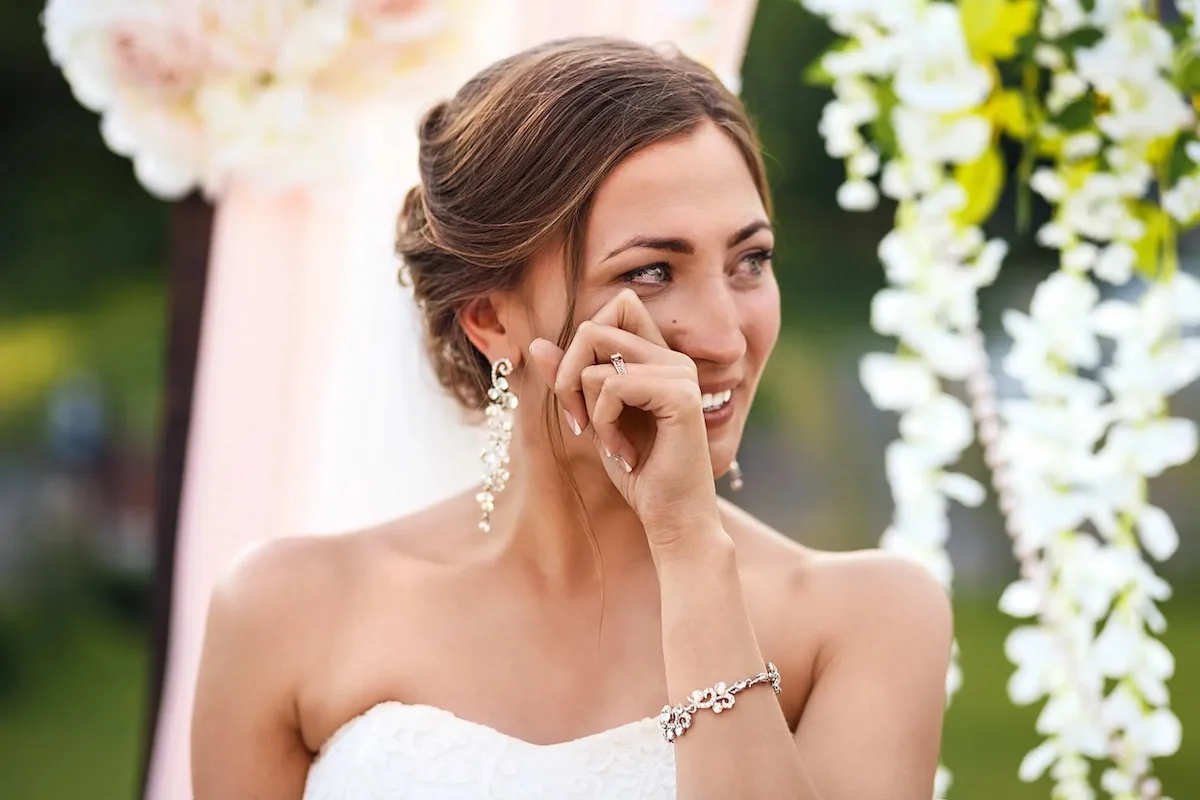
The bride laughing at a vow she didn't see coming. The grandfather wiping his eyes during the first dance. The flower girl asleep under the escort-card table. These are the images couples print. They're also the ones that require the most skill to capture — because they only happen once, for about half a second, and you have to already be in the right place.
That's candid wedding photography. Here's what it actually is, how it works, and how to know if it's the right fit for your day.
Quick answer
Candid wedding photography is a documentary-first approach where the photographer observes rather than directs — capturing real reactions, unscripted moments, and the day as it actually unfolds. Most modern wedding coverage is 70–80% candid, 20–30% posed (family portraits and couple portraits). It requires experienced photographers with long lenses, quiet shutters, and the instinct to predict moments before they happen.
What candid photography actually is
Candid is a technique, not an accident. An experienced candid photographer is making decisions every few seconds — where to stand, which face to watch, whether to move closer or step back, whether the light is good enough to raise the camera at all.
The goal is that you don't notice us. By the middle of the ceremony, we want to have disappeared into the background of the room. That's not about being invisible — it's about being predictable enough that you stop thinking about us.
Where candid shots come from
Most of the best candid frames come from one of five windows:
- The last 10 minutes before the ceremony — the couple is alone, family is getting seated, everything quiet and tense.
- The couple walking together after the ceremony — they've just been pronounced married, nobody's talking to them yet, and the relief is visible.
- During speeches — especially watching the couple's faces, not the person speaking.
- The first 20 minutes of dancing — before people get self-conscious.
- The transitions nobody plans — walking between venues, waiting in a hallway, the couple eating dinner while they think nobody's looking.
If you want candid-heavy coverage, build your timeline to leave these windows breathing room. A schedule packed with back-to-back scheduled events produces almost no candid photos. Space matters.
Candid vs. posed: the real split
Most couples assume "candid" means no posing at all. In practice, almost every wedding needs:
- Family portraits (scheduled, directed, efficient — 30 minutes)
- Couple portraits (semi-directed, but mostly walking and talking — 60–90 minutes)
- Detail shots (dress, rings, invitation — 20 minutes)
Everything else is candid. So on a 10-hour wedding, you get maybe 90 minutes of directed work and 8+ hours of observing. Both are part of the job; both matter.
What to look for in a candid photographer
Not every wedding photographer is a candid photographer. Four signals when you're reviewing portfolios:
- Check the speech photos. Are they watching the audience's reactions, or just the person at the microphone? The first is candid; the second is standard coverage.
- Look at the reception floor. Are there tight, lens-compressed shots of dancing, or only wide safe ones? Candid photographers work closer.
- Ask about gear. Long primes (85mm, 135mm) and silent mirrorless bodies are candid-first choices.
- Ask about direction during ceremonies. A candid photographer doesn't ask you to redo the first kiss. We caught it or we didn't.
Where candid coverage underperforms
Candid isn't the right fit for every couple. It struggles when:
- The couple wants a lot of editorial, styled portraits of themselves.
- There's a strict shot list of 30+ specific must-have poses.
- Family dynamics require scripted, carefully orchestrated group photos.
- The wedding is in a dim venue without usable candid light.
In those cases you want a photographer comfortable with traditional direction, or a team of two where one person runs candid and the other runs posed. That's a coverage conversation to have before you book, not two weeks before the wedding.
FAQ
If you want photos that look like your actual wedding and not like a Pinterest board — start a conversation.
Planning your wedding?
Get a personalized quote from our team