10 Reasons to fall in love with Black & White Wedding Photography
Why we keep reaching for the monochrome frame
Wedding photography is a record of a day, but the photos couples frame twenty years later are almost never the ones that look most like the day. They're the ones with the cleanest emotion. That's black and white's job — stripping out distraction until only the feeling is left.
We asked ten photographers and editors on our team why they reach for it. Their answers below. No party line, just what each of them actually said.
1. Roman — Lead Photographer, DC
Black and white wakes up your imagination. What shade was the sky. What color the bride's eyes. How deep the night was. The viewer fills in the gaps, and that's what makes it a story instead of a record. A color photograph tells you what it looked like; a monochrome one makes you ask.
2. Marina — Lead Photographer, Seattle
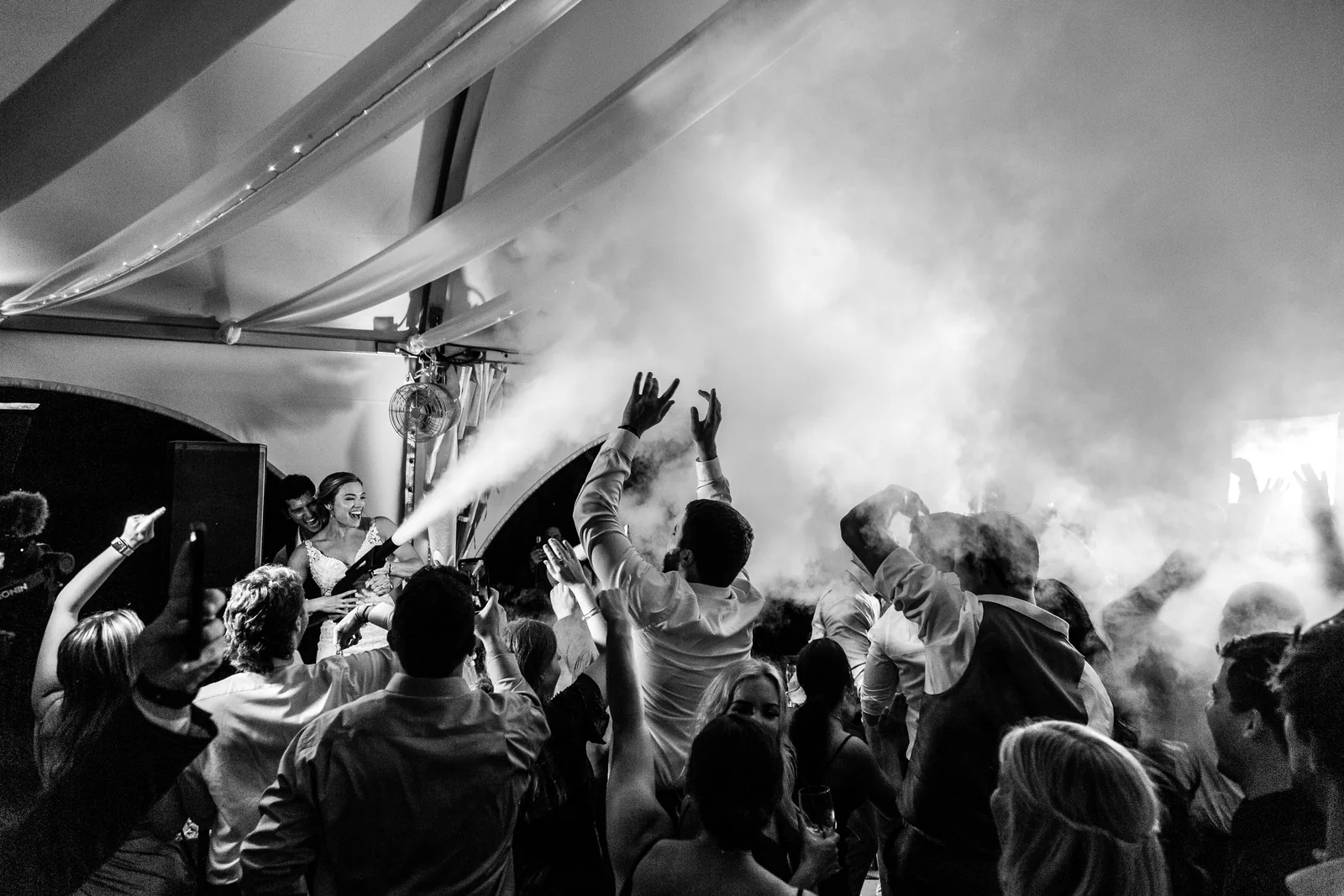
I reach for B&W when I need to emphasize a single thing — emotion, geometry, a shift in direction. Color footage doesn't always isolate those. Monochrome does. Sometimes I want hard contrast to hold a line or a movement, sometimes I soften everything so the emotion reads louder than the frame. Same tool, opposite intentions, depending on what the moment needs.
3. David — Lead Photographer, Baltimore
Monochrome is the poetry of photography. If you want to understand a photographer's actual taste, look at their black-and-white work. It's where the technique hides and the intention shows. The frame doesn't need to be perfect. It needs to mean something.
4. Eugene — Lead Photographer & Videographer, Seattle & Tacoma
Dramatic. Cinematic. Epic. Mysterious. Intimate. Sublime. I've been saying for three years I want to shoot an entire wedding in black and white from first look to send-off. One of these days a couple is going to let me.
5. Victoria — Lead Photographer, Miami
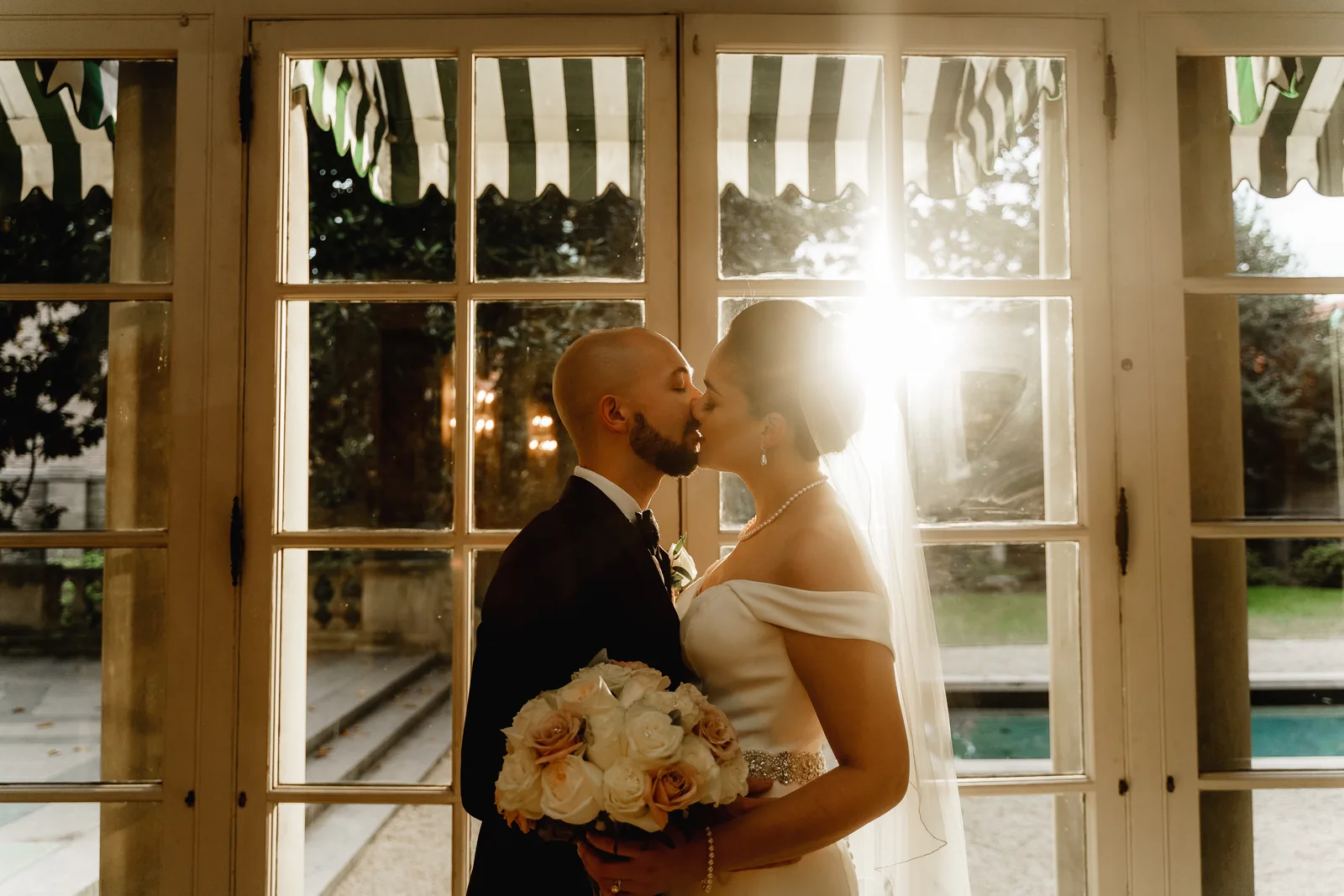
I'm a fan of hard side-light and backlight — the kind most photographers avoid. Black and white loves those. When I see that kind of lighting I already know the frame is going monochrome before I press the shutter. The loss of color pulls you deeper into what's actually in the frame instead of letting the color do the work.
6. Slava — Lead Photographer, Florida
Black and white removes noise. Visual noise from too many colors, unpleasant reflexes on faces, a distracting background. Two reasons I reach for it: the practical one, to clean up a busy frame, and the artistic one, to push a composition until the plot of the photo becomes obvious. The second reason takes years of looking at photographs before you feel it. The first one anyone can learn.
7. Nomi — Associate Photographer, Colorado
Photography was born in black and white. There's something in a monochrome photo of your own story that hits different — it slots into a lineage of pictures going back a century. Hard to describe. Sometimes you just feel that this frame wants to lose color.
8. Antonio — Lead Editor
I'm a big fan of monochrome because it sends me back to the origins of the craft. It's genuinely harder to make a beautiful, expensive-looking black-and-white image than a color one. Converting color to monochrome well is meticulous work — it's not a preset. A good B&W carries a story on one frame; they're often more documentary, more emotional, and land harder than color.
9. Anna — Creative Manager
Black and white is a challenge, but every time I select photos for the blog or social, I can't ignore it. Something unexplainably deep in a monochrome frame. More powerful. More specific. It keeps pulling me back.
10. Maria — Lead Photographer, Savannah
For me it's a compliment to the couple. When I switch to B&W it's my quiet way of saying: you are art itself, and your love inspires me. I only convert the frames I feel that way about. So when a couple opens their gallery and sees a monochrome image, they know — that's a frame I felt something for.
Frequently asked questions
Monochrome is a quiet heritage of memories. Knowing when to lose color is a sign of a photographer's read on a room — and it's usually where the frame we love most hides.
Planning your wedding?
Get a personalized quote from our team