Digital-Only Wedding Photos: Why You Need More Than Files
Most couples finish their wedding with a Dropbox link and call it done. That's fair — modern galleries are beautiful, instant, and shareable in ways printed photos aren't.
But a wedding gallery sitting in a folder is a strange kind of memory. You look at it the week it arrives. You show your mom. Then life keeps moving and eighteen months later the link hasn't been clicked since.
This isn't an argument against digital. It's an argument for one more step.
Quick answer
Digital wedding files are essential — they're how you share, back up, and pass images to family. But they're fragile (cloud subscriptions lapse, formats drift, drives fail) and emotionally distant (you scroll past them instead of sitting with them). A single printed album or a few prints on a wall turns the photos from storage into a presence in your home. Both matter; neither alone is enough.
Digital files are convenient. They're also fragile.
Cloud services change pricing and shut down. Formats go obsolete — try opening a 2005 Picasa backup today. Hard drives have a mean time to failure of 5–8 years. The USB with your gallery on it is one water spill from gone.
None of this is a reason to skip digital. It's a reason not to rely on it as the only copy.
Printed photos change how you use the memory
There's a specific thing a physical album does that a gallery can't:
- It sits on a coffee table where guests pick it up
- It turns weekly family dinners into the "remember when" conversations
- It doesn't require a password, a login, or a device
- It gets handed to grandchildren who wouldn't scroll your Google Drive
Couples we've photographed tell us the same thing years later: the album gets opened more in one holiday weekend than the digital gallery does in a year.
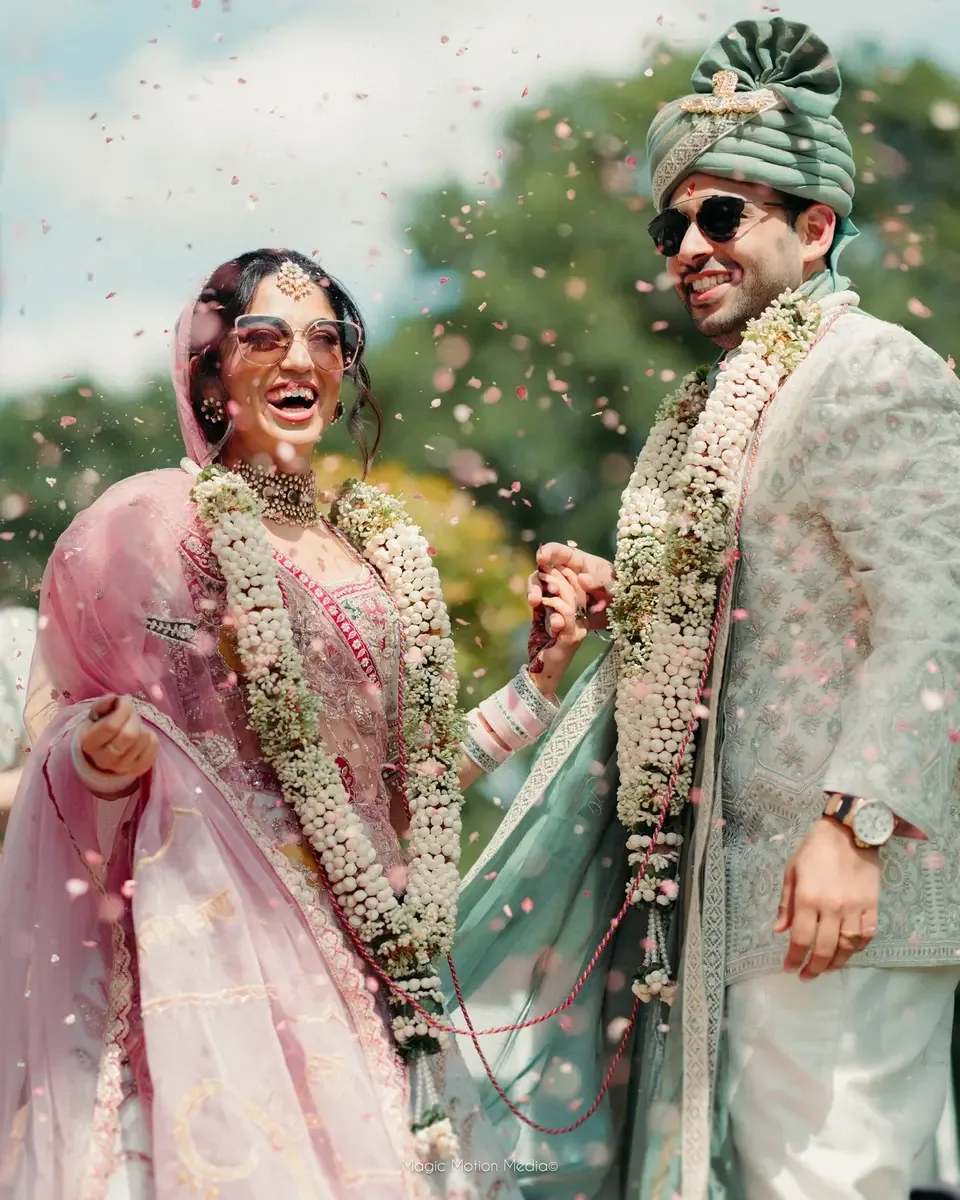
Why albums beat endless scrolling
A digital gallery is a pile. A good album is a story.
When we design an album, we cull 900 images down to 80, order them chronologically, and pair them so spreads feel complete on their own. Morning details, first look, vows, portraits, reception peaks, last dance.
It's the same wedding — but edited. Everything extra is stripped away until only the thing you want to remember is left.
Albums outlive the tech
We've reprinted wedding albums from couples' parents and grandparents — 40-year-old books in leather or linen, still holding up. The digital photos from those eras? Mostly lost. Floppy disks, CD-Rs, first-generation JPEGs from cameras nobody makes anymore.
Printed on archival paper, an album lasts 70–100 years with basic care. That's three generations. It's not a luxury purchase; it's the thing that actually makes the wedding photographs a legacy instead of a subscription.
Digital + print = complete
The right answer isn't either/or. It's:
- Digital gallery for sharing, backing up, printing smaller items over time
- One printed album as the family-room centerpiece
- A few prints on a wall (3–6 images) for daily presence
- Optional second-set albums for parents or grandparents
Couples who plan for both at booking never regret it. Couples who put it off keep putting it off.
How to actually order an album
The pattern that works:
- Within 3 months of delivery — Favorite the 80–100 images you want in the book. Don't overthink it; your gut is right.
- Send the favorites to your photographer — we'll design a draft from them.
- Review the draft — usually one round of edits, sometimes two.
- Approve and print — turnaround is typically 4–6 weeks.
The whole process takes a weekend of attention spread over a month. Not the project couples fear it is.
What we do at Precious Pics
We design albums as part of how we close out a wedding — not an afterthought, not a hard sell. Lay-flat pages, archival paper, leather or linen covers, custom layouts. We cull with you, not for you, because the story should be yours.
If you want to see the difference, most of the couples on our portfolio printed with us after delivery. Ask and we'll show you examples.
Beyond the screen
Digital files capture the wedding. Printed photos give it a place to live — on the coffee table, on the wall, in your hands, in your house.
Pick at least one thing to print. You won't regret the album. You might regret not making one.
Frequently asked questions
Planning your wedding?
Get a personalized quote from our team