Wedding Photography That Captures Love in the Details
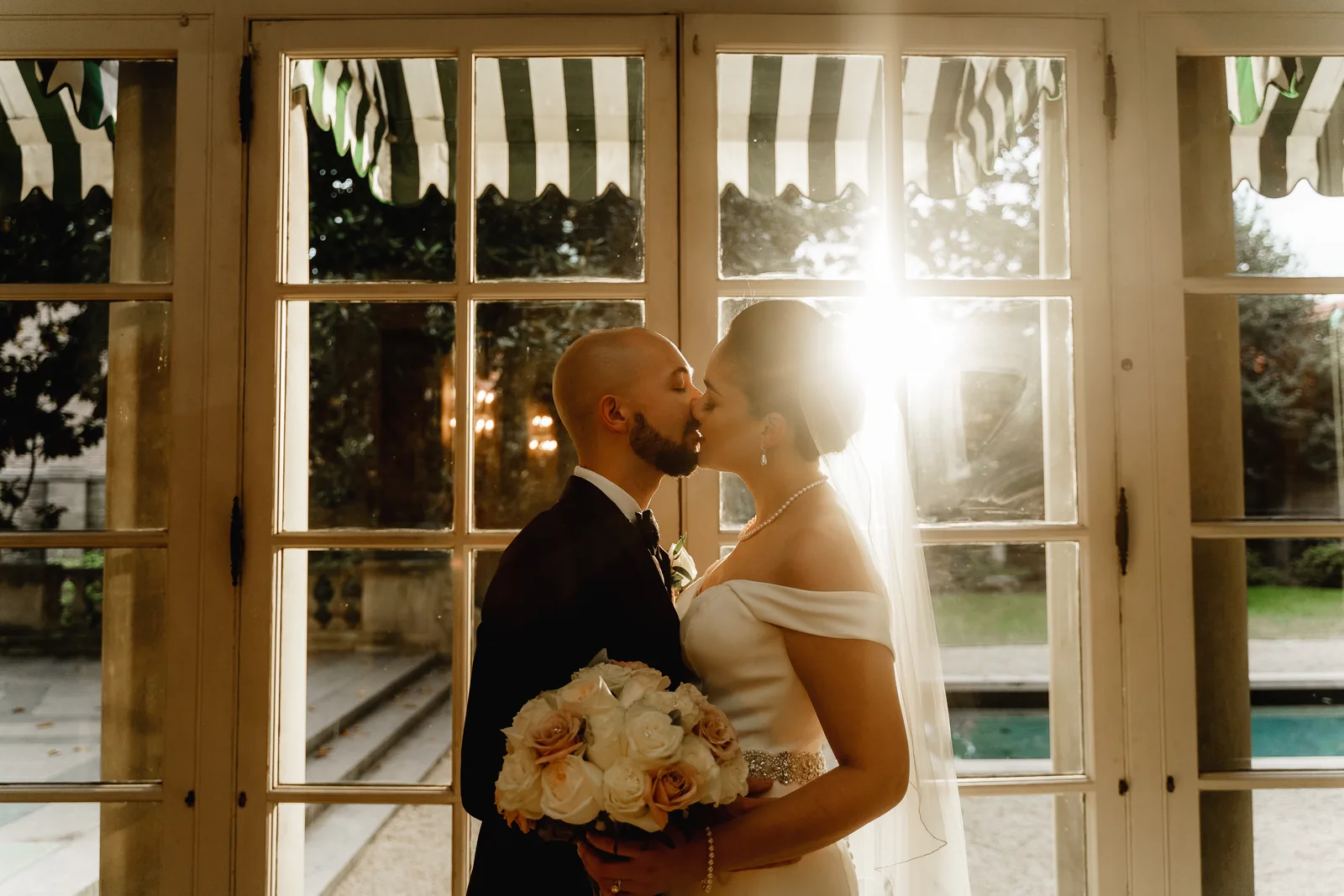
Wedding photographers sell themselves on the big frames. The first kiss. The couple portrait at sunset. The dance floor shot with the light through the smoke. Those photos close the sale.
But ask any couple three years into their marriage which photos from their wedding they look at most. It's not any of those. It's the small ones. The detail of the ring on the dad's hand after the ceremony. The half-eaten slice of cake on a napkin. The grandmother laughing at something the groom said. These photos do something the hero frames don't — they carry memory weight.
The economy of the small frame
Big wedding photos work on impact. They're designed to be immediately striking. They're also the frames that age fastest; they get associated with a specific styling trend, a Pinterest moment, a season.
Detail photos age differently. They don't have the styling weight. They're about relationships, objects, quiet light. The mother-in-law's hand resting on the new daughter-in-law's arm during family portraits. The ring box on a nightstand next to a pair of earrings. An empty ceremony aisle before the guests arrive.
These are the photos couples come back to. Not because they're more technically impressive — often they're less — but because they carry more of the actual day in them.
What we mean by "details"
Not the centerpieces. Not the invitation suite. Those are design details, and they matter, but that's not what I'm talking about.
I mean:
- The hand on the shoulder during getting ready, when the mother of the bride first sees her daughter in the dress
- The groom's shoes next to the bride's, before they're both worn, on a rug that will be rolled up and forgotten
- The breath between the bridal march starting and the bride's first step, where she's alone at the top of the aisle
- The parent of the bride crying during vows, not posed for, not noticed by anyone at the time
- The half-finished wine glass left on a family portrait chair
- The feet during the first dance — not the faces
None of these photos will close a sale. All of them become favorites over time.
The one we've printed the biggest isn't any of the portraits. It's the photo of my grandmother's hand on the arm of my dad's suit during the ceremony. We didn't know it was happening. We wouldn't have remembered if you hadn't caught it.
Why our shot list doesn't include any of this
You can't shot-list a detail photo. The minute you ask a photographer to capture "a tender grandmother moment" you've killed its ability to happen naturally. These frames require a photographer who is looking for them — not trying to engineer them.
What we can do is build the conditions where they're more likely. A calmer timeline. A photographer who's been given permission to disappear for 10 minutes and just watch. A family portrait window that runs slightly long so the moment after the formal photos — when people break apart and laugh and exhale — gets caught on the way to the reception.
How we actually shoot for this
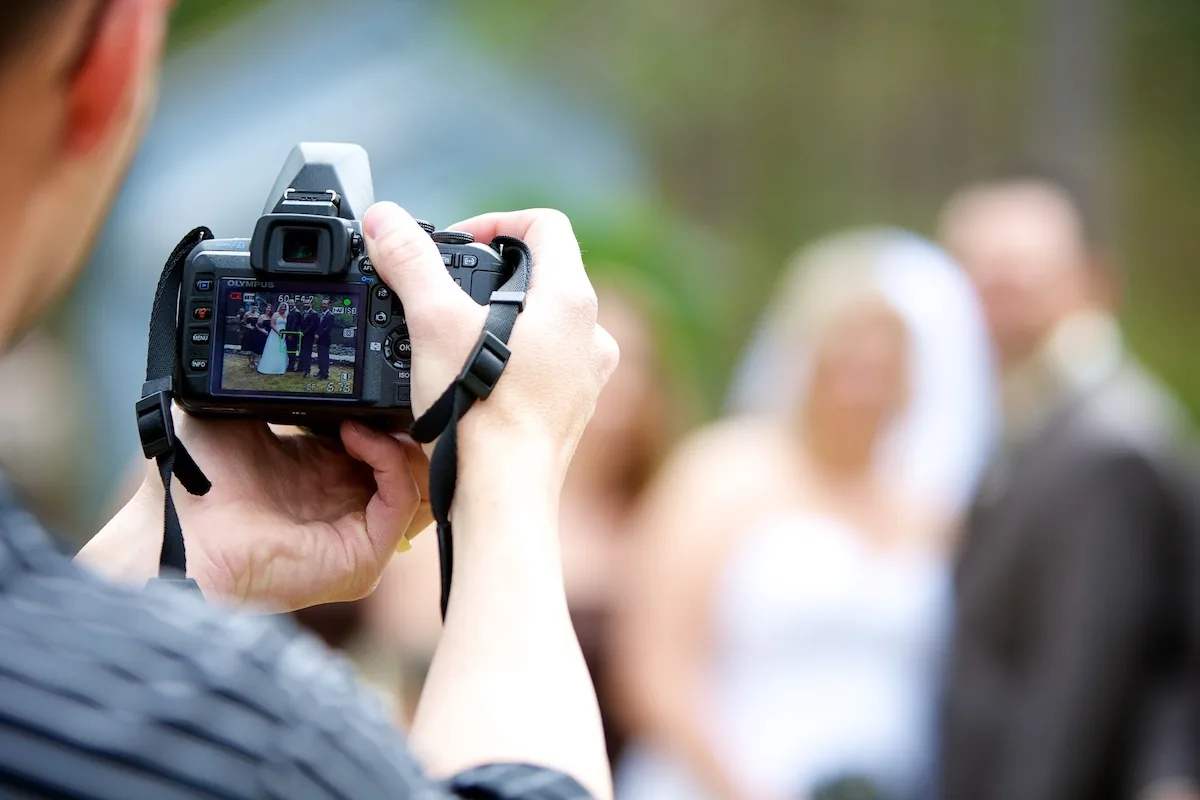
Two things. The first is assigning a second shooter whose explicit job is details and reactions, not primary coverage. When the lead is shooting the bride walking down the aisle, the second is on the parents in the front row. Not for a specific shot. For whatever happens.
The second is restraint. A photographer who is always composing and always directing misses the details. A photographer who knows when to put the camera up and when to just stand still with it ready catches more.
What to ask a photographer you're considering
Show me five frames from your recent weddings that weren't taken during the ceremony, the portraits, or the first dance. Just — somewhere else. Between things.
If they struggle to produce those frames, they're coverage photographers, not detail photographers. Both are valid. Just know which you're hiring.
Where this approach fits
Intimate weddings. Documentary-leaning couples. Anyone who has been to a dozen weddings and noticed that the galleries that moved them most weren't the most styled. This approach is not ideal if you want the glossy editorial wedding spread — those require more direction, more control, more of what we don't do.
We don't think one approach is better. We think couples are often sold the glossy version when the quiet version is what would actually hold up in their life.
If this sounds like what you want
Come find us. The couples we work best with are the ones who already know the detail frames are what they'll care about in 10 years.
Planning your wedding?
Get a personalized quote from our team