Top Wedding Photography Styles to Try in 2026
"Style" in wedding photography gets thrown around loosely. Nine different studios will use the same word to mean nine different things. Here's how we use these terms inside our work, what each one actually produces, and which combinations keep showing up in the best-delivered galleries of 2026.
What's changing
Couples used to ask "what's your style." Now they ask "can you shoot a day that's mostly candid with some editorial mixed in." That's progress — it's a more honest request, because real wedding coverage is almost never a single style from start to finish.
Here's the vocabulary, with what each approach actually produces.
Nine styles, honestly
1. Documentary
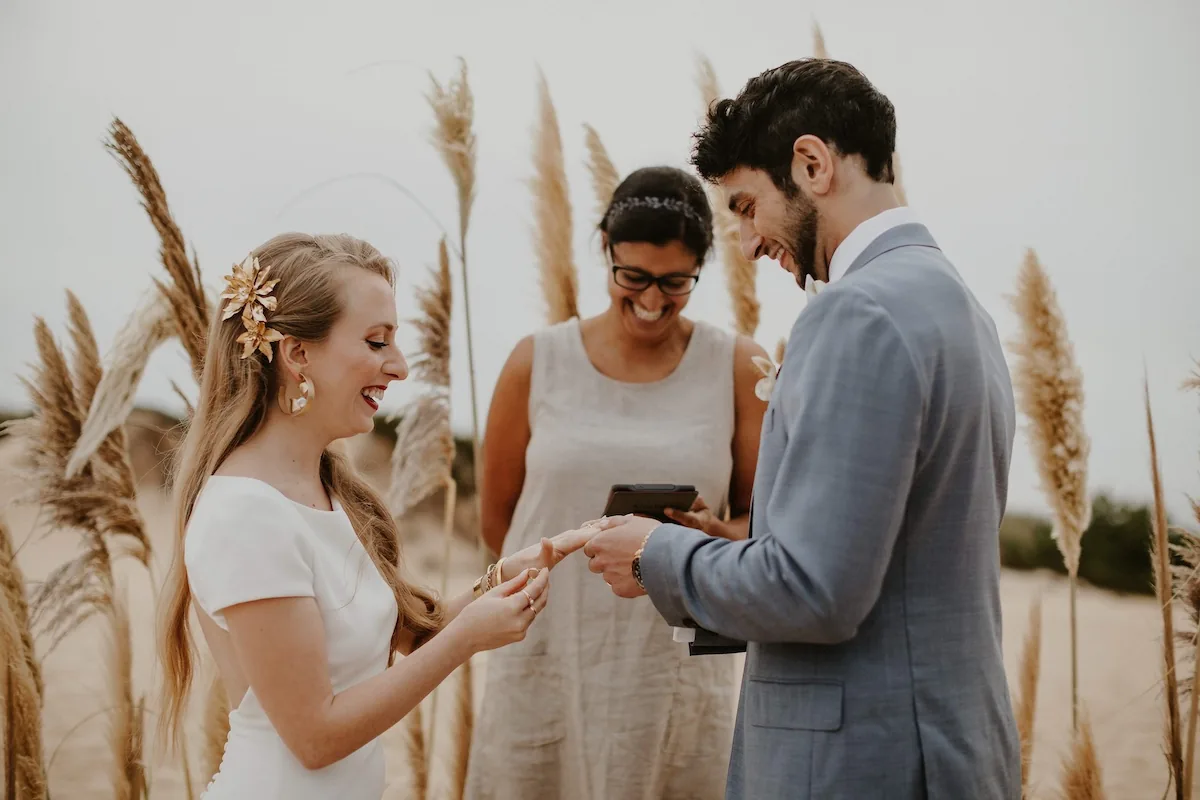
What it is: the photographer watches and shoots what happens, minimal direction. Produces: unposed emotional frames, strong narrative arc, the reactions other styles stage past. Best for: couples who don't want to feel managed, big families with emotional dynamics. Skip if: you want a heavy shot list followed exactly.
2. Editorial / fashion-forward
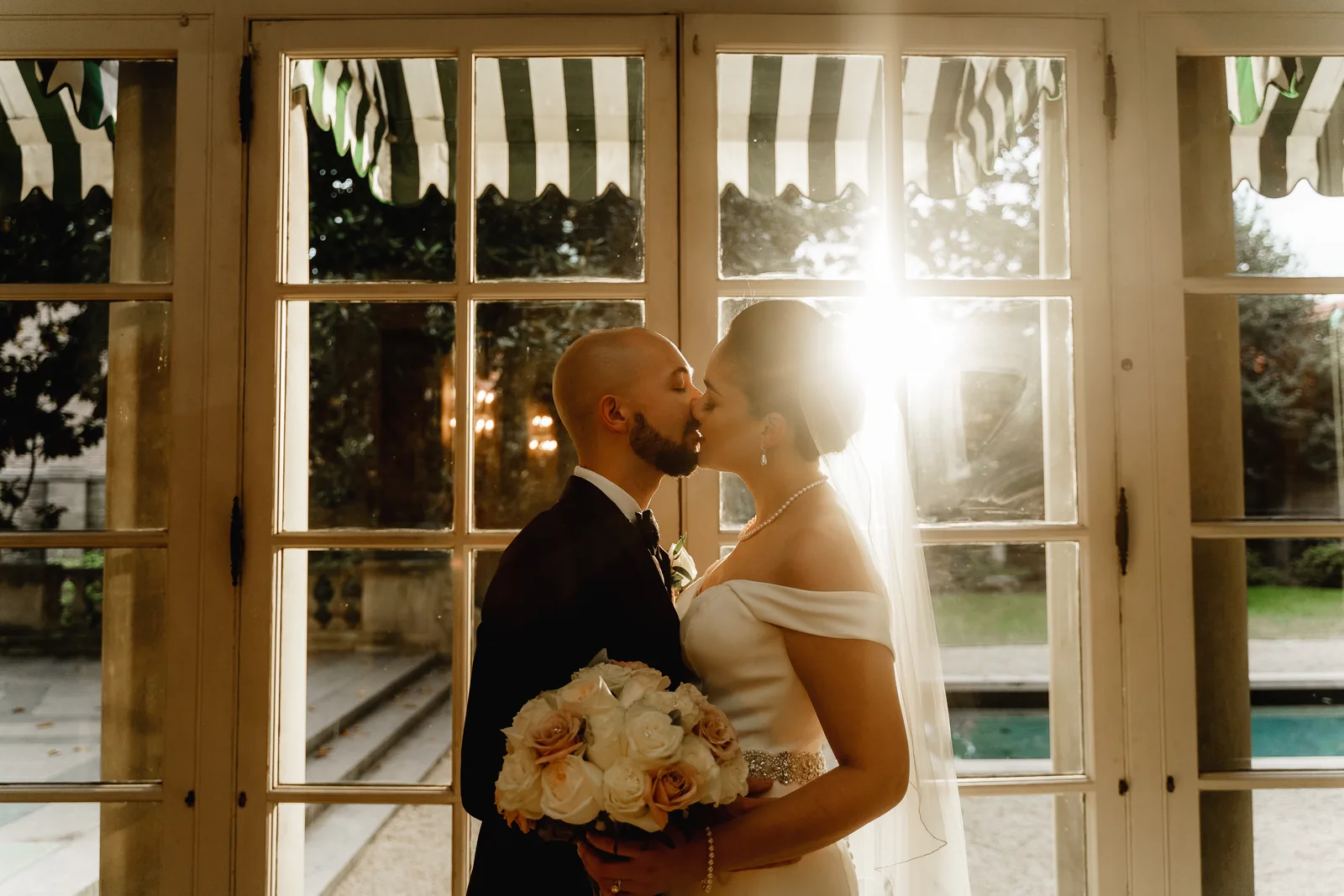
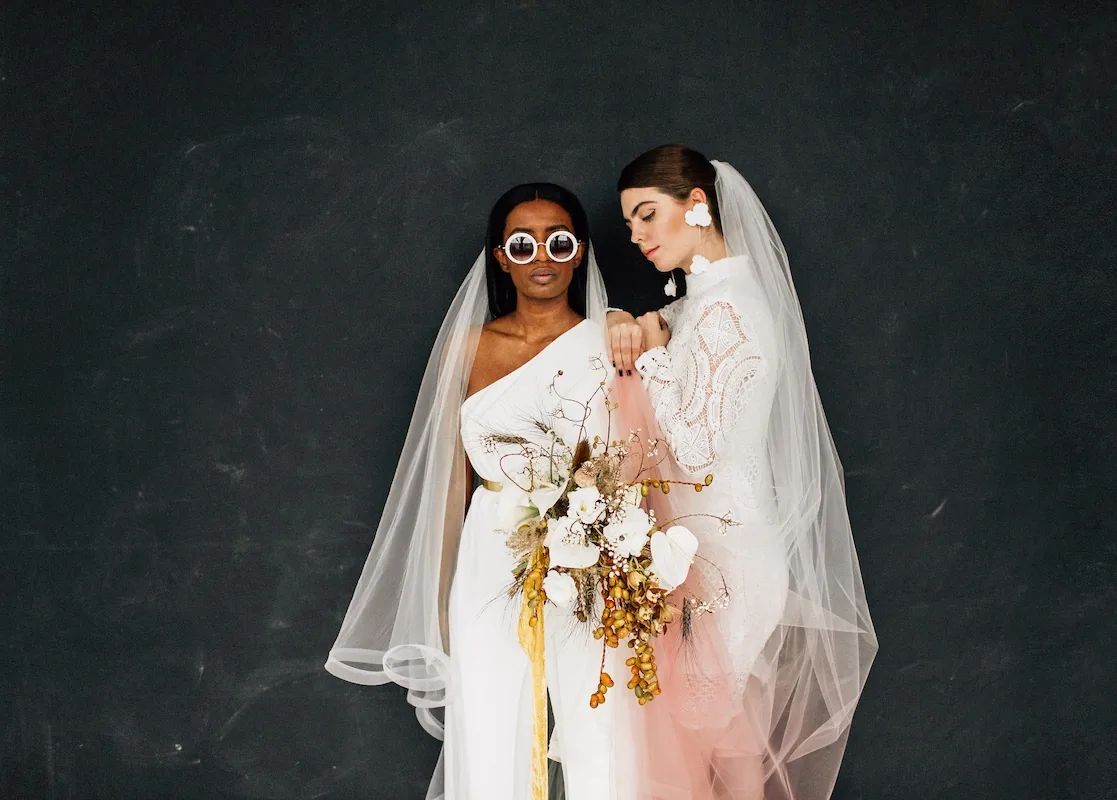
What it is: directed portraits with intentional light, wardrobe alignment, and clean composition. Produces: 2–4 frame-worthy magazine-feel images per gallery. Best for: couples who want at least a few images to hang on walls. Skip if: you don't like being directed or don't want to carve out a 20-minute portrait block.
3. Fine art
What it is: cousin of editorial but with softer tones, shallower depth of field, more painterly framing. Produces: ethereal, timeless imagery. Best for: outdoor daytime weddings with soft light. Skip if: your wedding is primarily indoor or at night.
4. Black-and-white emphasis
What it is: not a full-gallery style but a deliberate inclusion throughout. Produces: gallery rhythm and emotional density. Best for: almost every wedding at 15–20% inclusion. Skip if: you specifically don't like B&W. (Very few couples.)
5. Vintage / film-style
What it is: color grading that mimics analog film. Slightly rolled highlights, warm shadows, fine grain. Produces: galleries that look like they'd age well because they echo imagery that has. Skip if: the studio's version is actually just a heavy Instagram preset. Huge difference.
6. Cinematic
What it is: the video-side word for narrative pacing, real audio, considered framing. Produces: highlight films that feel like movies, not montages. Best for: couples booking full video coverage. Skip if: you only want social clips — cinematic is a different deliverable.
7. Lifestyle
What it is: relaxed coverage emphasizing interactions over events. Produces: galleries heavy on warmth and personality. Best for: backyard, family-heavy, kid-centric weddings. Skip if: you want a lot of portrait-style frames — lifestyle doesn't produce those.
8. Destination-style (without destination)
What it is: treating any US location with the intentionality of a destination shoot — location scouting, timeline around light, full environmental integration. Produces: galleries that feel cinematic regardless of where they're shot. Best for: couples who love their US venue but want the feel of European editorial coverage.
9. Aerial / drone
What it is: contextual aerial footage, 3–5 minutes per wedding. Produces: one hero scale shot and a handful of establishing frames. Best for: outdoor, coastal, mountain, rooftop, estate weddings. Skip if: your wedding is indoors. Useless.
The three combinations that actually win
Across our 2025 weddings, three style combinations consistently produced the strongest galleries:
Combo 1: Documentary + editorial + B&W
Covers 90% of the weddings we shoot. Documentary for the whole day. 20-minute editorial block during couple portraits. Final edit includes 15–20% B&W scattered through the gallery. This is the house combo.
Combo 2: Documentary + fine art + drone
Best for outdoor, destination-feel US weddings. The fine art grading fits soft natural light. The drone provides the scale. Works well at vineyards, coastal, desert.
Combo 3: Documentary + lifestyle + vintage grade
For small, warm, family-centric weddings. The lifestyle approach emphasizes the interactions. The vintage grade makes the frames feel like they've always existed. Skips the editorial block entirely because it'd feel forced.
What doesn't really matter
Two things couples worry about that we'd tell you to stop worrying about:
- Whether to call your wedding "editorial" or "fine art." The labels don't make the work. The coverage decisions do.
- Matching your style to your dress. Most looks are flexible. A structured gown can work in editorial or fine art; a flowing gown can work in lifestyle or documentary. Don't overthink this.
Frequently asked questions
Pick a combo, not a single label.
Planning your wedding?
Get a personalized quote from our team