Destination wedding | The full guide
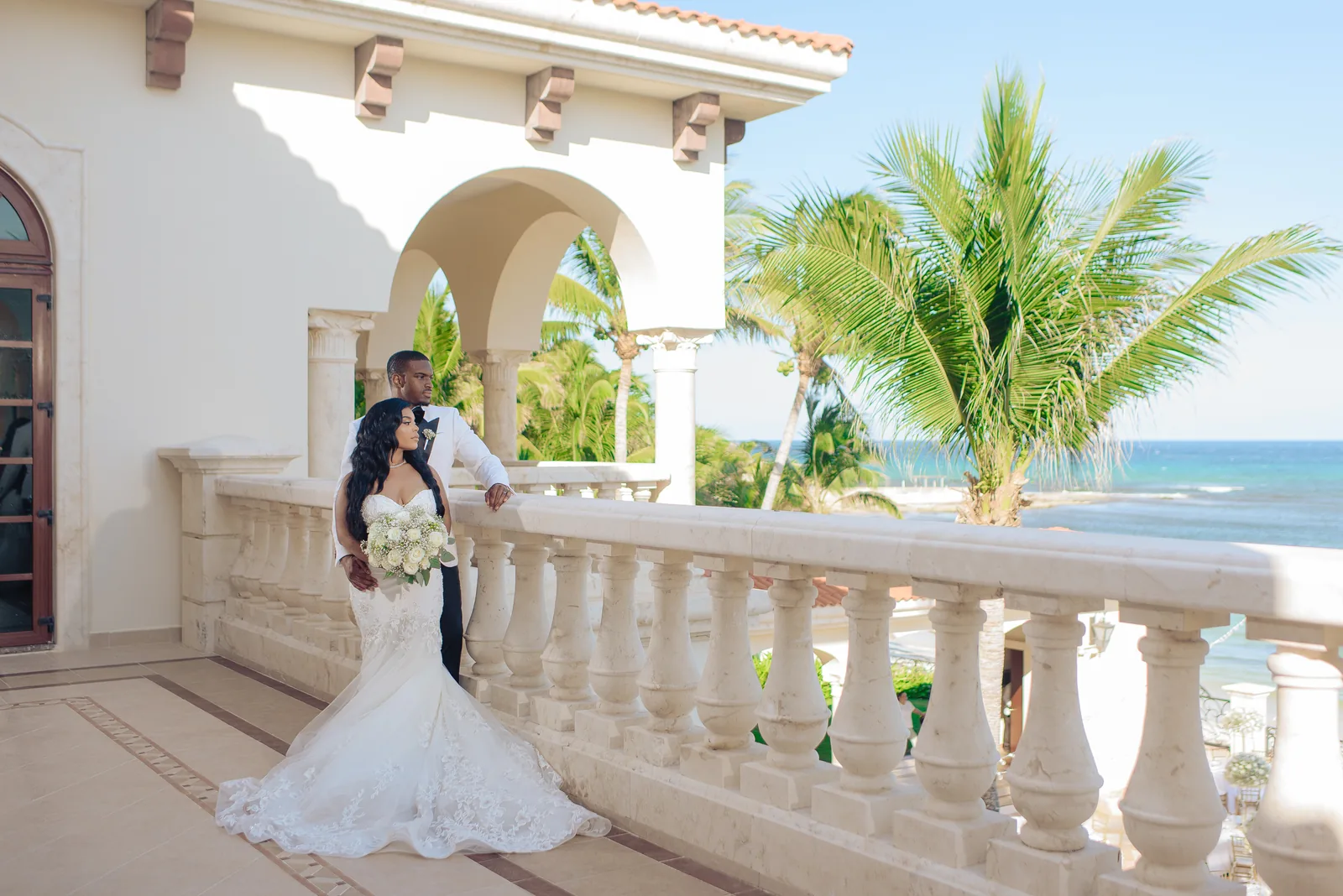
A destination wedding sounds like a honeymoon and a ceremony in one. In practice, it's a full wedding plus a trip — planned from thousands of miles away, executed in a country or city you may not know, attended by fewer people than you invited.
For the right couple, it's the best version of a wedding: fewer guests, more meaning, real adventure. For the wrong couple, it's a year of stress followed by a day that didn't match the imagined picture.
Below is what we've learned from shooting destination weddings from Tulum to Tuscany to Tahoe. The decisions that actually move the outcome — and the ones that look important but don't.
Quick answer
A destination wedding works when you pick the location for your guest list (not just the mood board), hire a local planner first, handle legal paperwork at home before you travel, send save-the-dates 12–14 months out, and budget the full trip — not just the wedding. Expect 30–50% of invitees to decline. Build the weekend as three events (welcome, wedding day, farewell) not one. Wedding insurance is non-negotiable.
Step 1: Pick the destination by the guest list, not the mood board
The location that looks best on your saved Pinterest images isn't always the one that works for the people you want there. Before falling in love with a specific destination, honestly answer:
- How many people can reasonably travel? Parents with medical issues, siblings with young kids, friends who just had a baby. Your A-list.
- What's the realistic flight cost from everyone's nearest airport? A $1,200 round trip versus a $500 one changes attendance dramatically.
- How much PTO are you asking guests to burn? Five days for Europe versus a long weekend for the Caribbean is a meaningful ask.
- What's the visa situation? US passports run out for some destinations; non-US guests need visas for others.
- What's the hurricane/monsoon/shoulder-season calendar? Some destinations only work certain months.
Shortlist three destinations that pass all those filters, then refine. The best destination wedding is the one your people can actually attend.
Destinations we actually shoot a lot
For US couples, these consistently work:
- Tulum, Playa del Carmen, Riviera Maya (Mexico) — direct flights, English-friendly, strong vendor scene, year-round workable (Nov–April best)
- Cabo San Lucas (Mexico) — slightly fancier feel than the Riviera, great for resort weddings
- Italy (Tuscany, Amalfi, Lake Como, Puglia) — the most-requested European destination. May, June, September, early October.
- Greece (Santorini, Mykonos, Crete, Athens) — similar calendar to Italy, different aesthetic
- France (Provence, Loire Valley, Paris) — most complex paperwork; plan 18 months out
- Portugal (Douro Valley, Comporta, Lisbon) — the sleeper pick, lower costs than Italy
- Caribbean (Turks and Caicos, Antigua, St. Lucia) — convenient for East Coast couples, November–June
- Hawaii — domestic but functionally destination. May, September, early October. Avoid peak winter.
- Domestic adventure destinations — Sedona, Aspen, Lake Tahoe, Charleston, Savannah. Lower attendance friction, still destination-feel.
Step 2: Hire a local planner first
This is the single highest-leverage decision in destination planning. Before you book a venue, before you email a florist, before you pick a date — find a planner who lives in your destination.
What a local planner does that a home-base planner cannot:
- Speaks the language. Contracts, negotiations, and problem-solving happen in the local language. Translated email loops fail.
- Knows the vendors who don't have English-language Instagram. The best florist in Tuscany might not post at all.
- Understands paperwork. Marriage license requirements, vendor licensing, venue permits. One mistake here kills a wedding.
- Runs one wedding a weekend. Watch out for franchise planners running four weddings simultaneously; you'll get the B-team.
- Has backup vendor relationships. When the florist gets sick 48 hours out, a local planner has three calls to make.
Budget 10–15% of your total wedding spend for the planner. It's the least negotiable line item.
Step 3: Separate legal from symbolic
The single most common destination-wedding surprise: you can't actually get legally married there. Or you can, but it requires 15–30 days of in-country residency, translated documents, a blood test, and a visit to a specific government office that's only open Tuesdays.
The clean solution: get legally married at home first. A courthouse ceremony with two witnesses, 20 minutes, $40. You're legally married before the trip. The destination ceremony is then symbolic — no paperwork, no residency, no stress.
Your guests don't need to know, and most destination weddings work this way now.
Exceptions: some US couples genuinely want the destination as the legal venue (symbolic matters to them). In that case, pick a destination with straightforward marriage laws — Jamaica, Antigua, Tulum civil ceremonies, Las Vegas, Hawaii — and work with a planner who's done the paperwork before.
Step 4: Manage attendance honestly
The attendance math for destination weddings:
- US to Europe: 40–55% of invitees attend
- US to Caribbean/Mexico: 55–70%
- US to Hawaii: 50–65%
- Domestic destination (California couple in Colorado): 70–85%
Work backward. If you want 80 guests at the ceremony and you're doing Italy, invite 170. If you want 30, invite 60.
Be honest about who will actually come. Close family with small kids — unlikely. College friends without disposable income — unlikely. Work friends — almost never. The destination wedding guest list isn't a shortened home wedding list; it's a different list entirely.
Step 5: Send save-the-dates at 12–14 months
Destination weddings require more runway than hometown ones. Guests need time to:
- Book flights (prices spike when booked under 4 months out)
- Request PTO (some jobs need 6+ months' notice)
- Save for the trip
- Secure passports or visas
- Coordinate with their own family commitments
The cadence that works:
- 12–14 months out — save-the-date with destination, date, and a rough cost estimate ("expect approximately $2,500 per person including flights and 4 nights' hotel")
- 9 months out — wedding website with logistics: recommended flights, hotel blocks, activities, weather, packing guidance
- 8 months out — formal invitation with RSVP
- 6 months out — RSVP deadline
- 3 months out — final itinerary email with day-by-day schedule
- 2 weeks out — weather update, packing reminder, on-site welcome information
Step 6: Plan as a wedding week, not a wedding day
Guests traveled. A five-hour reception on Saturday doesn't feel worth it.
The standard destination-wedding structure:
- Thursday evening — welcome dinner (optional but recommended) — usually hosted by the couple's parents, relaxed, less formal than the wedding
- Friday — a group activity (wine tour, cooking class, boat day, beach hangout), often self-organized but promoted on the website
- Saturday — the wedding day
- Sunday — farewell brunch — usually hosted at a smaller venue, easier for guests flying out that afternoon
Couples who skip the Thursday welcome and Sunday brunch almost always regret it. Guests who traveled don't want a day-long event; they want a weekend experience.
Step 7: Have insurance, backups, and a contingency plan
Wedding insurance costs $150–$500 and covers vendor cancellations, weather disruptions, venue closures, and travel issues. It's cheap and absolutely worth it for destination weddings.
Plus:
- Backup venue identified — even in the tropics. Hurricane, flood, protest, venue permit issue. Your planner should name a backup.
- Backup vendors — florist, hair/makeup, catering. Some pairs get sick, some miss flights.
- Weather plan — specific thresholds and decision-makers. Don't improvise.
- Guest safety information — local hospital contact, US embassy contact (for international destinations), emergency guide in the welcome bag.
The goal isn't to plan for disaster — it's to make sure disaster doesn't cancel the wedding.
Step 8: Budget the trip nobody quotes
The vendor quotes you get are for the wedding. Your actual spend includes:
- Couple's travel and lodging — usually 7–10 nights for the couple, at a nicer level than guests
- Family accommodations (in some cultures, hosting immediate family is expected)
- Welcome bags and gifts — $50–$150 per guest for proper welcome bags in the hotel rooms
- Group transportation — shuttle to and from the wedding venue
- Vendor travel (if you bring photographers, planners, hair/makeup from home) — flights, hotel, per diem
- Local permits and license fees — varies wildly by destination
- Tips — 15–20% of total spend in tips is standard at international destinations
- Currency exchange and wire fees — surprisingly real over 12 months of vendor payments
Typical total spend for a destination wedding, including all of the above: $25,000–$75,000 for an average wedding, higher for luxury tiers. Destination doesn't equal cheap — it equals different.
Bringing your own photographer vs. hiring local
Most US couples bring their photographer with them. Reasons:
- You've seen the work and you trust it. Portfolio from a specific photographer, not a generic agency.
- Language. A photographer who speaks your language reads cues and gets the shots you want.
- Style consistency. Destination-specialist local photographers often shoot a generic resort-wedding style.
- Travel is usually included. Most US wedding photographers (ours included) include domestic travel in the package; international is typically a modest travel upcharge rather than a full rebuild.
Local photographers work when you specifically want a local visual style, you're deep on budget, or you speak the local language fluently. Otherwise, bring your team.
Frequently asked questions
Planning a destination wedding?
We travel with couples across the US and internationally. If you're picking destinations and want to talk through timeline, photography logistics, and the realities of your specific location before you book anyone, start a conversation.
Also worth reading: 20 Must-Haves for a Wedding Reception for the reception details most couples forget.
Planning your wedding?
Get a personalized quote from our team