Family Wedding Moments You'll Cherish Forever
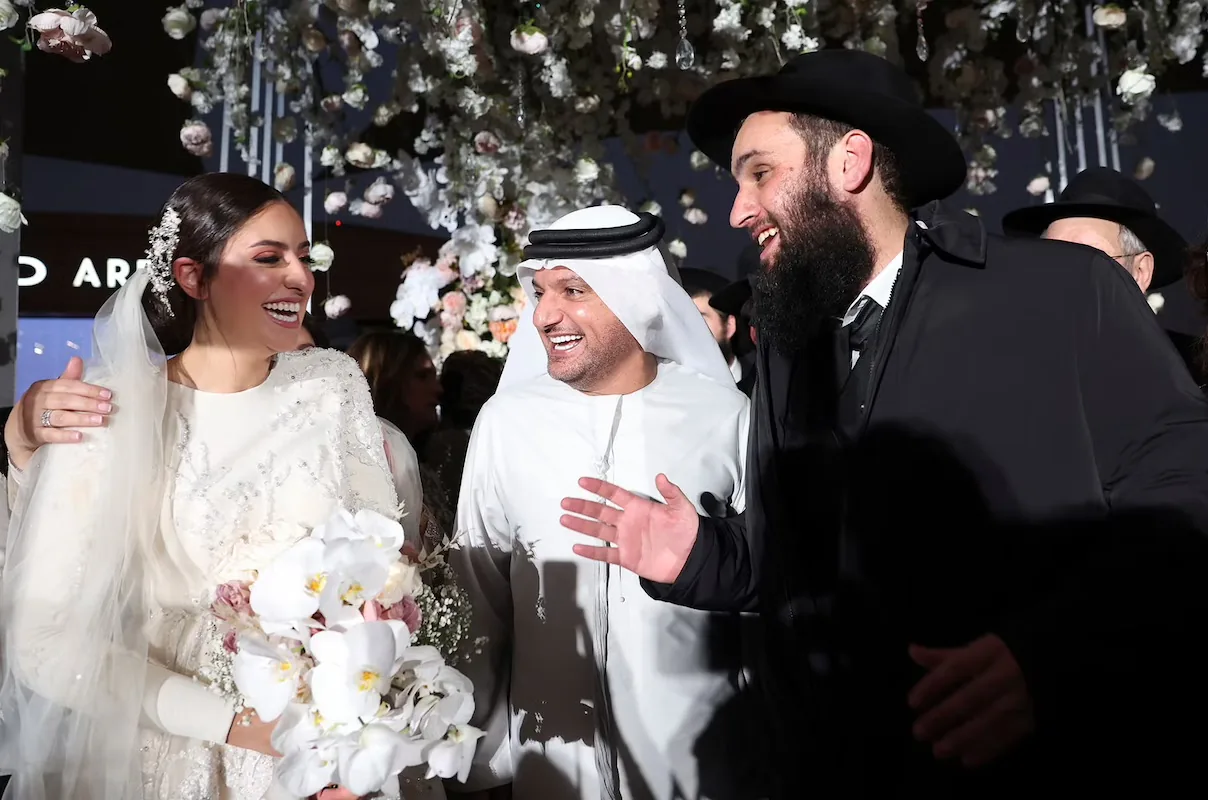
When couples look through their wedding gallery six months after the day, they linger on the photos they expected to love: the kiss, the first dance, the portrait.
Five years later, they linger on different photos. The ones they didn't plan, didn't stage, didn't even notice on the day. Almost all of them involve family.
Quick answer
The family wedding photos couples value most years later are rarely the posed group portraits. They're the candid moments — a parent's face during the ceremony, grandparents holding hands during the vows, a sibling laughing at a speech. Protect 2–3 deliberate moments on the timeline (first look with parents, multi-generational portrait, parent dance) and trust your photographer to catch the rest.
The photos that grow in value
The day itself has a visible story — the ceremony, the reception, the big moments everyone sees. The gallery captures that story clearly.
But underneath the visible story is a second one. The looks. The small gestures. The quiet between two people. These are the frames that start quiet and grow louder over time.
Five years in, couples tell us the same thing:
"I didn't know Grandma made that face during our vows." "I never saw my dad look at my mom that way." "I forgot I made my brother cry during my speech."
These are the images that become the album cover candidates by year ten.
The look on your parents' faces
There's a specific expression that happens on a wedding day. It's not posed, not announced, not even sustained for more than a second or two.
It's the way your parents look at you when they think no one is watching.
It happens:
- When you walk down the aisle
- During your vows, while their eyes are on you
- During the first dance, from across the room
- In the moment right before the introductions at the reception
A photographer who's watching for it will catch it. A photographer who's only shooting the couple will miss it entirely. That's the difference between a standard gallery and a family gallery.
The moments you won't see
No matter how present you try to be, your wedding day is bigger than your field of view. While you're at the altar, something meaningful is happening in the third row. While you're dancing, your grandfather is sitting at a table telling a story your great-aunt has never heard.
A good photographer's job is to cover this parallel wedding. The one you're not looking at.
What this catches:
- Grandparents' reactions during vows (often the strongest single frame of the whole ceremony)
- Siblings exchanging looks during toasts
- Friends you haven't seen in years hugging each other
- Children watching with the specific attention kids reserve for weddings
Subtle gestures count more than dramatic ones
The strongest family photos are almost never dramatic. They're small:
- A hand resting gently on your shoulder
- A quiet conversation in a corner
- A smile exchanged between two family members who knew each other first
- A parent adjusting a flower, straightening a tie, fixing your hair one last time
You won't notice these moments on the day. They take seconds. Your photographer's job is to be present for all of them.
Sound deepens memory
Photographs preserve the visual. Videography preserves the things photographs can't: voice, motion, atmosphere.
Specifically for family:
- Toasts. Your parents' words. Your sibling's speech. The timing, the pauses, the laughter that followed. You won't remember these accurately. Video does.
- Ceremony audio. Your own vows in your own voice. The officiant's words. The sound of the processional.
- Reception ambience. Laughter across tables, the warmup to a song, the cheers at introductions.
For most couples, the videographer's family-moment coverage becomes more emotionally valuable over time than the photos, because sound fades from memory faster than images do.
The people who made the day
Your wedding is a reflection of your relationship — but it's also a reflection of the community that raised you, supported you, and showed up to celebrate.
The photos that capture that community matter differently than portraits. They're evidence of who was there, who was bonded, who was present during a specific moment in your shared timeline.
Years later, when some of those people aren't there anymore, these are the images you'll print for funerals. For memorials. For children who ask about family members they never met.
That's a heavy reason to document them well. It's also the real reason.
How to protect family moments in the schedule
Three deliberate timeline choices do most of the work:
1. First look with parents. 10–15 minutes before the ceremony, separate from your partner's first look. Mom or dad sees you fully dressed before anyone else does. Almost always the strongest emotional frame of the day.
2. Multi-generational portraits, early. Get the four-generation, three-generation, and grandparent groupings done in the first 10 minutes of family photos. Don't let elderly relatives wait or wander off.
3. Parent dances with real songs. Pick songs that actually mean something, not a generic wedding pick. Dim the lights. Have your photographer close, not wide.
Everything else — the candid reactions, the toasts, the quiet moments — happens on its own. Hire well and it gets captured.
What a thoughtful team actually does
Capturing family moments takes more than a camera. It takes awareness.
A thoughtful team:
- Watches family dynamics before raising the camera
- Knows which family members to track and when
- Stays back during emotional moments instead of interrupting them
- Anticipates reactions instead of chasing them
- Coordinates with the videographer so no one is in each other's frames
This is an invisible skill. You can't tell from a portfolio photo whether the photographer was watching or just lucky. Ask during the interview: "How do you handle family reactions during the ceremony?" The answer reveals their approach.
Years from now
Open your gallery on your first anniversary, then on your tenth, then on your twenty-fifth.
The photos you linger on change. The couple portraits you loved at month six are still beautiful, but the frame of your mother's hand on your arm as you walked down the aisle starts to feel different. Then heavier. Then irreplaceable.
That's the work family-focused wedding photography does. It plants images that grow in meaning without any effort on your part.
Frequently asked questions
Hire for what you'll value later
Pick a photographer who sees the whole room, not just the couple. Build the deliberate moments into the schedule. Trust the rest to unfold. Start a conversation here if you want a team that thinks about family the way you do.
Planning your wedding?
Get a personalized quote from our team