Documentary-Style Wedding Photography 2025
The word "documentary" has been in wedding-photography marketing for 20 years, and it's meant something different every five of them. In 2025 it's finally settled into something specific — and something we think most couples actually want, even when they don't use the word.
Here's what documentary coverage actually looks like on the day, when it fits, when it doesn't, and how to tell whether the studio you're considering can really shoot it.
What's changing
Documentary used to mean "photojournalism at weddings" — photographers treating the day like a news event. That was fine but a little cold. What we're shooting in 2025 is warmer and more narrative. Less observational, more participatory. We're not hiding behind a pillar. We're in the room, known to be in the room, but not staging anything.
The shift matters because the outcome is different. Old-school documentary work often felt distant. Modern documentary work feels like someone at the wedding who happened to be great at photography.
Why it matters for couples
The frames documentary coverage produces are different from the frames posed coverage produces:
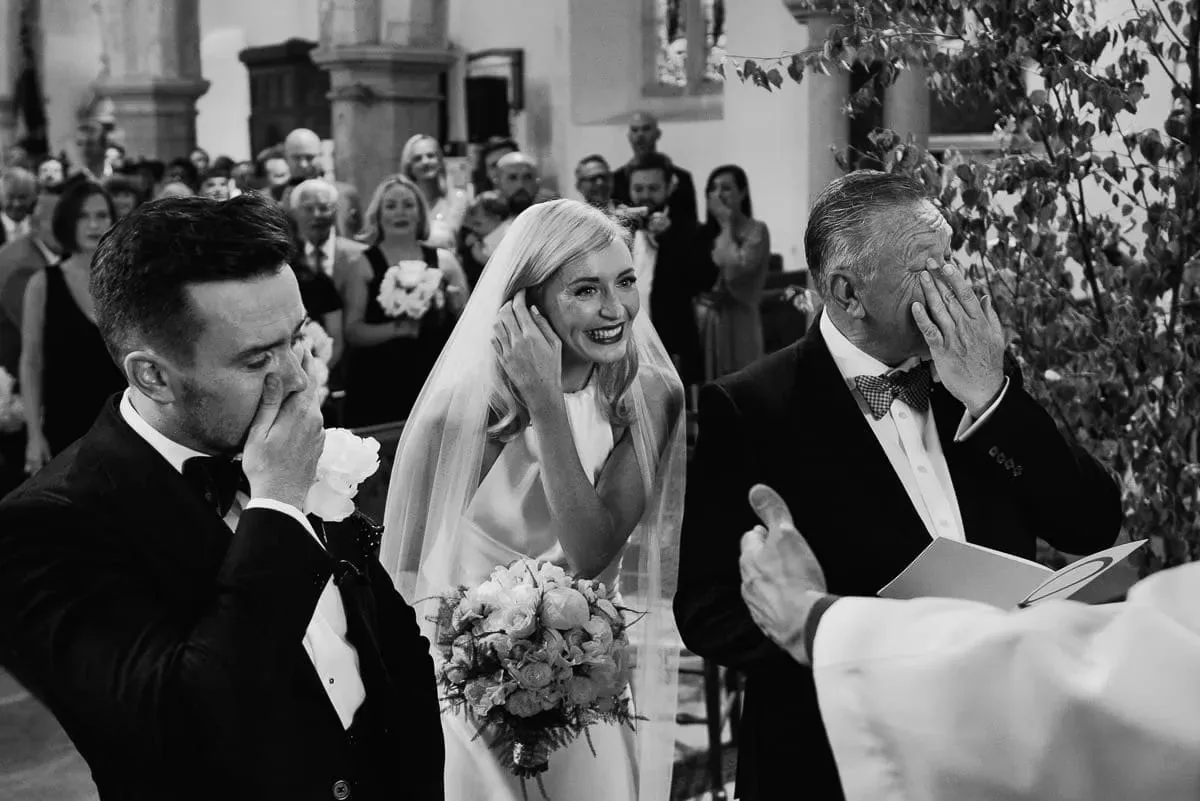
- The cry you didn't know your dad had during the first dance. Documentary catches it. Posed doesn't.
- Your niece eating frosting off a cake knife. Documentary catches it. Posed never even considers it.
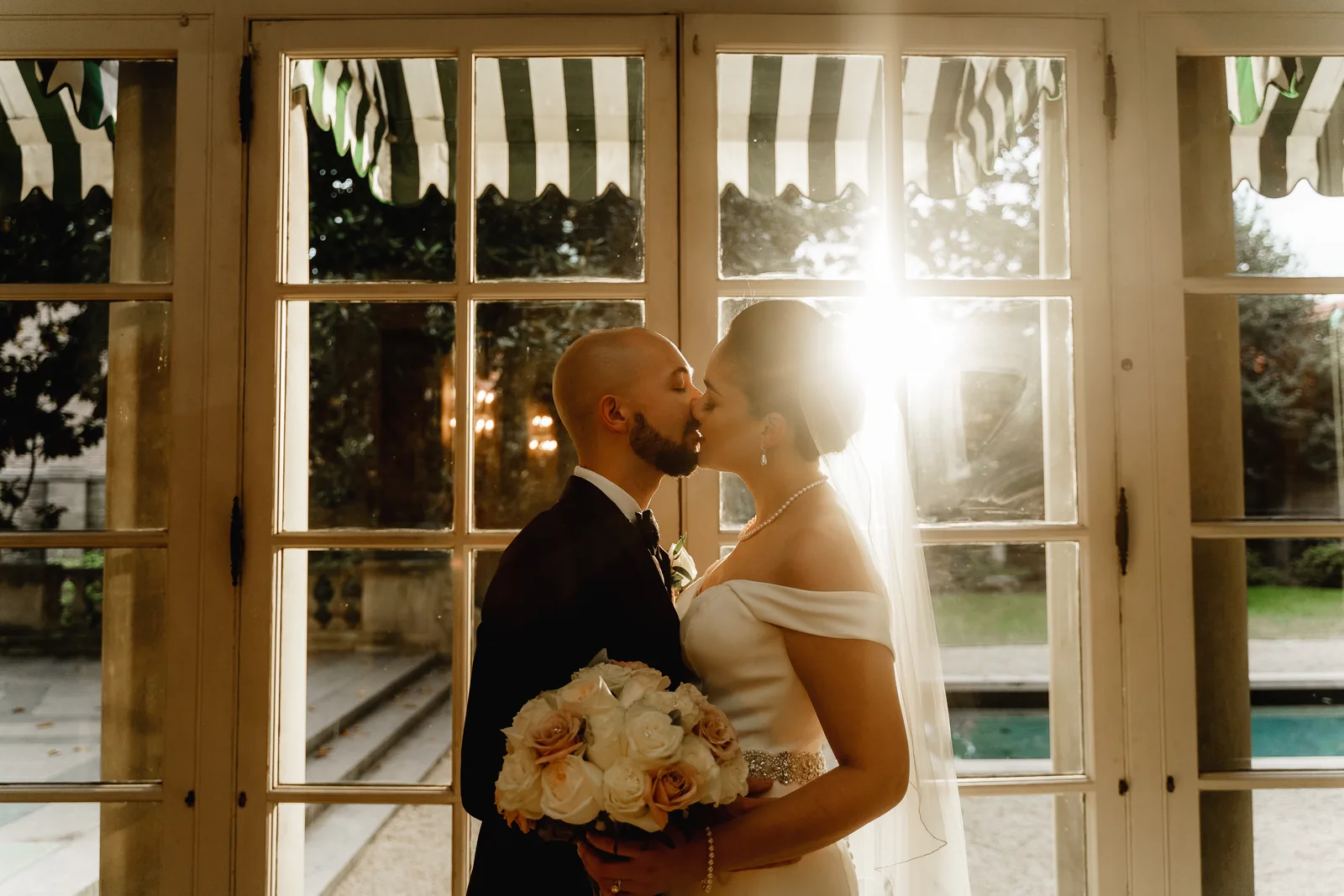
- The moment a minute after the ceremony, when you stop holding hands formally and just hold them. Documentary catches it. Posed ended at the kiss.
These are the frames couples print at home ten years later. Not the smile-at-camera group shot.
How we do it
The approach, concretely
- Known but unobtrusive. We're in the room. We say hi to your parents early so they know who we are. After that, we disappear.
- Anticipating, not reacting. A good documentary shooter is a half-second ahead of every moment. Where's the first look going to happen, where's the ring-exchange hand, where's the parent likely to cry. Not reactive photography — predictive.
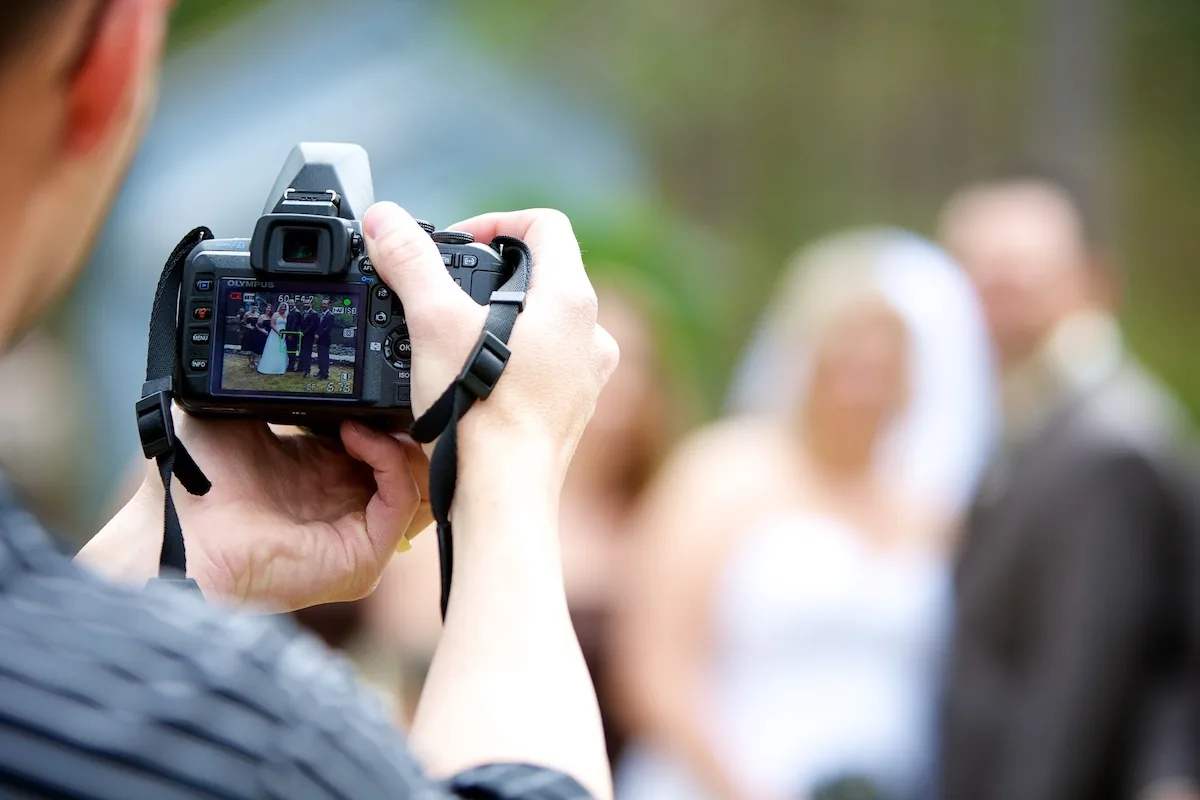
- Two-camera setup. Wide and medium prime on one body, longer prime on another. The wide for atmosphere, the long for emotion across a room.
- Minimal direction. We'll say "turn toward the light" once during couple portraits. We won't say much else. If a shooter is constantly directing, they're not shooting documentary.
Where we still direct
Documentary doesn't mean no direction ever. Three places we still direct:
- Family portraits. Structured, 15–20 minutes, shot list agreed with the couple in advance. The grandparents get covered.
- Couple portraits, in a 20–30 minute window. Some direction — walk here, turn toward each other, look out instead of at the camera. Not poses. Just prompts.
- Safety shots at the ceremony. A confirming frame of the ring exchange, the first kiss, the aisle walk. So nothing important is missed.
Everything else — getting ready, cocktail hour, reception, send-off — is watched and shot, not directed.
When documentary is right
- You don't want to feel managed. The getting-ready morning and the reception are lived, not performed.
- You have a big family that will be emotional. Documentary catches the reactions other styles stage past.
- You trust your photographer's eye. You have to — nobody's checking the frames in real time.
When it's not the right fit
- You want a specific Pinterest shot list. That's fine, but it's a different style. Book a photographer who does styled work.
- You want the photographer visible and directing. Some couples like this and it's a legitimate preference. Documentary will feel like the shooter isn't doing enough, when really they're doing it differently.
- You want heavy editorial frames with dramatic lighting. Documentary doesn't produce those. A 20-minute editorial block inside a mostly-documentary day is the compromise that works.
Documentary works in every setting we shoot
- Urban venues. Reception energy, street-scene portraits, loft architecture. Documentary thrives here.
- Outdoor and destination. Landscape context plus candid emotion. Our favorite combination.
- Cultural and multi-faith ceremonies. Documentary is the right answer here — posed coverage misses the depth of the rituals. We've shot documentary-style Hindu, Jewish, Islamic, Korean, and Ethiopian weddings.
- Small weddings. Especially suited. With 10–40 guests the whole day becomes one long quiet scene, perfect for this coverage.
Frequently asked questions
If you want your wedding to look like something that happened, not something that was staged, tell us about your day.
Planning your wedding?
Get a personalized quote from our team