Editing Magic: Turning Wedding Photos into Art
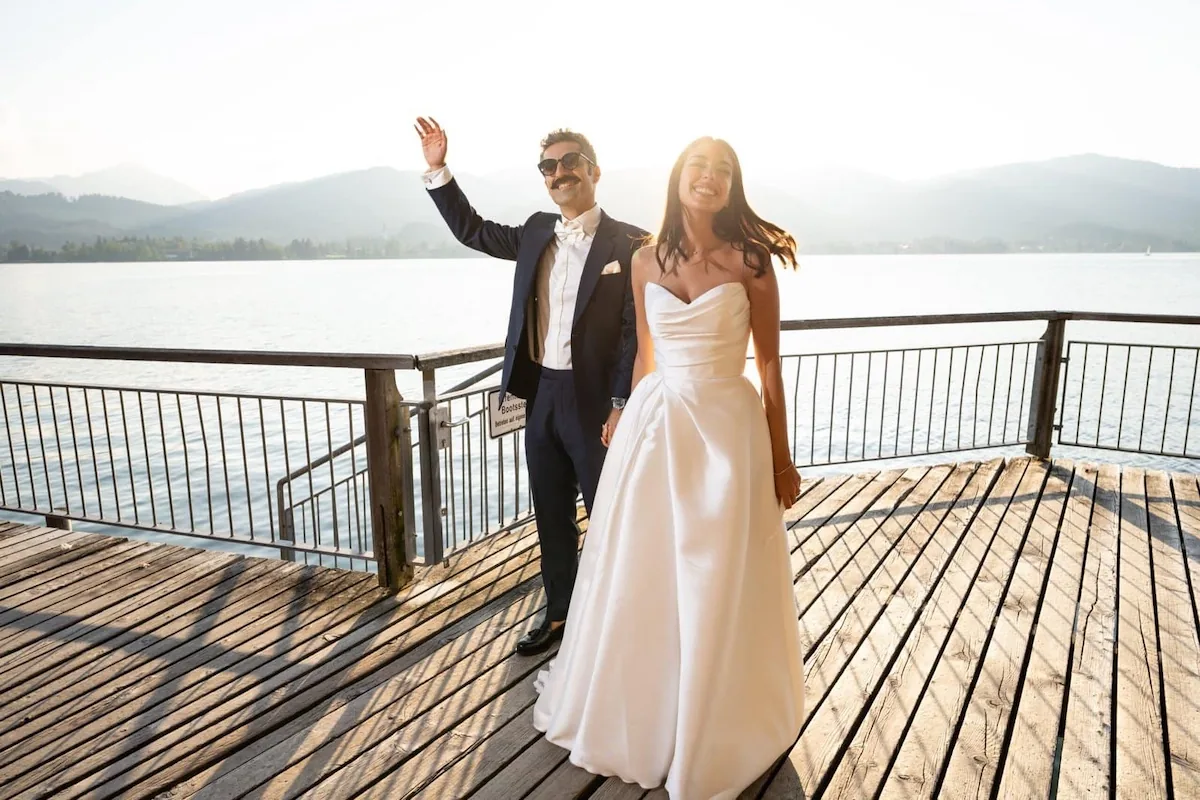
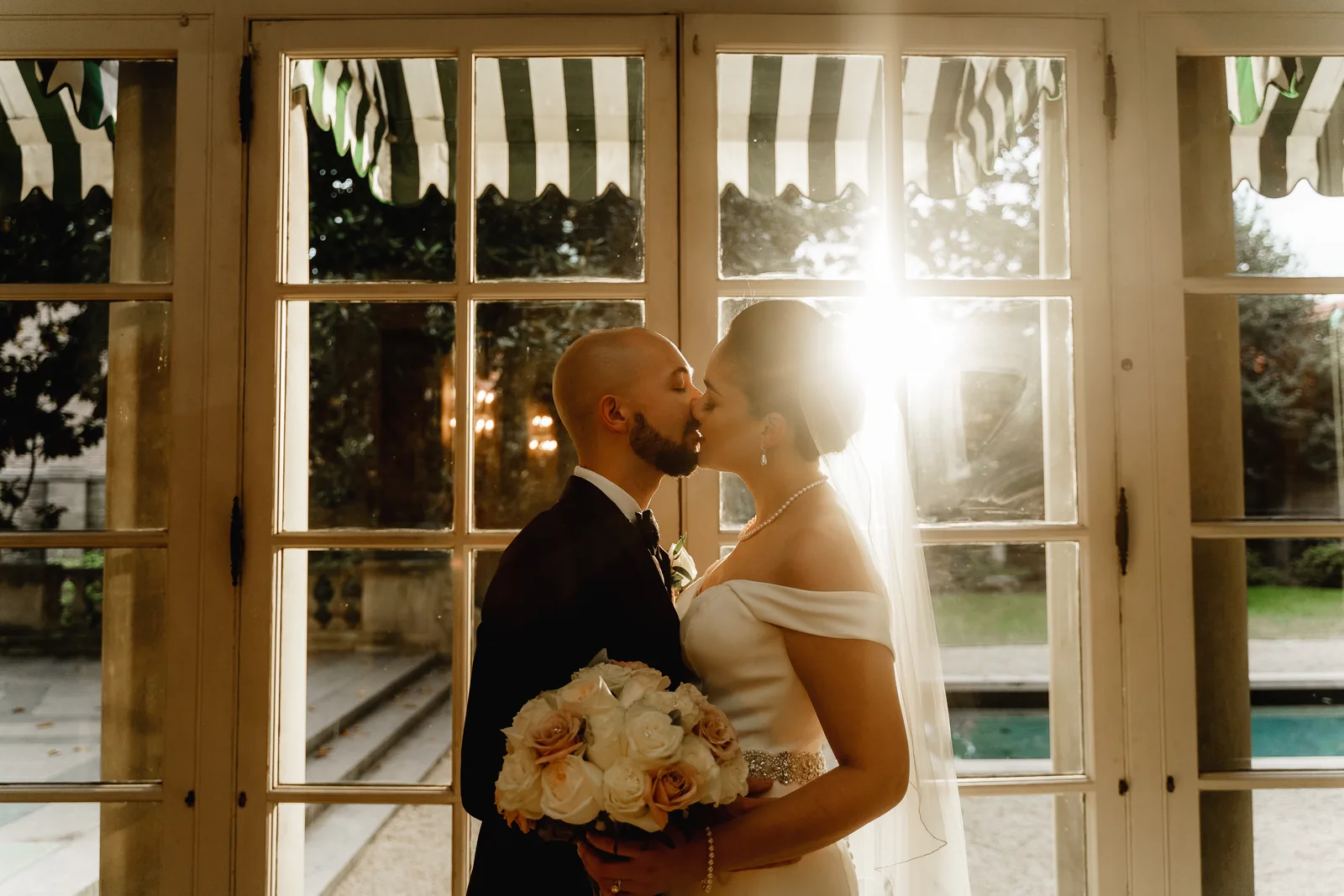
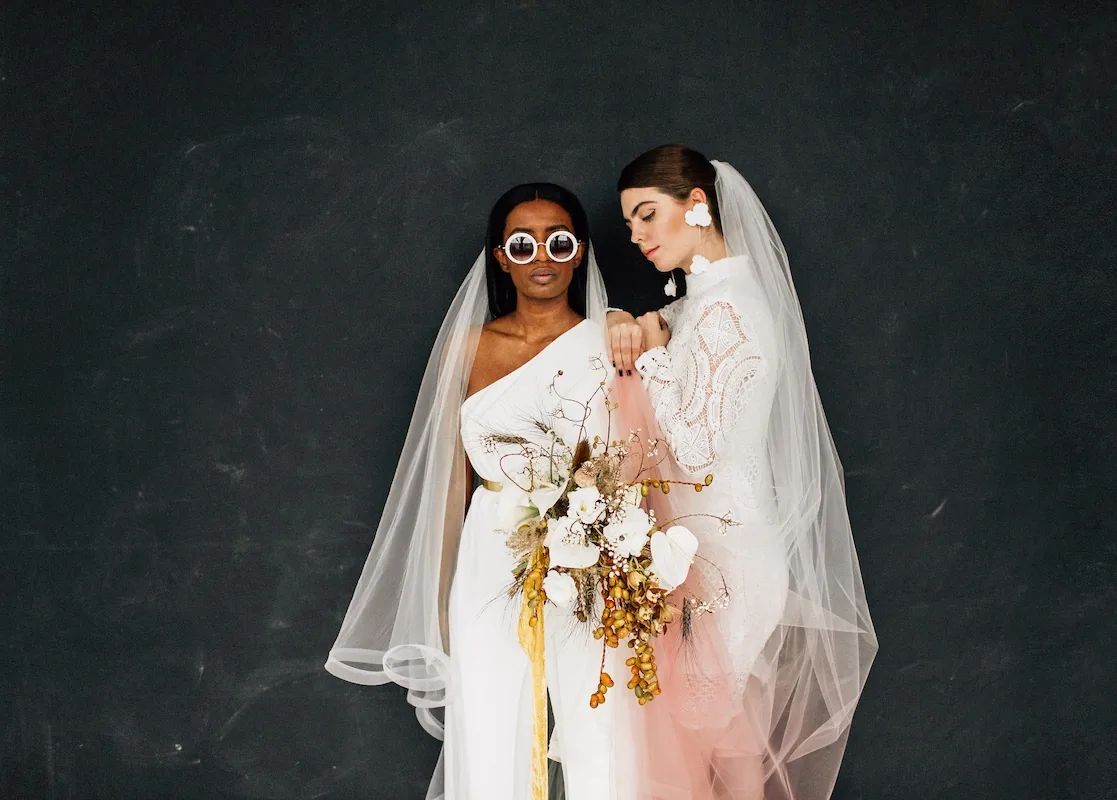
Wedding editing isn't filters. It's a hundred quiet decisions per image — choosing how warm the skin tones should read, how much shadow to recover, whether a frame works better color or black-and-white, whether the sky behind the couple is too distracting to keep full saturation.
Done right, you don't notice any of it. You just notice that the photos feel like the day felt.
Quick answer
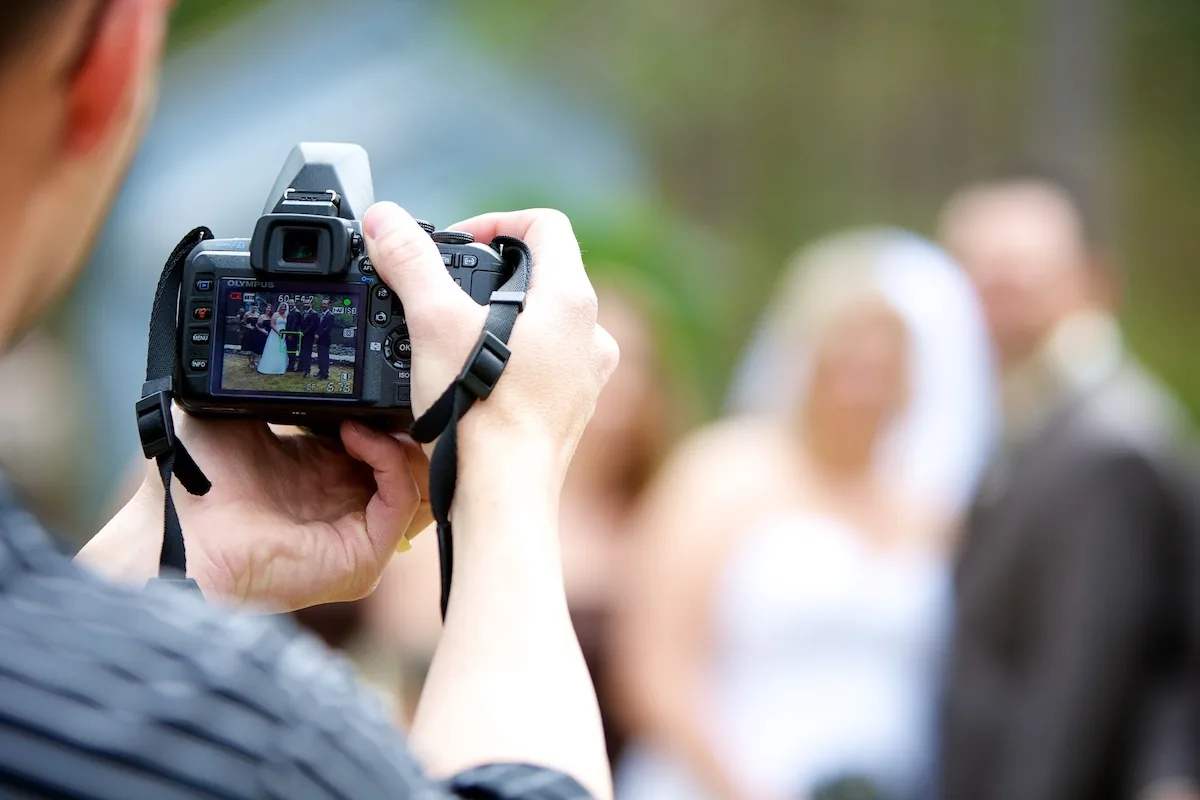
Professional wedding photo editing is the post-production process of transforming raw camera files into a finished gallery. It includes culling (selecting keepers from 4,000–6,000 frames), global color and exposure matching, per-image tone work, selective retouching of portraits, and a final cohesion pass. A typical wedding takes 35–45 hours of editing work spread across 14 days.
The work that matters most: tone matching
The single biggest lever in a wedding gallery isn't retouching or filters. It's making the 8 a.m. getting-ready photos and the 11 p.m. reception photos feel like the same day.
Weddings span enormous lighting variety — soft window light in the bridal suite, harsh midday outdoor light for portraits, mixed indoor fluorescent at cocktail hour, dim tungsten with DJ-lit dance floors at the reception. An unedited gallery looks like five different weddings shot by five different photographers. Our job is to pull all of it into one visual voice.
This happens in the raw file — white balance, exposure, contrast, and tone curves adjusted per-image until the full gallery reads as one story. It's slow. It's also the most important 15 hours of the edit.
What invisible editing actually looks like
Good wedding editing is defined by what you don't see:
- Stray hair across a forehead — gone, but the hairstyle still looks intentional
- Acne from wedding-week stress — softened, but the skin still looks like skin
- A green exit sign glowing in the background of the first kiss — pulled down but not removed
- Uneven shadow on half the bride's face from a tree above — lifted to match the other half
None of this registers when you look at the photo. You just feel that the photo works. That's the goal.
What we don't do
We're documentary photographers. That means some common editing techniques are off the table:
- Sky replacement. If the sky was gray on your wedding day, it stays gray. Swapping in a sunset sky is faking your wedding.
- Face reshaping. We don't slim faces, erase double chins, or change body shapes. If you want glamour-style edits, hire a different studio.
- AI removal of guests. If your uncle was there, he's in the photo. We're not editing him out.
- Heavy filter looks. Extreme orange-and-teal grading or over-saturated "moody" presets age gallery badly. We stay close to real.
The test we apply: will this edit look good in 20 years? If the answer is no, we skip it.
Color vs. black and white
Black-and-white isn't a style choice — it's an emotional choice, made one image at a time.
We convert frames to black-and-white when:
- Color is distracting from the emotion (weird wall colors, busy guest outfits during a tearful moment)
- The light is mixed in a way color can't rescue (tungsten + daylight + LED dance floor)
- The subject itself is about texture or shape (an aged hand holding a new ring)
We leave frames in color when:
- Color is part of the story (bridal reds, mehndi greens, rainbow lighting at a pride reception)
- The light is beautiful on its own (golden hour, window light, candlelight)
- The photo loses meaning without its hues
A good gallery is about 10–20% black-and-white, sequenced so it breathes. Not 50/50. Not all-or-nothing.
Why consistency matters more than brilliance
A stunning single photo in a mediocre gallery is worse than 600 solid photos that all feel cohesive. Your album is read in sequence — every image compared to the one next to it. If three frames look radically different in tone, the eye flags them as mistakes even when each one is technically great.
This is why global color matching (Step 3 of our post-production workflow) happens before any per-image tuning. Get the whole gallery in the same key first. Tune the soloists second.
Where AI fits into modern editing
AI tools are useful and dangerous in roughly equal measure. We use them for:
- Initial cull assistance (flagging blinks, duplicates, missed focus)
- Noise reduction on high-ISO reception shots
- Quick masking for selective adjustments
We don't use them for:
- Full auto-editing of galleries (it destroys consistency across a wedding)
- Face or body reshaping
- Generative fill to invent content that wasn't there
If a studio tells you their editing is "AI-powered," ask what they mean. A light assist is fine. A full auto-edit pipeline is how you end up with galleries that look like everyone else's.
The turnaround question
Most US studios deliver in 6–12 weeks. We deliver in 14 days. This isn't corner-cutting — it's bandwidth management and workflow discipline. We cap how many weddings we take per month specifically so the edit team can turn them around fast.
Why 14 days matters: the wedding is still emotionally fresh. You're still telling the stories at work. Extended family is still asking when they can see photos. By week 12 the moment has moved on.
FAQ
If you want photos edited by humans who've done this for 15 years — start a conversation.
Planning your wedding?
Get a personalized quote from our team