Destination Wedding in Mexico | 10 things you should think about
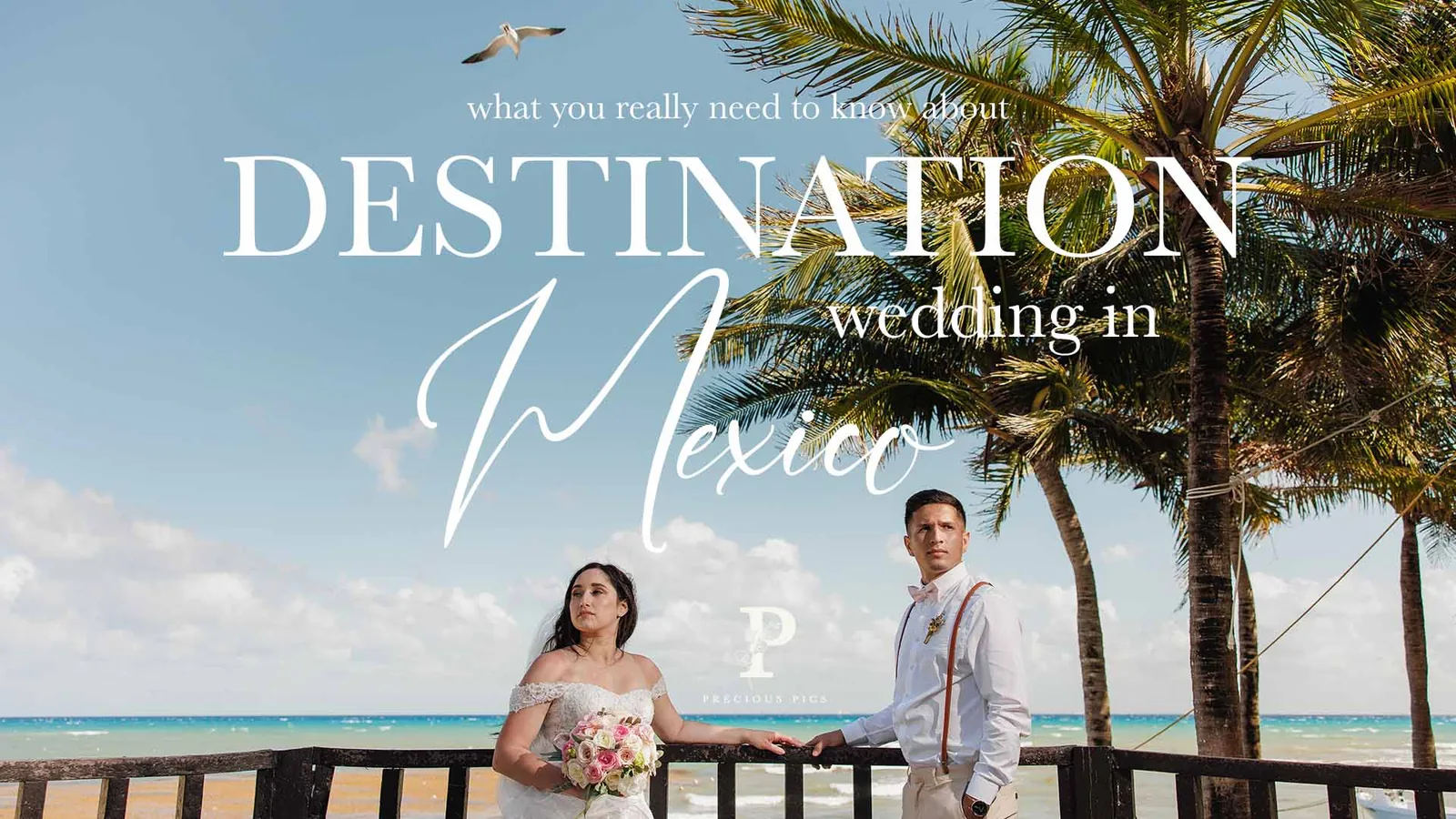
Why Mexico weddings look easier than they are
Mexico is genuinely one of the best destination wedding countries in the world. The coast is stunning. The food is extraordinary. The peso-to-dollar math works out. And the resorts have industrialized the whole experience to the point where you can book a wedding the way you book a hotel room.
Which is also the problem. The ease of booking makes it easy to skip steps. Here are the ten things our Riviera Maya lead, Maureen de Vries, tells every couple before they put down a deposit.
1. Pick your venue during a site visit, not from Instagram
Every resort looks good in photos. What you can't see from a brochure: the walk from the ceremony site to the reception, the specific view from the honeymoon suite, whether the beach has seaweed season, whether the aisle points into the sunset (good) or into the parking lot (bad).
Fly down for 48 hours and tour three properties. Ask to see the specific ceremony spot at the time of day you'd be getting married. Take your own phone photos from every angle. The property that looked amazing in marketing may be the one with the loud pool deck twenty feet from the altar.
2. Keep calm with the coordinator timeline
Resort coordinators handle 2–5 weddings per week. They're not assigned to yours until 2–3 months before the date. Before that, emails go to the general inbox and replies can take 3–5 days. This is normal. It's not a sign of sloppy service.
Build a shared Google doc with every question, every decision, every deposit. When the coordinator gets assigned, the whole file lands on their desk at once. Trust the system. They've done this 200 times this year.
3. Read vendor contracts before you sign
This is the one that costs couples the most money. Most resorts charge a vendor fee if you bring an external photographer, videographer, or planner — usually $500–$2,500 per external vendor. The fine print is in paragraph 14 of the contract. Read it.
On the other hand, the resort's in-house vendors know they have a quasi-exclusive relationship, which means their rates are often 30–50% above market. Running the math with the vendor fee in mind is often cheaper than going in-house, especially for photography. Just make sure you know before you sign.
4. Dedicate a full day to the coordinator walk-through
When you arrive, block the day after arrival for one thing: a full walk-through with the coordinator covering every detail of the event — ceremony setup, reception layout, timeline, vendors, music, food service order, seating chart. Anything not nailed down in that meeting will come back as a text message during cocktail hour.
The bonus: once you've done the walk-through, you won't have coordinators pulling you aside for small questions during your own wedding. You can enjoy your guests.
5. Build a wedding website with an FAQ
Destination guests have a lot of questions. Most of them are repeatable:
- What should I bring?
- What's included in the room?
- How does airport transportation work?
- What do I need to travel to Mexico and return to the US?
- Are there any current COVID or health restrictions?
- What's the dress code for each event?
- What's the weather like in that month?
Put them all on a wedding website. Update once, link in every email, save yourself 200 individual replies.
6. Sunglasses for every guest
Our single cheapest, highest-ROI tip. A pair of coordinating sunglasses at every place setting for a beach or outdoor ceremony. $3–$5 per pair wholesale. Guests thank you ten times. Photos look amazing. Nobody has to squint through the vows. Trust us. Blindly.
7. Plan your details before they plan you
Destination timelines compound small details. Hotels give a limited number of hangers per room, which means your dress is sitting in a pile the morning of unless you request extras two days early. Bouquets are often delivered the morning of the wedding, which means you have zero time to ask for changes if something is wrong. Request bouquets the day before and put the dress on the hangers the night before.
Every small detail you front-load saves you ten minutes on the morning of, when every minute matters.
8. Book a hair and makeup trial
Your regular stylist isn't in Mexico. A local MUA or the resort's in-house artist doesn't know your face yet. You'll be getting ready in 90% humidity at 85°F. If you've never worn makeup in that climate, you have no idea how it'll hold.
Book a trial with whoever is doing your wedding day — either a few months ahead if possible, or the day before your wedding at the latest. Test it for four to six hours. See how it holds in the heat. Adjust. A trial costs $75–$200. A melted look in all your ceremony photos is priceless.
9. Combine favors with the experience
Destination wedding favor budget often pays for itself if you bundle intentionally. A welcome bag in the hotel room on arrival day can include: sunscreen, aloe, a thermos to keep drinks cold, personalized flip flops, a simple hangover kit for the morning after, a welcome note from the couple.
Total cost: $30–$50 per room. Total guest impression: you thought of everything. This is the detail guests mention by name in thank-you notes.
10. Bring a beach bride outfit
A second, lighter outfit for post-ceremony photos, sunset portraits, or trash-the-dress. White linen, a flowing slip dress, a silk robe over swimwear for water shots. Lightweight, packable, breathable.
Couples who add a second look almost always say it was their favorite part of the photo gallery. The full gown did its job during the ceremony. The second look is where the vacation energy kicks in.
Frequently asked questions
Ten things, one country, a thousand weddings we've filmed there. Plan for the details you can control — the country takes care of the rest.
Planning your wedding?
Get a personalized quote from our team