Wedding Photography for Cultural Traditions
Most cultural wedding photography goes wrong in one of two ways: the photographer either treats the cultural elements as photo ops without understanding them, or they get so careful about being respectful that they miss the moment.
The right way is narrow and requires homework. Here's how we actually approach it, across 15+ years of shooting South Asian, Jewish, Islamic, and Asian ethnic weddings across the US — and the fusion weddings that combine them.
Quick answer
Photographing a cultural wedding well means learning the ritual order before the day, pre-planning camera positions for non-negotiable moments (the ring circling in a Jewish wedding, the saptapadi in a Hindu ceremony, the tea service in a Chinese wedding), and building a portrait window long enough to handle extended-family groupings that Anglo weddings don't typically include.
Before the wedding: what we actually do
For a wedding tradition we know well, we still run a 60–90 minute planning call with the couple to confirm this specific family's variations — because regional, religious, and family customs all modify the script.
For a tradition we haven't shot often, we do the homework ourselves first: ritual order, what each moment looks like visually, what the officiant will likely say in which language, where family members typically stand. Then we talk to the couple, then we talk to the officiant. Arriving on the day needing to be taught the order is not acceptable.
Traditions we shoot often — and what to plan around
South Asian weddings
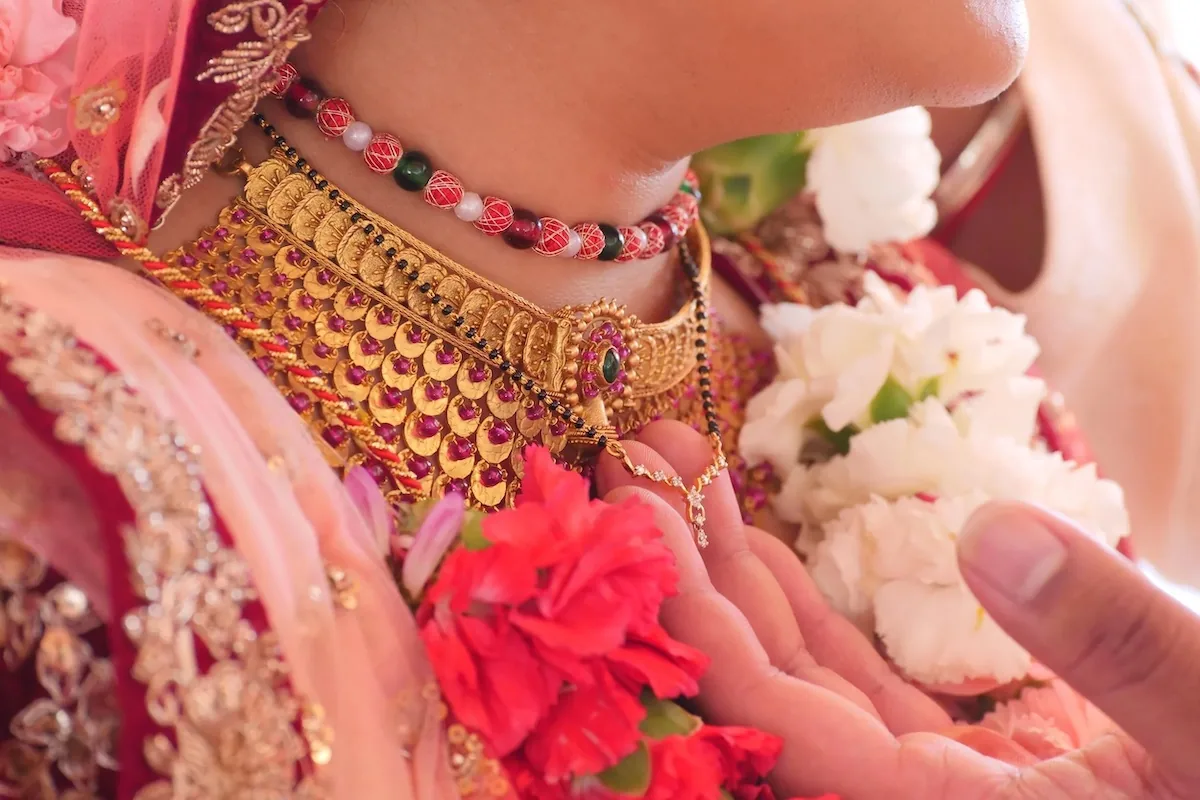
Multi-day: mehndi, sangeet, haldi, ceremony (with baraat, varmala, mandap, saptapadi, vidai), reception. For most of our South Asian couples, the saptapadi and vidai are the non-negotiables — that's where the best emotional frames live. We position ourselves for those the moment we arrive.
The baraat is visually the most rewarding event but logistically the hardest. Horse, music, 50 relatives dancing backwards toward a venue — we scout that route before it starts.
Jewish weddings
Key moments: ketubah signing, bedeken, chuppah ceremony, circling, breaking of the glass, hora. We plan camera positions for Jewish weddings around two specific moments — the bedeken (which is intimate, fast, and usually indoors) and the breaking of the glass (which is one-take, no redo). The hora is where the party turns on; longer lens, stand back, let the energy be the subject.
Chinese weddings
The tea ceremony is where the formal storytelling lives. Couple presents tea to elders, receives blessings and red envelopes, bows. It's quiet, interior, and the light is usually mixed tungsten/window — we scout it and usually add a small bounce.
Islamic weddings
Nikah is a quiet contract ceremony — the visual story is less in the ceremony itself and more in the surrounding events (henna night, walima). We pay close attention to Islamic wedding families around gender-separated spaces and confirm with the couple what we can and can't photograph.
Latin American weddings
Lazo ceremony, arras (coins), padrinos, mariachi. The lazo moment — figure-8 rosary placed over the couple — is short and doesn't repeat. Camera position locked before it starts.
Nigerian and West African weddings
Often two full weddings: traditional (engagement/dowry ceremony) and the "white wedding." We plan for both, and for the outfit changes that go with them. Aso-ebi coordination makes for some of the most visually rich guest photos you'll ever shoot.
Multicultural fusion
Hindu-Jewish, Korean-American, Nigerian-Italian. Fusion weddings require a longer planning call because you're choreographing two sets of rituals into one timeline. The rule we use: whichever ritual carries more emotional weight for this specific couple gets the prime light window.
Family portraits: build a longer window
At most Anglo weddings, family portraits are 20–30 minutes, maybe 12 groupings. At most cultural weddings, the extended family matters more — aunts, uncles, first cousins, cousins' spouses, grandparents from both sides, sometimes in-laws' families.
Plan 45–60 minutes. Build the shot list with the couple's mothers, because they know who has to be in what photo. Run the groupings in language the officiant can announce if needed — Mandarin, Hindi, Spanish, Yoruba. Couples appreciate when we can call names correctly rather than point.
The camera positions that can't be redone
Every cultural ceremony has 3–6 moments that happen once, fast, and can't be re-enacted. We map these the day before:
- Hindu: saptapadi (seven steps), varmala exchange, sindoor application, vidai (bride's departure)
- Jewish: bedeken (veiling), ring circling, glass breaking, signing of the ketubah witnesses
- Chinese: first tea pour to elders, receipt of red envelope
- Latin: lazo placement, arras exchange
- Nigerian: presentation of the bride, prayer by elders
- Korean: paebaek (bowing ceremony), jujube-throwing
Missing any of these is not recoverable. This is why "we'll figure it out on the day" isn't a plan.
Multi-day coverage is its own conversation
A Hindu wedding weekend with mehndi, sangeet, ceremony, and reception isn't "a wedding with extra events" — it's four distinct shoots, each with different light, outfits, and emotional arcs. Budget accordingly:
- 2-day coverage (sangeet + ceremony/reception): 12–16 hours total
- 3-day coverage (mehndi + sangeet + ceremony/reception): 20–28 hours
- 4-day coverage (haldi + mehndi + sangeet + ceremony/reception): 30+ hours
Many of our multi-day couples also add a second shooter for the ceremony day specifically — too much happens simultaneously during a 1,200-person wedding to cover solo.
FAQ
If your wedding honors a tradition you want photographed by someone who'll do the work to get it right — start a conversation.
Planning your wedding?
Get a personalized quote from our team