Luxury Cars That Make Your Photoshoot Unforgettable
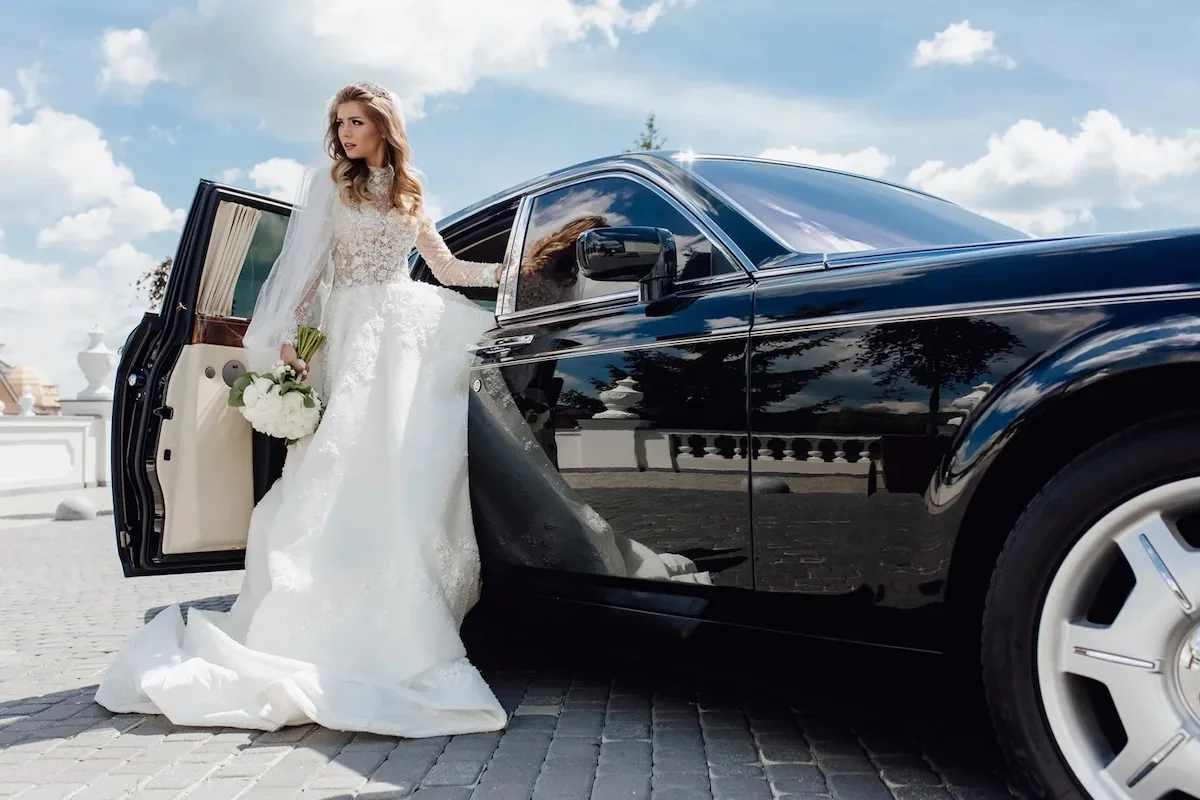
A luxury car in a photoshoot frame changes everything about the image. It adds scale, texture, implied story, and a color palette you didn't have to design. When it works, it looks cinematic. When it doesn't, it looks like a prop rental — which is what kills most car-themed sessions that go wrong.
Here's when it actually earns its place, how to shoot around it, and the four setups that consistently produce frames worth the fee.
What's changing
Cars as photo elements have been around forever. What's shifted in the last five years is availability — more photo-friendly rentals, more couples willing to commit to a styled engagement or branding session, more Instagram-driven demand for imagery that looks like a fashion campaign.
We've shot them across Miami, LA, and New York. Here's what we've learned.
Why it matters for couples
A luxury car in the right frame produces three things you can't get easily any other way:
- Scale. The subject occupies a smaller fraction of the frame, which makes them feel more cinematic.
- Color anchor. The car gives the palette somewhere to sit — especially powerful in neutral or overexposed outdoor settings.
- Implied narrative. A person stepping out of a classic car tells a story before the shutter clicks.
If those don't matter for your session, don't bother. The car is only worth it when the frames need what it provides.
How we shoot it
The four setups that always work
- The exit frame. Subject opening the door, one foot down, the other still inside the car. Mid-distance shot. This is the single most reliable car frame.
- The lean. Subject against the fender or the hood, side-lit. Works better than leaning against the side of the car because the light wraps cleanly.
- The walk-away. Subject walking away from the parked car toward camera. Puts the car in soft background focus and makes it feel environmental instead of posed.
- The interior through a window. Shot from outside, subject visible through an open door or driver's window. Creates depth and a natural frame within the frame.
Setups that usually fail
- Both subjects sitting in the car looking at camera. Always feels costumed. Avoid.
- Driving shots from the hood. Unsafe and rarely looks good. Skip.
- Overhead drone of the car. Works for the car, not for the people. If you want a drone shot, shoot the subject somewhere else.
Where it works best
- Engagement sessions. Full afternoon, stand-alone shoot, time to do it properly.
- Branding content. Personal branding, commercial portraits, styled editorial.
- Pre-wedding styled shoots. The day or weekend before the ceremony, not on the day itself.
- Anniversary sessions. Couples recreating or revisiting a shoot years in.
Where it doesn't
- The wedding day itself. Skip it. The logistics eat the portrait window.
- Kid-focused family sessions. Kids climb on cars, which stresses out the rental company.
- Small intimate shoots with a documentary feel. The car overwhelms the emotional register.
A quick note on locations
Different cities give you different car-photo aesthetics:
- Miami: palm-lined streets, Art Deco, bright daylight. Best for classic convertibles and muscle cars.
- Los Angeles: canyon roads, downtown architecture, mid-century modernist homes. Best for vintage European cars.
- New York: street scenes, downtown loading docks, rooftop parking. Best for sedans and classic taxis.
- Any rural location: dirt roads, open fields, barn doors. Best for vintage trucks and 4x4s.
Frequently asked questions
A car can make a frame unforgettable. It can also make the frame look like a rental ad. The difference is in how you shoot it.
Planning your wedding?
Get a personalized quote from our team