What temperature range should you expect for a winter wedding ceremony?
Winter ceremonies typically run 30–50°F depending on your location and time of day. Early December is warmer (40–50°F); January–February is coldest (25–40°F). Sunset in winter happens by 5pm, so evening ceremonies risk dropping below freezing. Plan for cold and provide heating.
Winter temperatures vary dramatically by region and date. Southern regions (Georgia, the Carolinas) might stay 40–55°F even in January; northern regions (New England, upstate New York) can hit 20–30°F. Early December feels more like fall (45–55°F); by January, you're genuinely dealing with cold. Sunset hits around 5pm in December and 5:15pm in February, so an evening ceremony at 5:30pm means dusk falls during your reception. If your ceremony is outdoors, expect guests in coats and consider a heated tent with heaters or fire pits. Indoor ceremonies with outdoor cocktail hours (limited to 20–30 minutes) work; longer outdoor time in winter cold feels punitive. Brief guests on the temperature in your invitation ('Bundle up, it'll be 35°F'). Have blankets or pashminas ready. The upside: winter light is low and golden all afternoon, perfect for photography.
How do heated tents and outdoor heaters affect winter wedding costs?
A heated tent runs $3,000–$10,000+ depending on size and heating method (propane heaters, infrared, or heated floor panels). Outdoor heaters alone cost $500–$2,000. Budget 15–25% extra for winter logistics compared to a comparable summer wedding.
Winter's biggest cost adder is heating infrastructure. A modest heated tent (20x40 feet) starts around $3,000–$5,000 for basic tent + propane heaters; larger tents or higher-end systems (floor heating, enclosed sides) run $8,000–$15,000. If you're doing an outdoor ceremony under a tent with heating, add another $1,000–$3,000 for the ceremony-specific setup. Outdoor heaters alone (infrared or propane models for cocktail areas) cost $500–$2,000 to rent. These costs add up fast. Some couples solve this by doing an indoor ceremony and reception with a very brief outdoor moment (like a few minutes of photos or a quick cocktail hour outside), which dramatically reduces heating costs. Others lean fully into the winter outdoor aesthetic, a Christmas market vibe, ice sculptures, fire pits, and budget generously. Know the heating costs upfront so you're not shocked; they're often the second-largest expense after catering for winter weddings.
What happens to flowers and greenery in winter cold?
Delicate flowers freeze and die quickly in sub-40°F temperatures. Winter weddings rely on hardy flowers (roses, amaranthus, evergreen branches) and greenery. Avoid outdoor displays longer than 30–60 minutes. Florals in unheated tents will wilt; they need heated spaces or brief exposure.
Winter outdoor florals are trickier than summer ones. Peonies, hydrangeas, and tropical flowers freeze solid and shatter. Winter-appropriate flowers include garden roses, hypericum berries, amaranthus, celosia, and spray-painted branches. Lots of greenery (eucalyptus, ruscus, evergreen branches) lasts well in cold. If your ceremony is outdoors in 35°F weather and lasts 30 minutes, your bridal bouquet and ceremony flowers need to be hardy enough to survive that. Centerpieces kept indoors until the last moment, then brought out for photos briefly, fare better than leaving them outside the whole reception. Some couples skip fresh florals altogether and use branches, berries, candles, and greenery, equally beautiful and more practical for winter. Discuss cold tolerance with your florist early; they'll design with winter durability in mind. Expect winter flowers to cost more (they're less available) and require more infrastructure (refrigeration, heating, misting).
How do you style a winter wedding dress without looking costume-like?
Layer with a white or cream faux-fur stole, a silk wrap, or a structured cape over your dress. Add opaque tights and closed-toe heels if you prefer. Skip cartoonish holiday colors or excessive glitter; stick to classic winter whites, ivories, and jewel tones as accents.
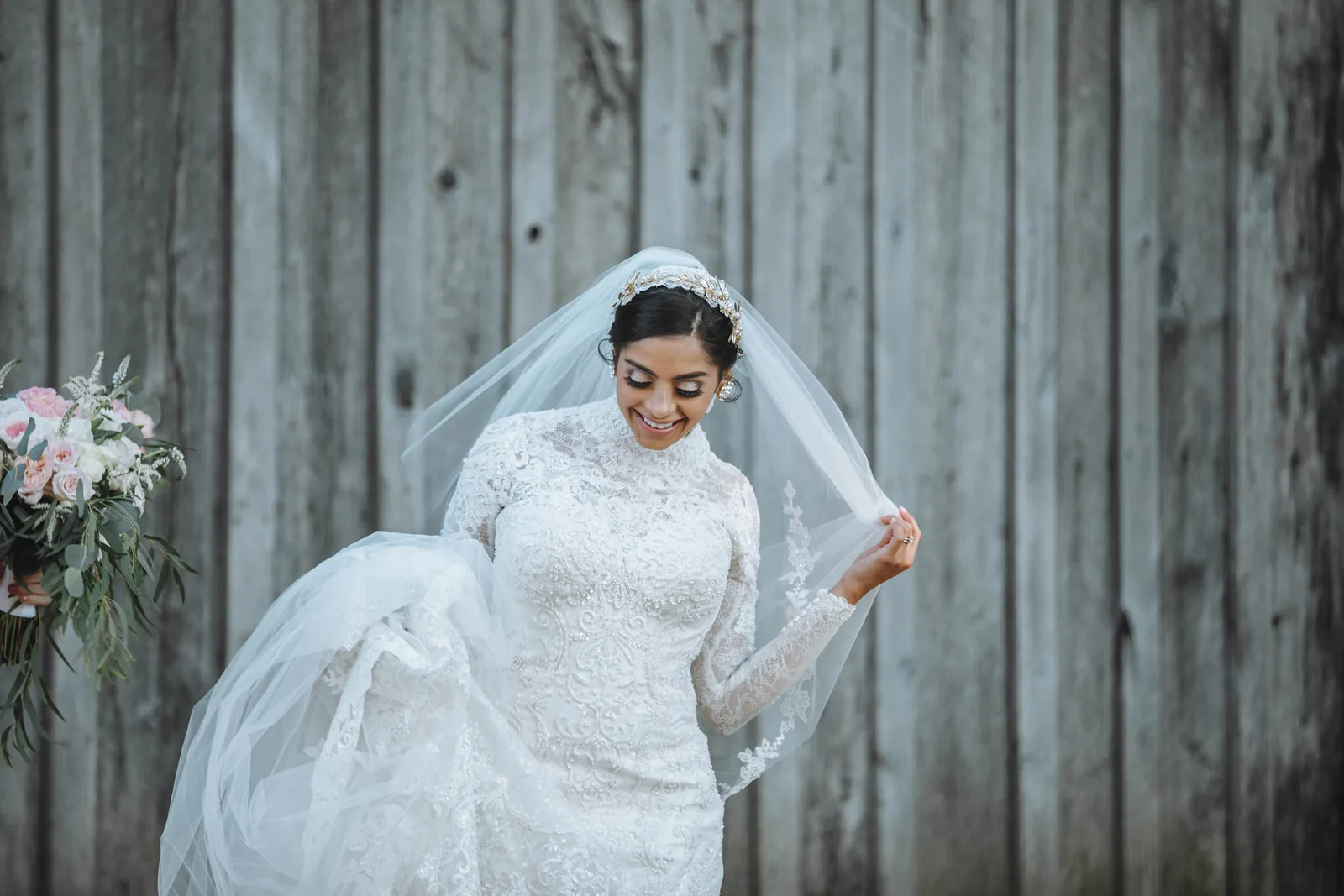
Winter wedding dresses require intentional layering. A sleeveless gown in 35°F weather is miserable, so a faux-fur stole (chic, rents for $100–$300), silk shawl, or structured cape becomes functional and stylish. Tights (opaque, neutral) look intentional if chosen, accidental if hastily added. Closed-toe heels or boots replace sandals. Avoid anything costume-like (fake-fur trim that reads as Halloween, excessive sparkle, holiday-specific colors). The most elegant winter brides keep the dress classic (ivory, champagne, soft gray) and let layering do the work. Some prefer a more dramatic look, jewel-tone dress, dramatic cape, statement jewelry, which reads luxe rather than costume. The key is intention: choose the look upfront and execute it fully, rather than throwing a random coat over a summer dress. Your photographer will appreciate a coordinated winter aesthetic.
What photography challenges does winter weather create?
Winter sun is low and short-lived (sets by 5pm), limiting daylight for outdoor photos. Snow can cause white-balance issues in photos. Cold equipment performs worse; batteries drain faster. Brief your photographer on these realities and consider indoor portraits as a backup.
Winter photography demands adjustments. Golden-hour light (the most flattering for couples) hits around 2–4pm in December and January, giving you maybe a 2-hour window. If your ceremony is 2pm and reception is 5pm, couple portraits must happen 2:30–4:30pm or you're shooting in dusk. If your ceremony is evening, you're photographing in artificial light. Snow creates underexposure issues (cameras meter the bright snow and underexpose the couple), good photographers compensate, but it's a technical challenge. Cold kills batteries, especially mirrorless cameras; your photographer brings spares. Frozen ground or snow can damage camera equipment if you're not careful. Brief your photographer on your timeline and ask how they'll handle the short daylight. Some couples do getting-ready and couple portraits in a heated indoor space, saving outdoor time for critical shots only. This removes the weather variable and guarantees quality portraits.
How far in advance should you book a winter wedding?
Winter (November–February) is the low season for weddings, so you can often book 9–12 months ahead instead of the 18–24 months typical for summer. This is your advantage, better vendor availability and sometimes discounted rates.
Winter is the least competitive season for weddings. December is moderately busy (holidays, New Year's parties pull some vendors), but January–February are genuinely quiet. You can often book a winter wedding 9–12 months ahead and secure your first-choice vendors. Some venues and vendors offer 10–20% discounts for winter dates as incentive. This is your strategic advantage: if you want your top photographer and venue at a lower price point, winter is the window. The only constraint is holiday timing, December 20–January 2 is extremely booked (families travel, holidays fill schedules); book that window earlier if it's your target. January 15–February 28 is the sweet spot for availability and negotiating power. Take advantage and book early to lock in your vendors at off-season pricing.