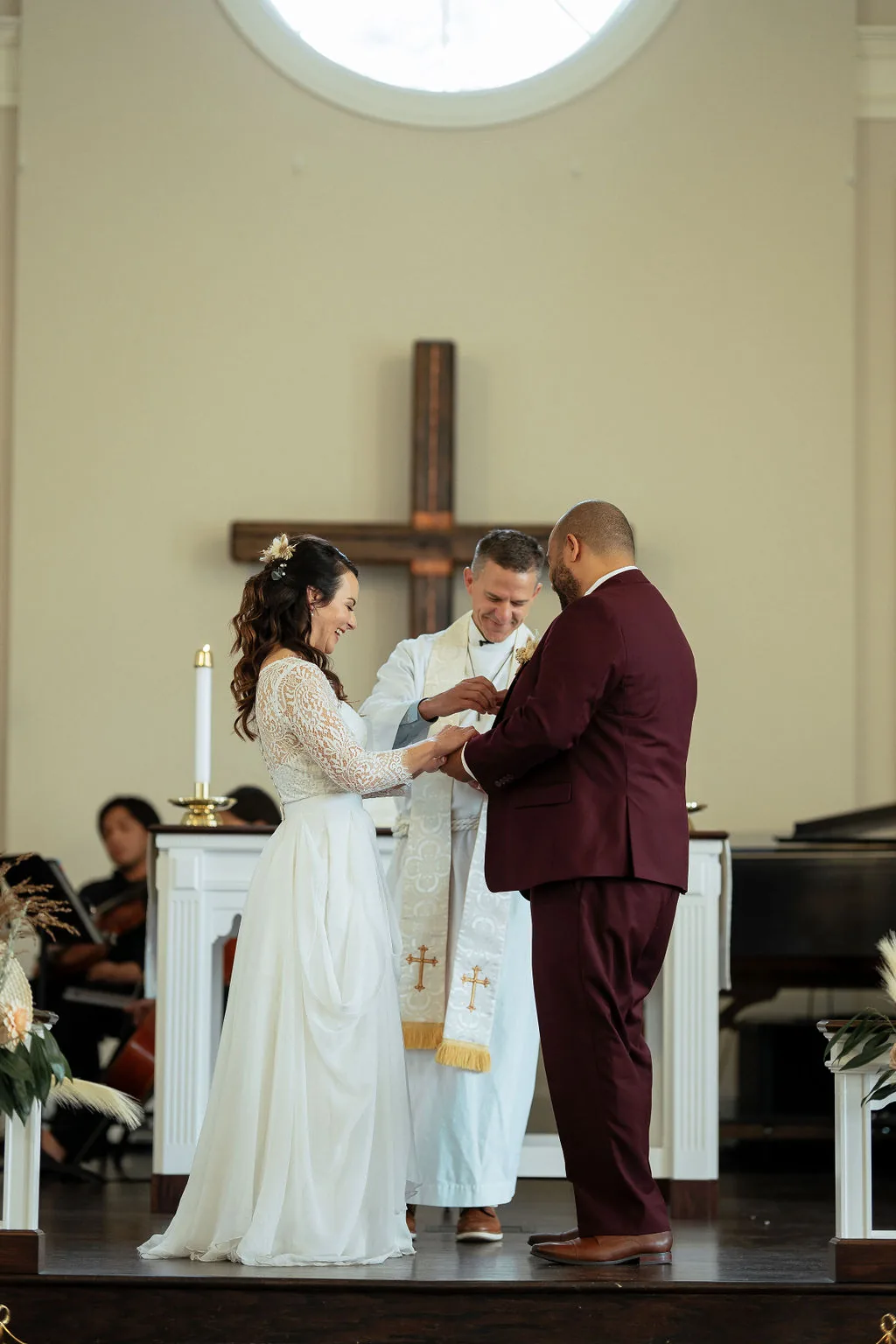
How early should we scout our wedding venue with the photographer?
Visit at least 4–6 weeks before the wedding, ideally at the same time of day your ceremony or reception will happen. Your photographer needs to understand light angles, see where natural light enters the space, identify photo spots, and understand the venue's layout.
Light changes dramatically depending on time and season. A reception at 7 PM looks different in June versus September. Scout at the actual time you're scheduled to see real lighting conditions. Bring your photographer or at least discuss your venue's specific light situation with them over email or phone, windows, skylights, overhead fixtures, and outdoor backdrops all affect how they'll approach your day. If your venue's indoors, ask about the ability to dim certain areas or open curtains. A thorough walk-through takes 30–45 minutes and is worth the time investment.
What questions should we ask a venue about their photography policy?
Ask if there are restricted areas during ceremony, if strobes (flash) are permitted, if the photographer needs liability insurance, what time they can access the space, and if there are power outlets available. Also ask about parking for the photography team.
Some venues have strict policies: no photography during the ceremony (certain churches), no flash in specific rooms, or limited access to ceremony spaces until a certain time. Confirm whether your photographer can use tripods, whether they need to stay behind a designated line during your vows, and if they'll have easy access to restrooms and water. Ask about power outlets for lighting or charging, and whether the venue provides a space for your photographer to store equipment. These details prevent surprises on the day and let your photographer plan their angles in advance.
How much of the venue should our photographer shoot during getting ready?
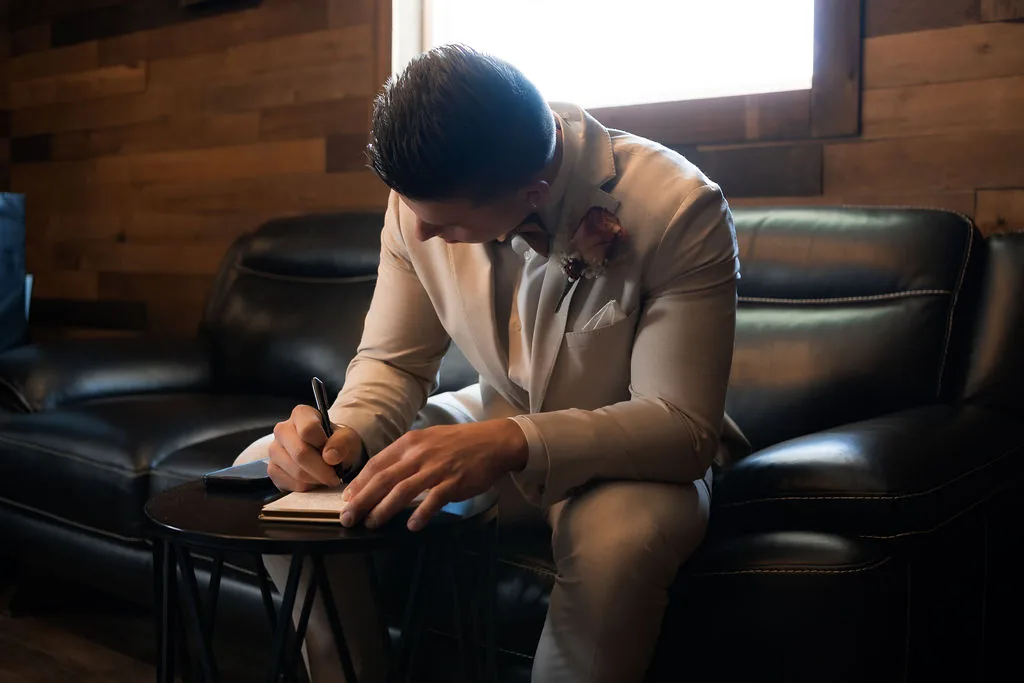
Plan for 15–30 minutes of detail shots: your dress, rings, shoes, florals, and venue décor before the ceremony. Your photographer shouldn't spend hours on details if you've only booked 8 hours total, it eats into ceremony, couple portraits, and reception coverage.
Detail shots are pretty and important for albums, but they're also time-sensitive. If you want extensive detail photography, book extra hours or start earlier in the day. A typical timeline: 15 minutes of getting-ready details (dress, rings, florals), 20 minutes of first looks or alone time for couple portraits, 45 minutes for family formals, then ceremony and reception. Your photographer should know your venue well enough to find the best light for detail shots, a window in your bridal suite, a corner of the venue, or the ceremony backdrop. If your venue is small, they might not have much room to shoot; if it's large, they'll have more options.
What's the best backdrop or space at a venue for couple portraits?
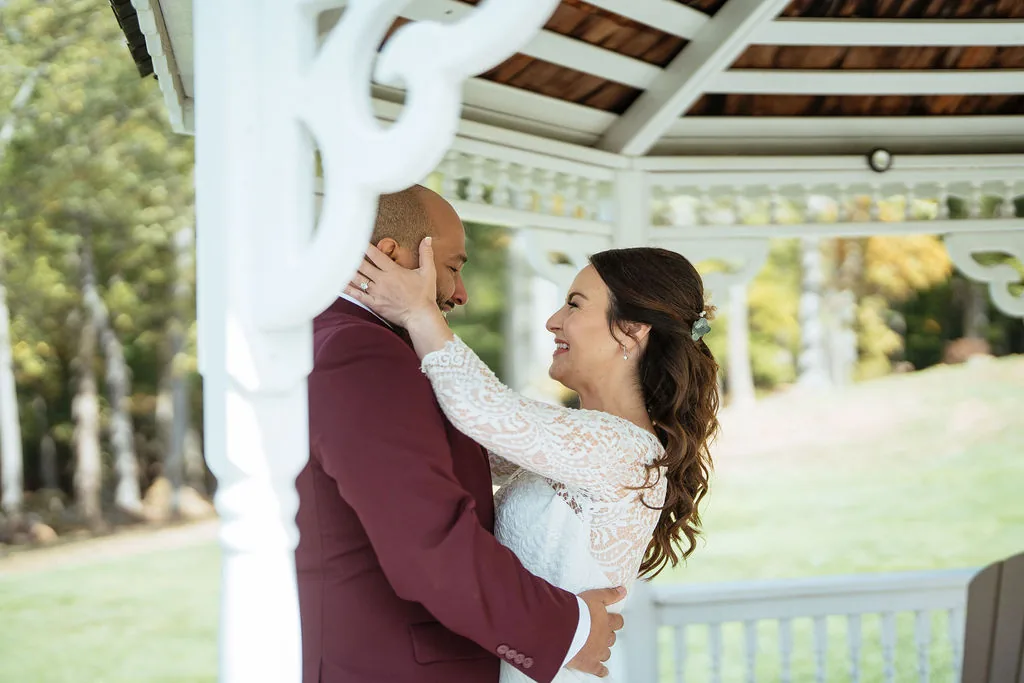
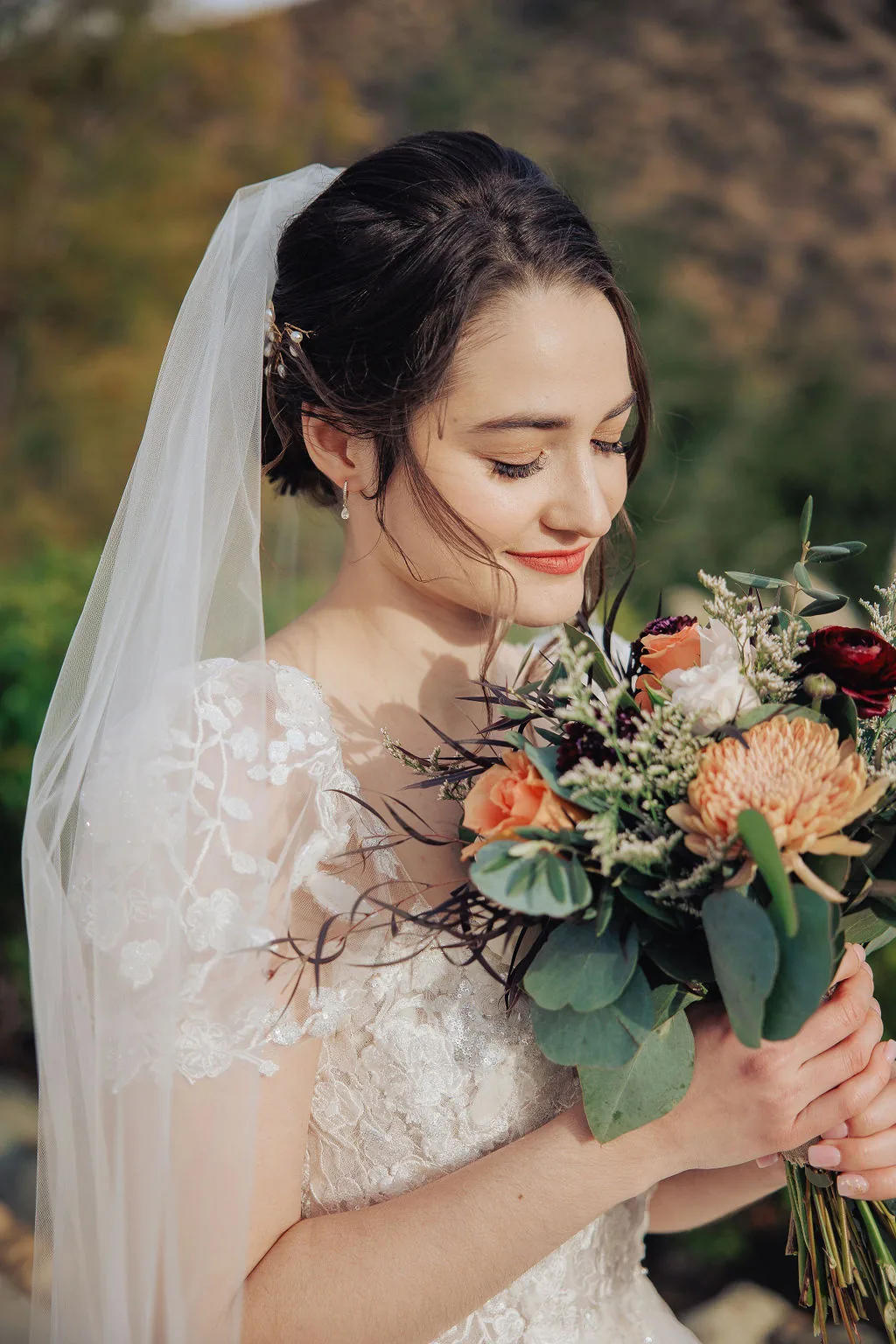
Look for a spot with natural backlight or soft side light, a clean background (not busy décor), and some distance between you and the background so you're in focus. Window light, outdoor gardens, and undecorated ceremony backdrops usually work best.
Your photographer will often ask your venue for permission to use the ceremony backdrop after the service ends, or they'll scout a separate location during the getting-ready phase. Good portrait locations have directional light (not harsh overhead), depth (trees, architecture, or sky behind you), and minimal visual clutter. If your venue doesn't have an obvious spot, ask about an adjacent garden, corridor, or parking area with greenery. The best light usually happens within an hour of sunrise or sunset. If you're getting dressed indoors, your photographer might use lobby areas, stairwells, or windows for couple photos before the ceremony.
Should we give our photographer a shot list, and how detailed should it be?
Yes, a simple list of 8–12 key moments (ceremony, first kiss, cake cut, first dance, family dances) helps. Don't over-script it with 50+ specific shots. Trust your photographer's experience and let them capture moments naturally.
Experienced photographers already know what matters: the ceremony, important family moments, couple interactions, and reception highlights. A shot list helps them prioritize if time gets tight or if multiple things happen simultaneously. List what matters to you and your family (specific family portraits, a shot with your pet, your detail photos). Skip trying to prescribe every angle, your photographer's job is to anticipate moments and capture them with their artistic eye. Give them the list a few weeks ahead so they can ask questions and understand your preferences.
How do we prevent our venue's décor from looking too busy or distracting in photos?
Ask your photographer to frame shots with negative space (blurred backgrounds) and position you in front of clean areas, not cluttered backdrops. Work with your florist to keep décor elegant rather than overwhelming, so portraits aren't fighting with the scenery.
Photographers use aperture and focal length to blur busy backgrounds (bokeh), so your face stays sharp even if the backdrop is complex. During your venue scout, point out areas you want photographed and ask your photographer to identify clean backdrops for portraits. Too much décor, especially competing colors or patterns, makes photos feel chaotic. A refined approach often looks better: strategic focal-point installations rather than covering every surface. Talk with your florist about décor 'zones' so that key photo areas (ceremony backdrop, portrait location, entrance) feel intentional and aren't overshadowed by the rest of the room.