How do you even start narrowing down a wedding theme when there are hundreds of options?
Begin with yourself: What season speaks to you? What colors make you happy? What's one word describing your relationship, adventurous, classic, intimate, artistic? Your theme should reflect who you are, not Pinterest.
Start with non-negotiables: season (spring garden vs. autumn harvest); location feel (modern, rustic, tropical); and a mood you want to create. If you love the outdoors, a garden or woodland theme makes sense. If you're art collectors, an industrial or gallery vibe fits. Spend a week noticing what captures your eye, not just weddings, but restaurants, hotels, photo books. Do you gravitate toward warm tones or cool tones? Structured or flowing? Let patterns emerge naturally. Then look at themes that match. Avoid forcing a theme because it's trending.
Can you use multiple themes or is that too much?
You can blend themes, say, vintage meets garden, or modern meets bohemian, provided that a cohesive color palette and overall aesthetic hold them together. Two complementary themes work well; four separate ideas become disjointed.
The unifying thread matters more than sticking to one named theme. If you love both industrial elements (exposed brick, metal fixtures) and bohemian vibes (flowing fabric, natural florals), you can blend them if they share colors and a mood. Define your color palette first (say, blush, sage, and cream), then pull décor from both aesthetics within that range. What fails is mixing industrial with romantic garden without connecting colors or style, it reads muddled. One cohesive palette with layered influences beats four competing ideas completely.
How much does your venue choice limit your theme options?
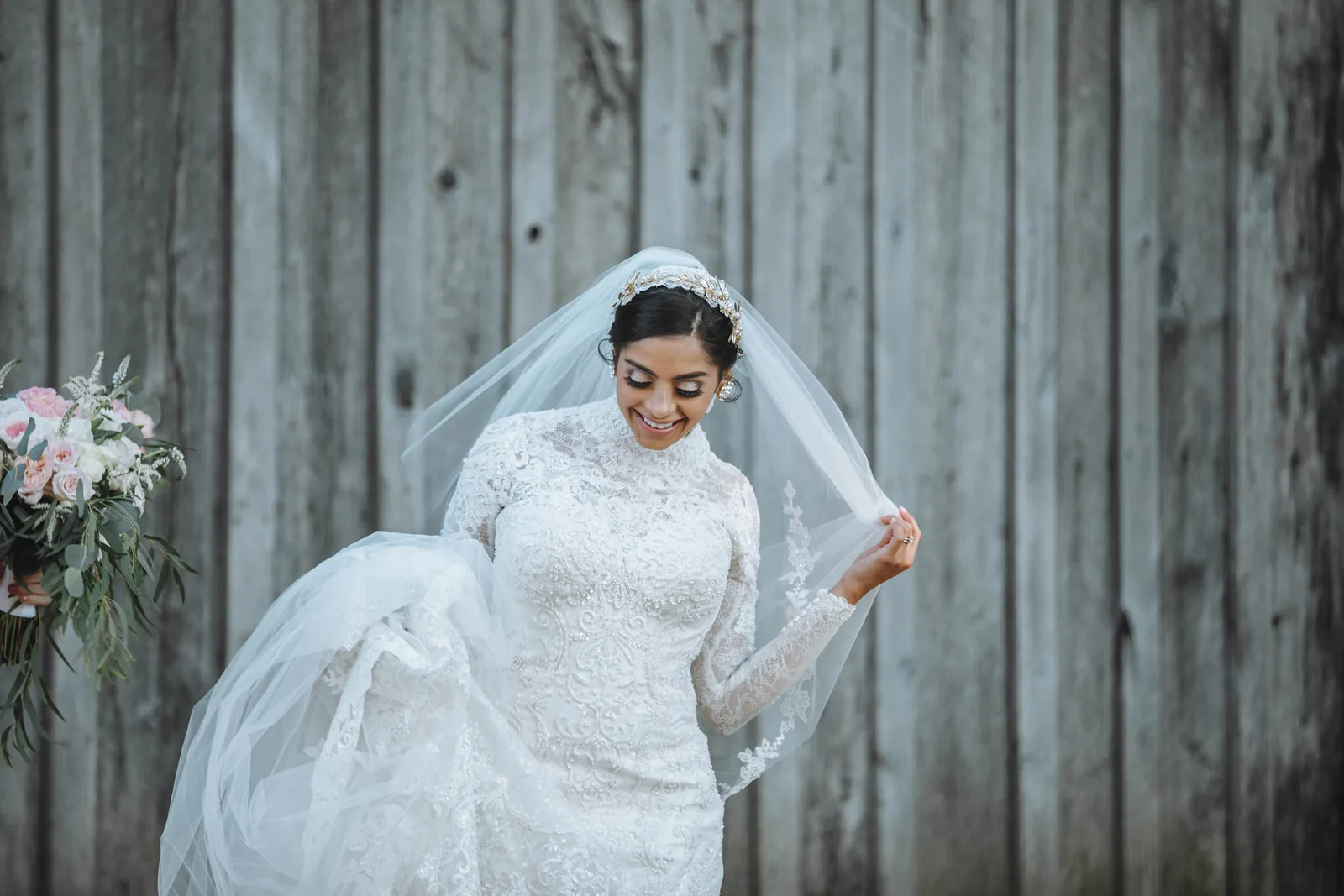
Your venue is your foundation. A historic mansion lends itself to elegant or vintage themes; a barn works for rustic or boho; a loft suits modern or industrial. You're working within the space's existing character.
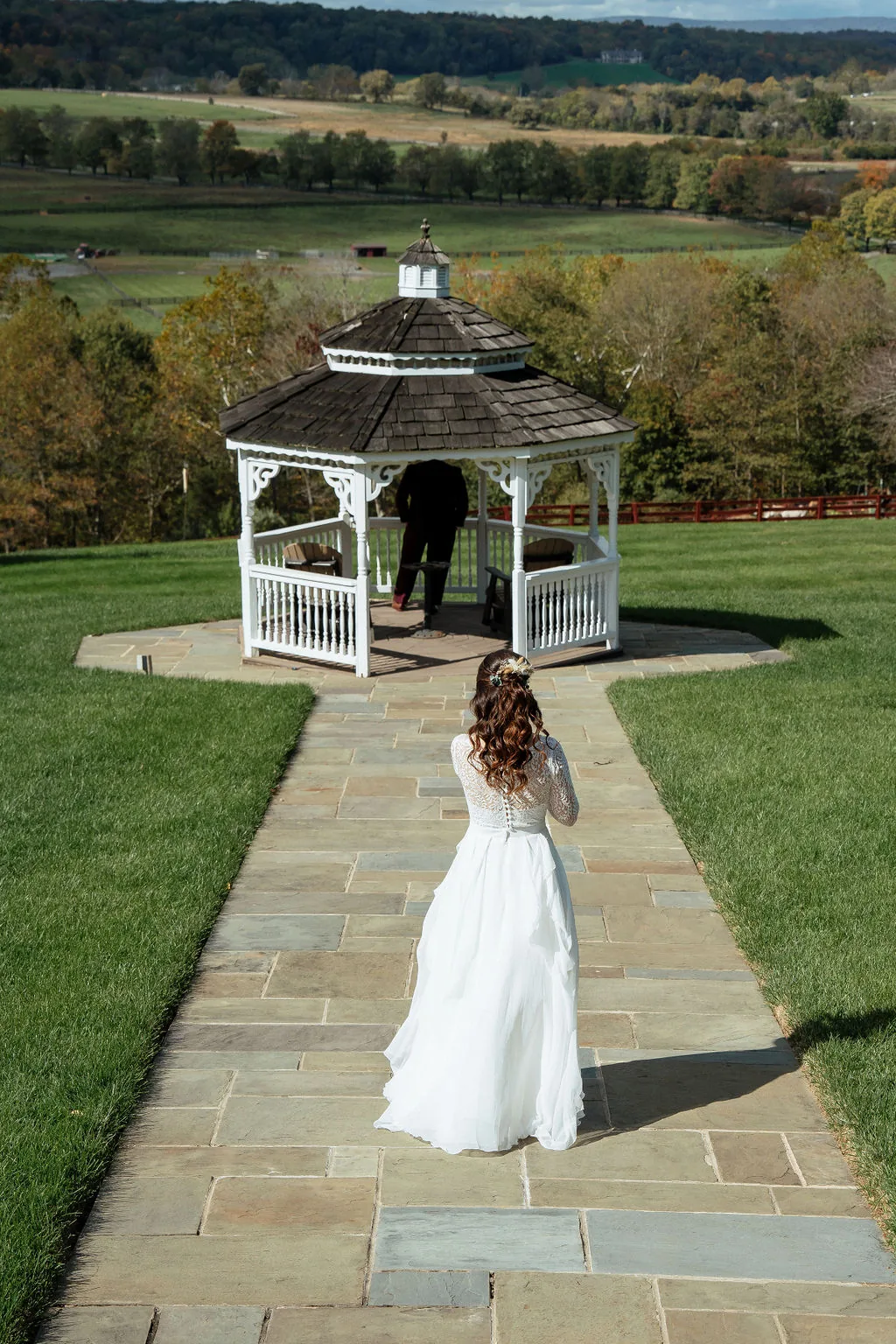
If you book a venue first, your theme should complement it rather than fight against it. A Gothic cathedral doesn't need heavy decoration, it's already dramatic. A blank loft gives you total creative freedom. If you're choosing venue and theme together, think strategically: dark moody themes work in intimate spaces; light, airy themes need height and natural light. Budget matters too, a garden theme in an outdoor space is cheaper than transforming a warehouse into a garden. Pick your venue knowing it'll influence your design significantly.
How do you make sure your theme isn't overdone or cliché?
Pick a theme you genuinely love, then layer in personal details, your hobbies, your story, your family traditions. A generic rustic becomes uniquely yours when it reflects your actual life and values.
Generic rustic (mason jars, burlap, hay bales) feels cliché because it's the default. But a rustic wedding celebrating your grandparents' farm, with vintage family photos, heirloom flowers, and your favorite foods, tells your story. Luxury black-tie is classic for good reason, but adding a color palette you love or a detail that matters (a first-dance song that's meaningful, flowers your mom grew) makes it memorable. Every wedding should have 10–15 personal touches that make guests understand you. That's what separates theme from authentic identity.
Should your theme match your engagement party or shower, or can they be different?
They don't have to match perfectly. Your engagement party and shower can hint at your wedding theme or stand alone independently. Just make sure there's a visual thread, similar colors or mood, so events feel intentionally connected.
Many couples use showers and engagement events to preview their wedding theme, it builds excitement and shows guests what to expect. But you don't need identical décor. If your wedding is moody garden, your shower could be garden-adjacent but lighter and more casual. A consistent color palette (say, blush and sage across all events) creates cohesion without repetition. Some couples intentionally keep early events simple and save all design energy for the wedding day. What you avoid is a garden-themed shower, then a completely different modern-luxury wedding, it creates visual dissonance.
How do you commit to a theme without second-guessing yourself six months before the wedding?
Lock in your theme by month four of planning, then shift focus to execution details instead of rethinking the entire concept. Look at completed inspiration boards and vendor samples to reinforce your choice.
Theme indecision often stems from overthinking. You picked something that resonated, trust it. By month four, you've done research and talked it through; changing at month eight means reboking vendors, redesigning florals, and stressing your planner. Instead of second-guessing, invest in refining: pick exact colors, review vendor portfolios showing your theme executed well, visit venues or see décor mockups. Small tweaks (adjusting a shade of blush or swapping flowers within your color scheme) are fine and normal. But complete theme pivots are avoidable if you commit earlier.