How much time do you actually need to plan a wedding?
The ideal timeline is 12–18 months, allowing time to book top vendors, make thoughtful decisions, and manage unexpected complications. You can plan a wedding in 6 months, but it's stressful and limits vendor availability. Shorter timelines are possible with part-time planning coordination.
Eighteen months gives you breathing room, the best photographers book 12–18 months ahead, giving you spring to book before summer's peak season. Seasonal venues fill 12–15 months out. With 18 months, you can select vendors without desperation, make changes if needed, and actually enjoy your engagement rather than constantly planning. Twelve months is tight but workable for organized couples. Six months means your first-choice vendors are booked elsewhere, you're making rushed decisions, and you have zero buffer for changes. You can do it (we've seen it), but that timeline requires a planner or coordinator to manage logistics. Shorter than six months significantly limits your options and ramps up stress.
What should I tackle first in the first three months of planning?
Month one: decide on date and basic vision. Month two: book venue and photographer (hardest to secure). Month three: book caterer and other key vendors. Getting these foundational decisions made early prevents cascading delays.
First decisions cascade into everything else. Your date selection determines venue availability and vendor calendars. Venue choice determines capacity, parking, permit requirements, and decor possibilities. Photographer booking is most urgent because top photographers fill 12+ months ahead, don't delay. Once date, venue, and photographer are locked, other vendor timelines follow naturally. Postponing these decisions pushes everything later. Couples who book their big three (date, venue, photographer) in month two report significantly less stress than those who decide casually. You don't need final color schemes or menu selections yet, but venue and photographer locked eliminates the biggest variables.
What's a realistic timeline for actually sending wedding invitations?
Send save-the-dates 4–6 months before your wedding, actual invitations 8–12 weeks before. This gives guests time to arrange travel, request time off, and actually RSVP. Sending invitations too late creates RSVP chaos and seating headaches.
Four to six months for save-the-dates (especially if guests travel from far) gives real time to book flights and hotels. Eight to twelve weeks for formal invitations is standard timing. Guests need time to check calendars, coordinate with travel companions, and request vacation time. If you send invitations too close to the date, you'll get rushed RSVPs, last-minute cancellations, and seating chaos. Count backward from your wedding date: if you're getting married June 15th, formal invites go out early April. Save-the-dates go out December. If you skip save-the-dates, formal invites by late March. Those timelines aren't strict, but they're realistic for guest response.
When should I choose my wedding dress, and how long does alterations take?
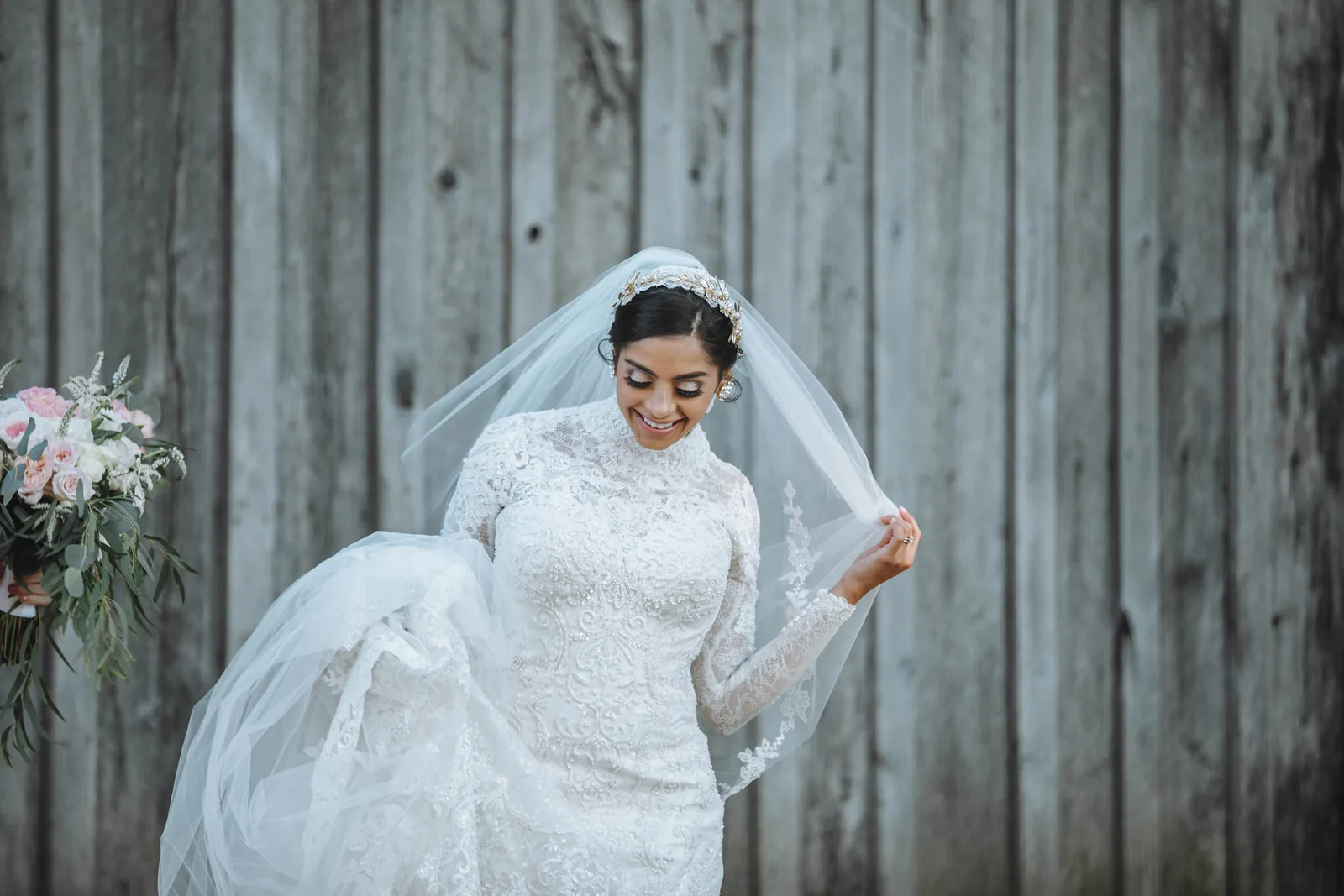
Order your dress 9–12 months before your wedding. Gown delivery takes 3–6 months, then alterations take 2–4 months depending on complexity. Getting this done early prevents last-minute panic if alterations take longer than expected.
Most wedding dresses order 3–6 months out and require 2–4 months of alterations depending on complexity (simple hem and sides = 6 weeks; extensive changes = 12+ weeks). Starting nine to twelve months before your wedding gives you flexibility. If your dress arrives and alterations take longer than expected, you have buffer. Starting too close (6 months ahead) is stressful if the gown runs late or your seamstress is booked. Budget extra time for multiple fittings if it's your first major alteration. Some brides need 3–4 fittings as weight fluctuates or the dress settles. Starting early prevents the panic of rushing alterations.
Is a wedding planning timeline different if you're having a small wedding versus a big one?
Small weddings (under 50 people) can happen in 6–9 months because you have fewer vendor decisions and less logistical coordination. Large formal weddings (150+ people) really need 12–18 months because vendor booking, seating coordination, and detailed planning take time.
A 30-person backyard wedding with a catered meal can genuinely happen in six months because you're making fewer decisions and dealing with fewer coordination points. A 200-person ballroom wedding with multiple vendors needs 15+ months because you're coordinating caterer, florist, DJ, photographer, videographer, planner, seating charts, timeline logistics. Formal affairs require more lead time for invitations, seating, and vendor communication. Intimate elopements can happen in weeks. Timeline scales with complexity, not just size, a 75-person garden party might be less complex than a 100-person formal dinner depending on your choices. Assess your actual needs (how many vendors, how much custom detail, how many guests) rather than just guest count.
What are the hardest deadlines not to miss during planning?
Photographer and venue (6–18 months ahead), wedding dress order (9–12 months), invitation timing (8–12 weeks before), and menu selections (4–6 weeks before). Missing these creates cascading stress. Everything else has flexibility.
Photographer and venue are your hardest deadlines because availability dwindles and you can't change them last-minute without losing money. Wedding dress ordering has built-in lag time (manufacturing plus alterations), so delaying costs stress. Invitations need lead time or guests can't plan travel. Menu selection deadlines are real with catering, they need final counts and dietary restrictions weeks in advance. Rehearsal coordination needs timing locks at least 2–3 weeks before. Other details (bouquet design, table decor, music selections) have more flexibility. Identify these hard deadlines on a calendar and calendar-block them. Everything else fits around them.