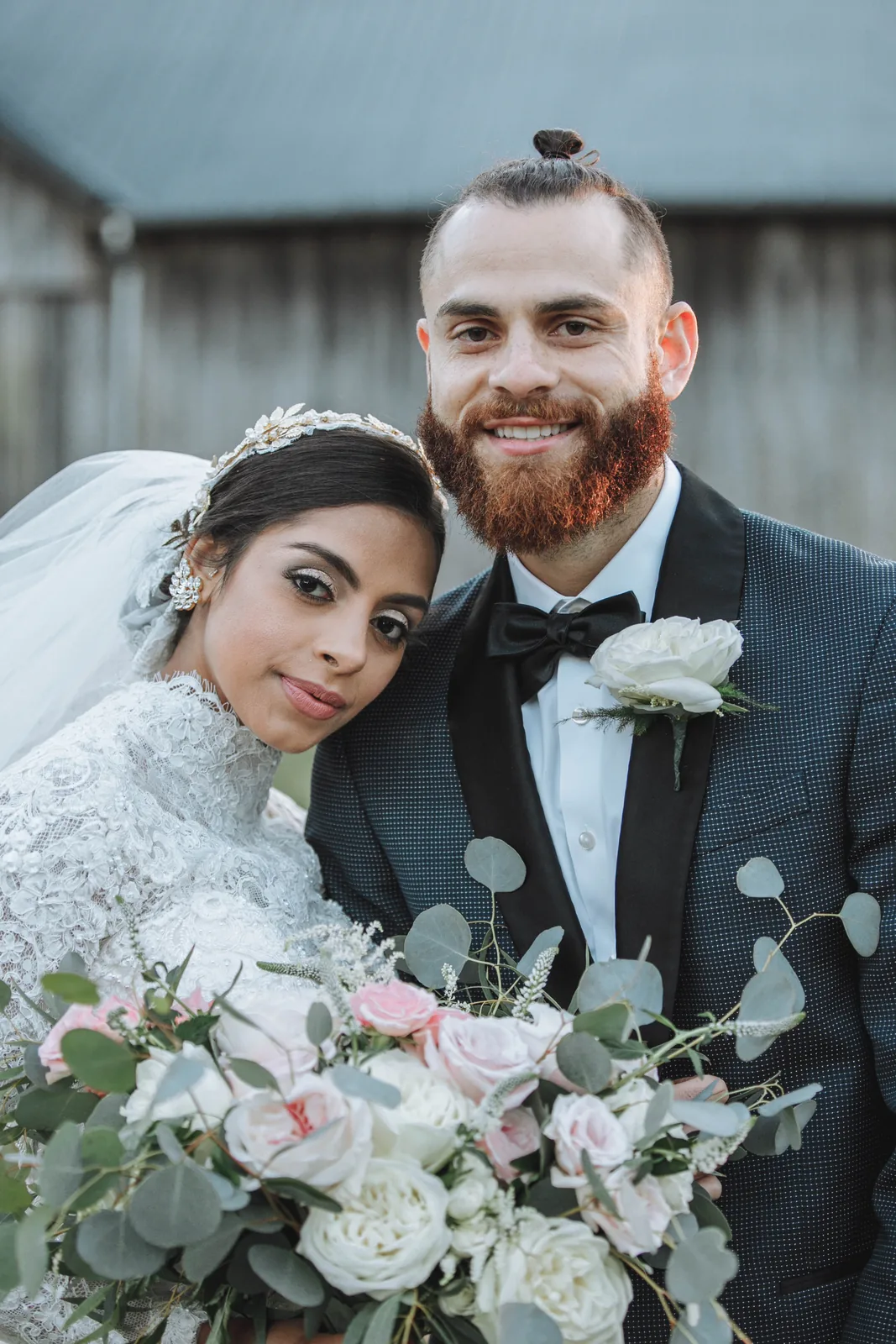
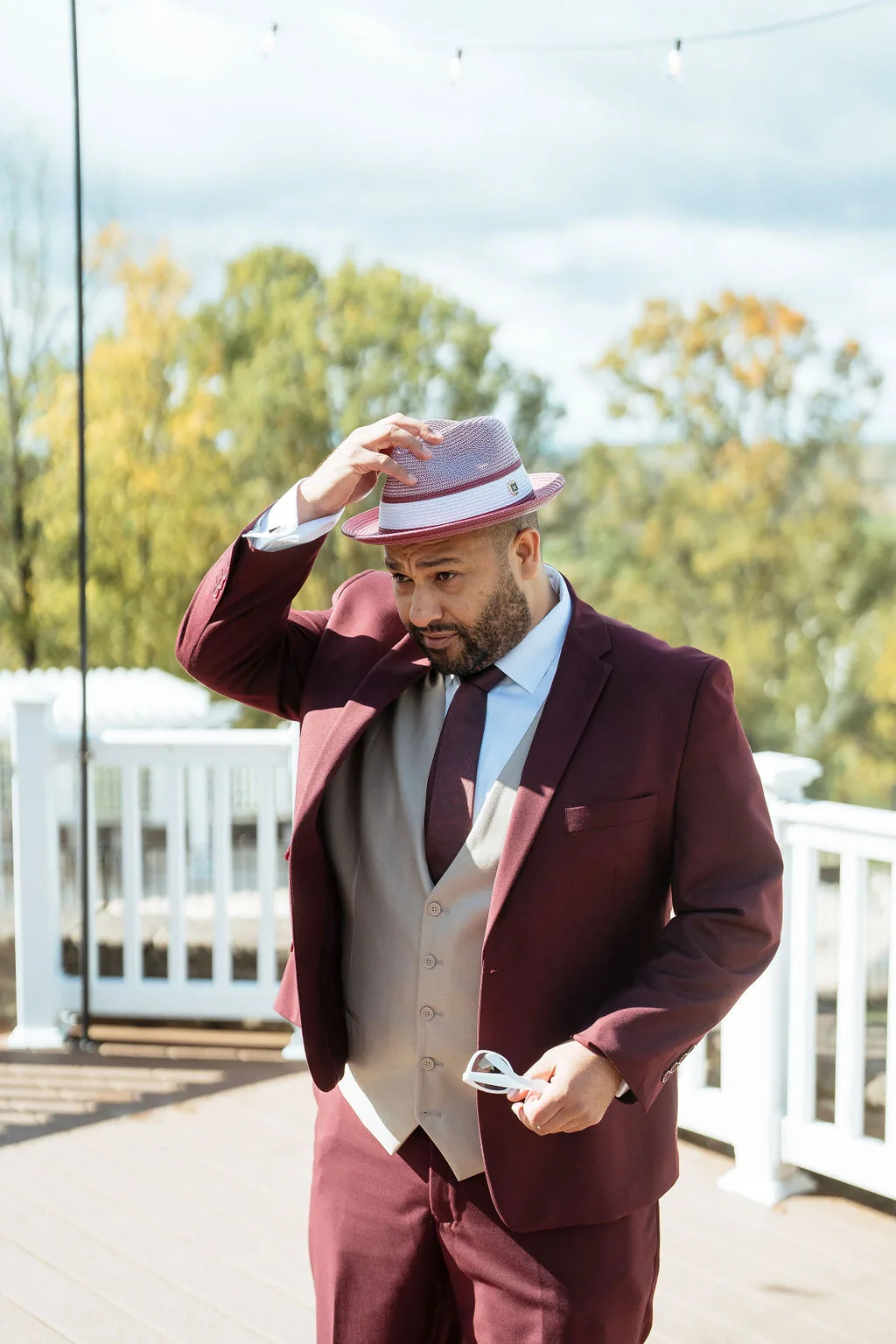
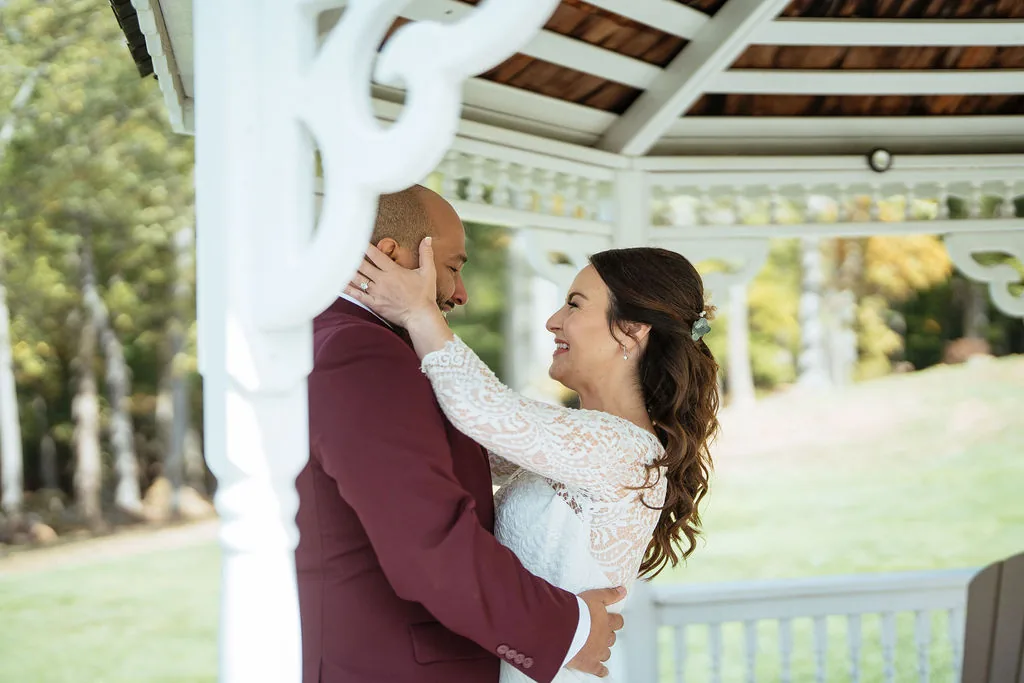
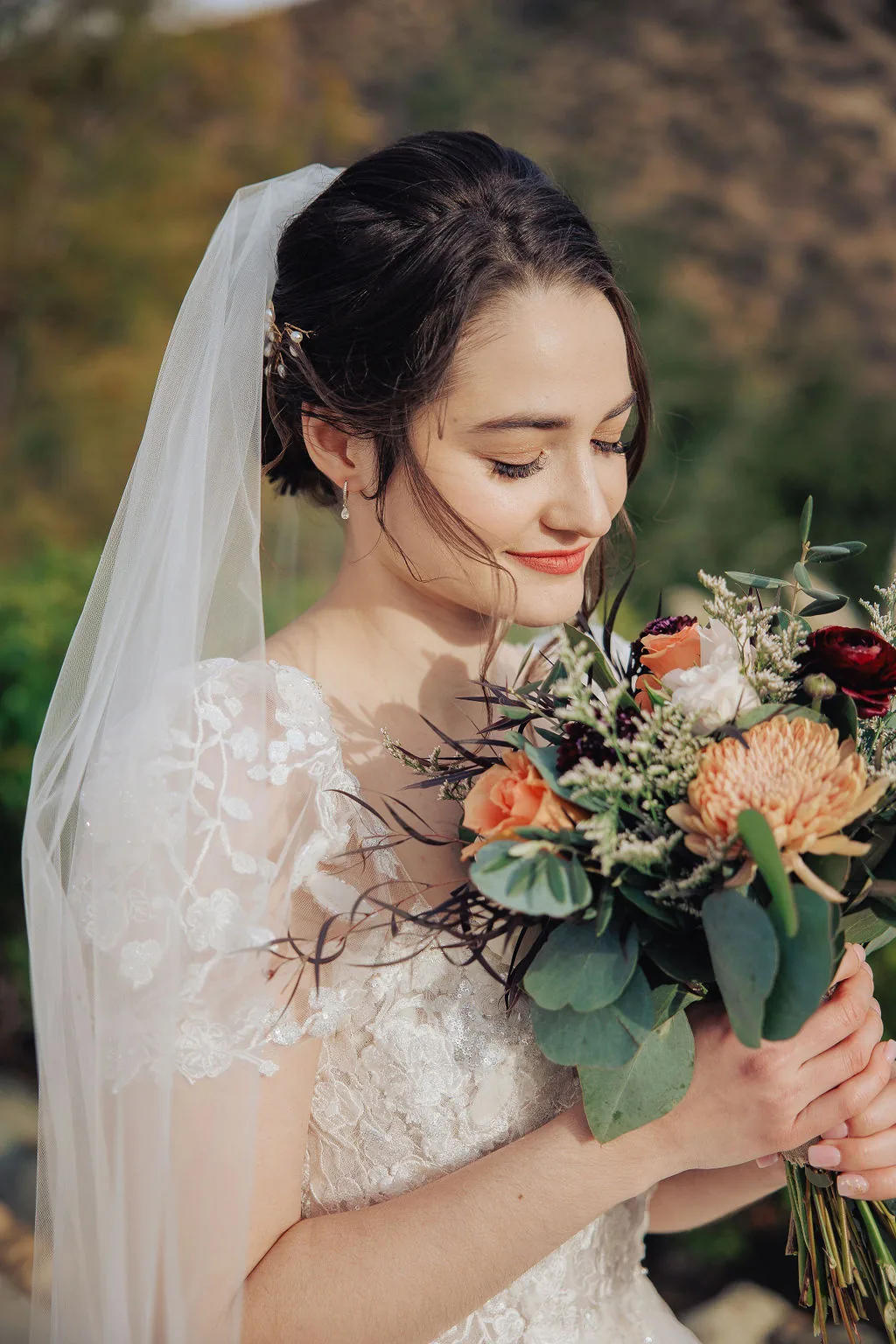
What time of year is best for wedding photos in West Palm Beach?
November through April offers warm weather, low humidity, and blue skies without afternoon storms. Avoid June through September when heat, humidity, and daily thunderstorms make outdoor photography uncomfortable and unpredictable.
Peak season runs November to April, when daytime temps sit around 75–80°F and mornings are dry and clear. Summer (June–September) brings 90+ degree heat, thick humidity, and almost daily 3 PM storms. Spring (March–May) and fall (October) are transitional, pleasant but trending toward rain and haze. Winter season is prime because afternoon light stays clear without the moisture haze that builds through summer. If you're wedding-planning in West Palm Beach, front-load your venue search and photography dates toward the cooler months. Off-season weddings (late summer/early fall) often have smaller vendor teams available, though rain logistics matter more.
How does beach light in Florida differ from other locations?
Florida beach light is intense and bright because of white sand and water reflection. You get fast-changing shadows, blown-out skies, and high contrast that require careful exposure. Overcast days are actually better here than in cooler climates.
The white sand and ocean act like giant reflectors, bouncing light upward and creating intense, directional glare. Without clouds to diffuse that light, you get harsh shadows under eyes and noses, and skies that wash out into white. Many photographers use polarizers and graduated filters to manage the brightness. Overcast beach days, common in Florida during shoulder seasons, actually create ideal even light because the gray sky diffuses that reflection. Golden hour still works beautifully at sunrise or sunset, but midday beach photos need extra care with exposure and flash fill.
Are there restrictions on wedding photos at West Palm Beach beaches?
Most public beaches allow unpermitted photography, but some have restrictions on commercial shoots, tripods, or large groups. Private beaches and waterfront resorts usually require permits or require you to book with their vendors. Check ahead with your venue or the town.
Some West Palm Beach beaches like Phipps Park allow personal photo use but require commercial permits if you're hiring professional photographers. Other beaches have no issues. Private beach clubs and resorts often have stricter rules and may require you to use their preferred photographers or pay a venue fee. If you're planning a beach ceremony or portraits, ask your venue directly about photography policies, whether your photographer needs a permit, and what times work best. A good photographer familiar with local beaches knows these policies and can guide you.
How do we protect ourselves and our guests from sun and heat during outdoor photos?
Schedule outdoor moments early morning (before 10 AM) or late afternoon (after 4 PM) when temps are lower and light is softer. Have shade, water, and hats available. If you're doing afternoon photos, keep them as short as possible.
Florida heat is no joke. A 2-hour afternoon photoshoot with 50 guests standing in full sun leads to sweating, dehydration, and wilting. Front-load outdoor activities toward morning or late afternoon when the sun is lower and gentler. Rent a tent or find a shaded area for groups waiting for photos. Provide bottled water and fans. If your ceremony is on the beach or in open sun, keep it short and consider moving indoors for cocktail hour. Your photographer can capture beach light beautifully without subjecting 100 guests to midday heat, plan the day strategically.
Should we do couple portraits on the beach or at our indoor venue?
Beach portraits work best at sunrise or sunset when light is golden and temps are cool. Indoor receptions often have better light control and climate. Consider doing romantic beach portraits at golden hour and saving other couple shots for the venue.
If you're set on beach portraits, schedule them right before or after your ceremony, not as a separate 2-hour session at midday. Golden hour sunset at the beach is truly gorgeous: warm light, long shadows, and a romantic backdrop. You can do 30 minutes of beach photos, then head to your reception. Alternatively, some couples do sunrise portraits (7–8 AM on the beach) before any guests arrive, then handle the rest of the day indoors where it's cooler. If your reception is at an indoor or covered venue, your photographer can find beautiful portrait light there too. Don't force beach photos just because you're in Florida, pick what suits your timeline and comfort.
What should our photographer bring for Florida beach and outdoor weddings?
Photographers should bring polarizer filters (to cut glare), graduated ND filters (to preserve sky), fast shutter speeds for bright light, and backup batteries and memory cards. Inform them about the venue early so they can prepare appropriately.
Florida's intense light requires specific gear. A polarizer cuts glare off water and sand; graduated ND filters preserve sky detail when the beach is blown out white; fast shutter speeds (and potentially smaller apertures) manage the brightness without overexposing. Humidity and salt spray are hard on equipment, so your photographer should have weather seals and protective gear. They'll also want extra batteries and cards because heat drains batteries faster than in cooler climates. Discuss your venue's specific conditions (beach, garden, indoor ballroom) with your photographer ahead of time so they bring the right tools. If they've shot West Palm Beach before, they'll already know the light challenges.