What photography style works best for Miami's tropical, casual aesthetic?
Light and bright photography that embraces the beach, sun, and color works best throughout your day. Avoid heavy processing, dark tones, or moody editing, Miami weddings work well with clean, saturated colors, golden hour light overall.
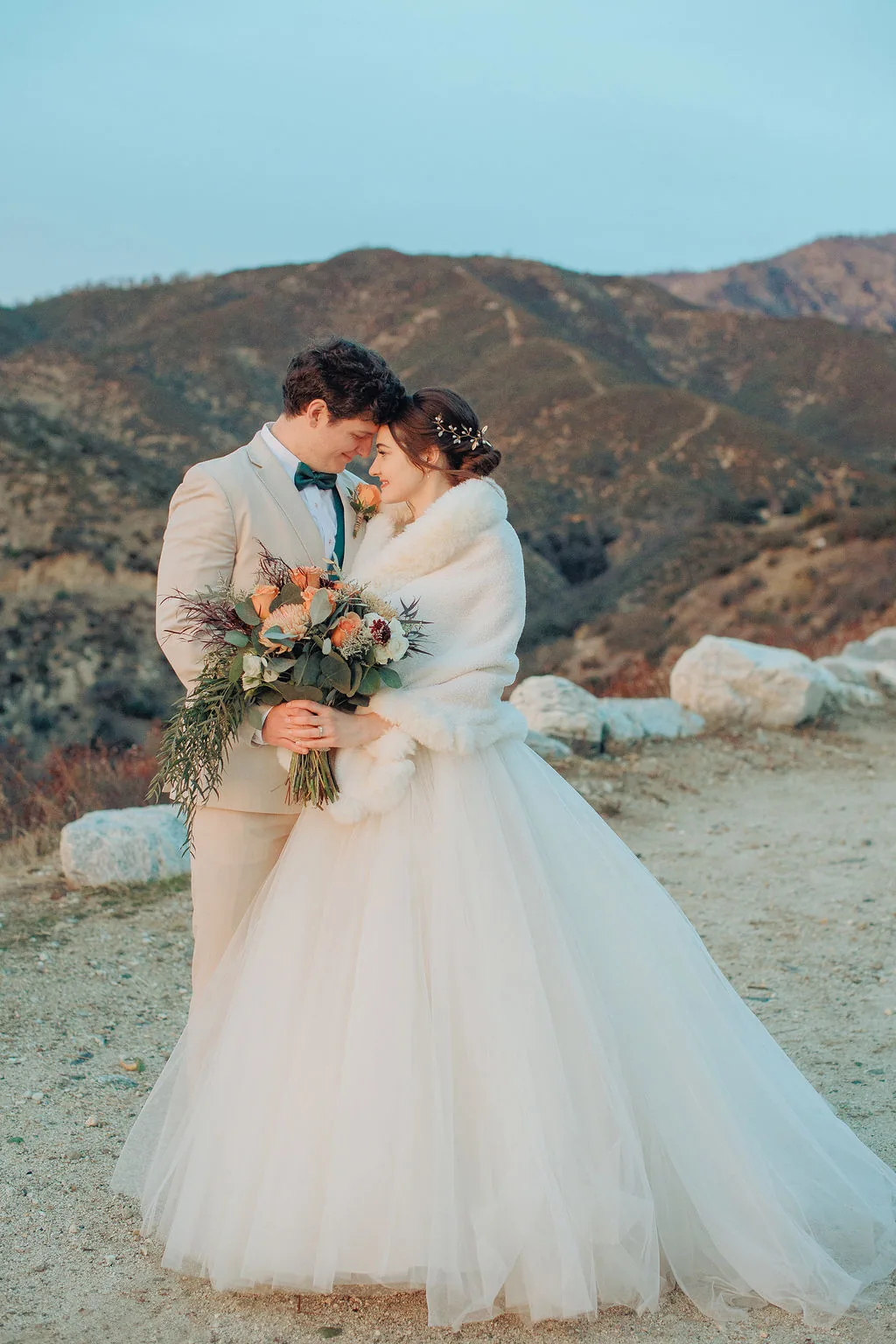
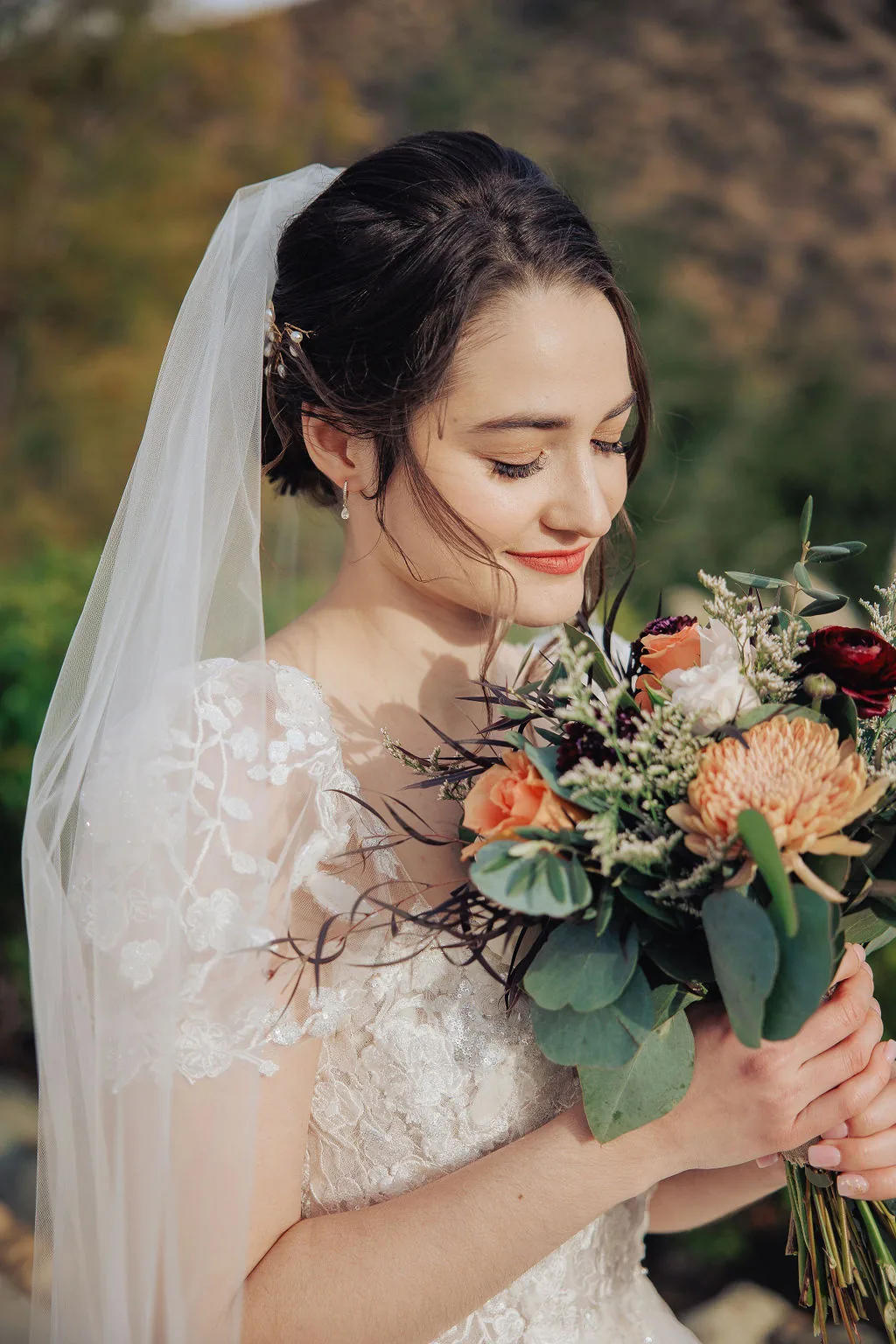
Miami's wedding aesthetic is casual-luxury: beach resorts, art deco architecture, tropical florals, and lots of sun. Photography that works here has brightness and warmth, golden hour light (which hits Miami for extended periods), saturated colors, and soft shadows. Couples in Miami tend to dislike heavily processed, dark-toned, or "moody" styles because they feel wrong for the location. The light is intense and gorgeous; use it. Posing should feel relaxed and natural, not stiff. Candid moments of guests enjoying themselves at the bar or dancing ring true in Miami more than formal family portraits. That said, Miami attracts plenty of high-end, sophisticated couples who want timeless, elegant work, not cheesy beach-vacation vibes. The balance is capturing Miami's energy and light while maintaining sophisticated, refined results.
What's the best time of year to get married in Miami photography-wise?
November through April is peak season (low humidity, blue skies, perfect light throughout). September-October can work if you avoid hurricane season stress. May-August is hot and humid overall as you plan your wedding overall. .
Miami's weather is dramatic and affects photography significantly. November through April is genuinely perfect, warm but not hot (high 70s-80s), humidity is low, skies are deep blue, and light is clear and strong. December-February is coolest and most crowded. March-April is ideal: warm, light is exceptional, and fewer crowds than winter holidays. May through August is punishing, heat and humidity make guests uncomfortable, skies turn hazy from moisture, and light gets flat midday. Late August and September bring hurricane and tropical storm risk; even if you dodge a direct hit, the stress isn't worth it. October is transition, improving but still risky. Most Miami couples choose December through April, with March-April and November being sweet spots for fewer crowds and excellent light. If you want a summer wedding for guests from colder climates, book early June before the worst heat hits, get an indoor/air-conditioned reception space, and plan for shorter outdoor photo time.
How much does a Miami wedding photographer cost?
Expect $3,000–$6,500+ for established Miami photographers with strong portfolios and experience. High-end resort photographers and nationally known names run $5,000–$10,000+. Newer photographers charge $1,500–$2,500 typically as you plan your wedding overall. This matters significantly for your wedding overall..
Miami's photography market is competitive and price-varied. A solid, established photographer with a strong local portfolio typically charges $3,500–$5,500 for full-day coverage. Photographers with significant awards, publications, or a long waiting list charge $6,000–$10,000+. High-end resort photographers (Four Seasons, Setai, Mandarin Oriental) often package photography into venue cost or have preferred vendors at premium prices. Newer photographers or less-portfolio photographers charge $1,500–$2,500. Add a second shooter for $1,000–$2,000. Season matters, peak winter (Dec-Feb) rates are higher; off-season (June-August) might offer discounts. Ask what's included: digital files, print rights, wedding album, or whether those are add-ons. Miami has national-level photographers, so if you want someone with serious credentials, budget accordingly. For most couples, $4,000–$6,000 gets quality work from someone who understands Miami light and style.
How do we manage beach ceremony photos if the light is harsh and direct?
Timing is everything, aim for late afternoon (after 3 p.m.) so sun is lower and less harsh throughout. Use ocean reflections and soft backlighting. Position your photographer on the shade side This matters significantly for your wedding overall..
Beach ceremonies in Miami present a specific lighting challenge: the sun is intense, reflections off sand and water create hot spots, and direct overhead sun is unflattering. A late-afternoon ceremony (4–5 p.m., especially in shoulder seasons when sunset is 6–7 p.m.) gives you golden hour light that's soft and warm. The ocean becomes a gorgeous backdrop. If your ceremony must happen earlier (say, 2 p.m.), the photographer should position you backlit to the sun, using the ocean and sky as a luminous backdrop rather than shooting directly into harsh light. Expect your photographer to use reflectors or diffusers to soften shadows on faces. Some photographers position the ceremony under a tent or arch specifically to create shade. If you're marrying on sand, the reflection off light sand is intense, slightly overexposed skies look better than squinting, shaded faces. Your photographer needs Miami beach experience; it's a beautiful but technically challenging location.
Should we hire a videographer in addition to a photographer in Miami?
Most Miami couples book both, video captures the energy, music, and celebration in ways stills don't. Videography is separate from photography and typically costs $2,000–$5,000+ depending on services chosen as you plan your wedding overall. .
Miami weddings are celebratory and energetic, the music, dancing, beach, and overall vibe are worth capturing on video. While a photographer gets the moments, a videographer captures the feel. Most couples we work with in Miami choose both. Photography ($3,500–$5,500) and videography ($2,500–$5,000) run separately; some studios offer package deals. Videography deliverables vary: a short highlight reel (3–5 minutes), a longer ceremony-to-reception edit, or a full-day documentary. Ask what you're getting and whether you receive the raw footage or edited versions only. In tropical, celebration-heavy weddings like Miami, video genuinely adds value. You'll want to relive the dancing, the cocktail energy, the feeling of the beach setting. A still photographer can't fully capture that.
How do we navigate having a destination wedding in Miami with out-of-state guests?
Book your photographer early, they may travel from out of state too. Confirm they have experience with destination wedding logistics (travel costs, timeline coordination, scouting). Consider a second shooter as you plan your wedding overall. .
If your wedding is Miami-based but you're from elsewhere, your photographer might also be traveling. Discuss logistics: Do they charge travel fees? Will they scout the venue? Are they comfortable with the venue's specific restrictions or quirks? For destination weddings, a second shooter is especially valuable, they can cover getting-ready in separate hotel rooms, multiple ceremony angles, and more coverage of the reception while guests are arriving. Confirm your photographer knows Miami weather quirks (afternoon rain is possible in summer) and has backup plans. Also, if many guests are traveling, your rehearsal and photo logistics might be tighter than a local wedding. A photographer experienced with destination weddings knows how to move fast and prioritize. Ask for references from other destination weddings they've shot.