What's the best time of day to take wedding photos?
Golden hour, the hour before sunset, offers the warmest, most flattering light for photos. The sun sits lower on the horizon, which softens skin tones and eliminates harsh shadows. Sunrise works too, but golden hour feels more natural for outdoor ceremonies and portraits.
Golden hour typically runs 6:00–7:00 PM in summer and 4:30–5:30 PM in winter, depending on latitude and season. Photographers love it because the sun's low angle creates a warm, directional glow that photographs beautifully on skin. You avoid the flat, washed-out light of midday and the blue casts of late evening. Many couples schedule their ceremony or family portraits to wrap up just as golden hour begins, then use that light for couple shots while guests eat cocktails. Timing matters: shoot within this narrow window to get the best results.
Why do indoor receptions need so much more lighting?
Indoor venues have far less available light than outdoors, so cameras need longer exposure times or higher ISO settings to capture images. Most ballrooms and indoor spaces sit between 100–500 lux of light, compared to 10,000+ lux outside on a sunny day. That's why video especially needs supplemental lighting to avoid grainy footage.
Indoors, photographers compensate by opening wider apertures, raising ISO (which adds grain), and using flash, all trade-offs that reduce overall image quality if overdone. Many venues have warm ambient light (chandeliers, uplighting), but it's often insufficient and poorly color-matched for skin tone. Professional videographers often add external lights or position themselves near windows. This is why you'll see so many beautiful receptions at sunset or in spaces with lots of windows or skylights. Plan your timing to maximize natural light availability.
Can we request specific lighting for our ceremony or reception?
Yes, talk to your photographer and venue early. Many couples ask venues to dim overhead lights during the ceremony, add uplighting to a receiving line, or adjust brightness in key photo zones. Your photographer can suggest what works best for your space and lighting style.
Good venues are used to these requests. You might ask them to dim harsh overhead lights during your first dance, add warm accent lights to the head table, or leave the ceremony aisle darker so the altar is highlighted. Your photographer should scout the space weeks in advance to understand existing light sources, window angles, and where supplemental lighting helps most. If you want natural light in key moments, ask your venue to open curtains or shutters at specific times. Coordination between your photographer, videographer, and venue coordinator makes a real difference.
Does overcast weather really ruin wedding photos?
No, overcast days create soft, even light that's actually flattering for close-ups and skin tones. You lose the dramatic shadows of sunny days, but you avoid blown-out backgrounds and harsh squinting. Many photographers prefer overcast conditions for ceremony and reception work.
Overcast skies act like a massive diffuser, spreading light evenly across your face and eliminating the need for reflectors or fill flash. Skin tones look more even, eyes are brighter (no squinting), and you can actually use more of the venue's interior without it looking too dark by comparison. The trade-off is less 'wow' sky drama behind you, but you can add that back in video with filters or color grading. Rainy weather is trickier because wet ground and gray skies require more camera work, but it's absolutely shootable.
What's backlighting and why do photographers love it?
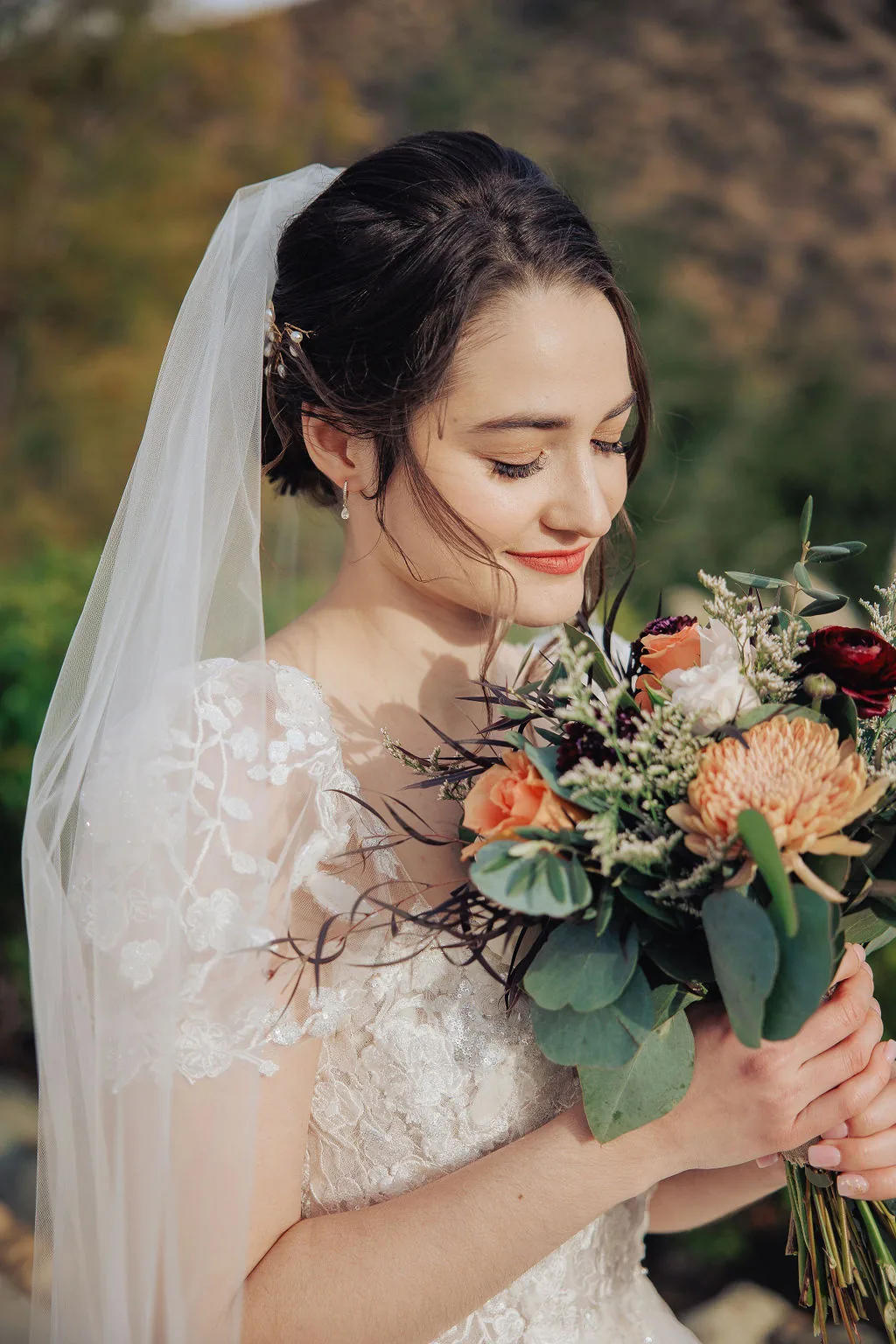
Backlighting means positioning you with the light source behind or to the side so it rims your hair and edges with a glow. It creates separation between you and the background, adds depth to images, and feels romantic and cinematic. It's especially striking during golden hour.
When light comes from behind you, it catches the translucent edges of hair, veils, and fabric, creating a luminous halo effect. It's flattering because it separates you from the background and adds dimension to the photo. Backlit shots during golden hour often become couples' favorites, hair glows, eyes are soft and clear, and the background falls into warm shadow. Photographers position you deliberately to use this effect, especially for couple portraits and walking shots. This technique works especially well near windows or during sunset.
Should we ask our photographer to use flash or natural light only?
Most photographers use both, natural light when possible, flash as a fill or accent when needed. Relying on natural light alone can leave reception interiors too dark or uneven. A skilled photographer knows when flash enhances a moment versus when it distracts.
Modern off-camera flash and softbox techniques are subtle and don't create harsh, blown-out looks. Many photographers use flash to balance indoor receptions or add fill light to shaded ceremony areas. Asking for 'natural light only' often results in dark, grainy photos of your reception and dancing moments. Instead, talk with your photographer about their lighting style and philosophy, do they prefer off-camera flash, bounce flash, or available light? Their experience with your venue type matters far more than a blanket rule or restriction.