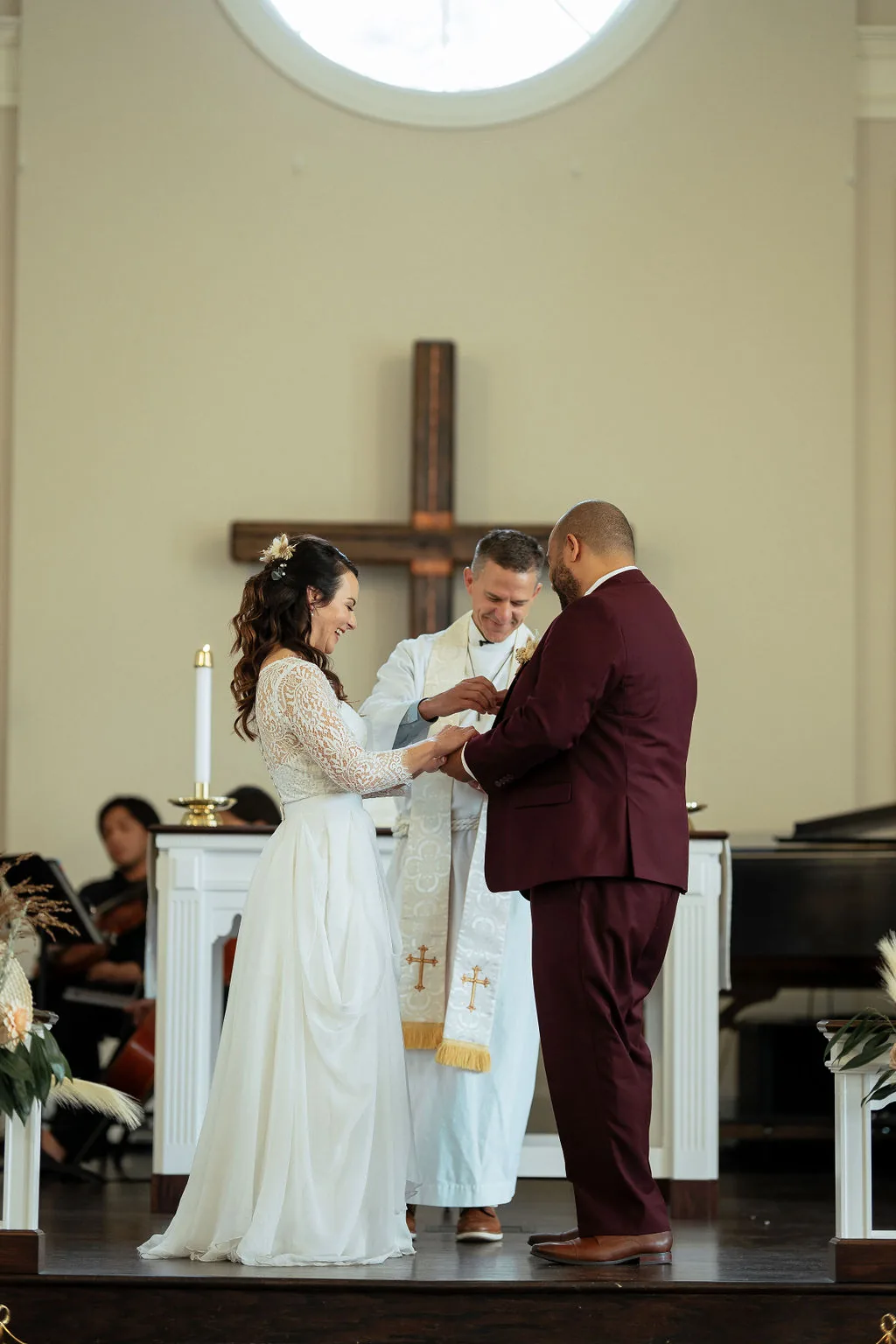
What camera and lenses do professional wedding photographers use?
Most professionals shoot full-frame DSLRs or mirrorless cameras (Canon, Nikon, Sony) with a range of lenses: 35mm, 50mm, 85mm for portraits, plus a wide-angle lens (24mm). This matters for your wedding day success.
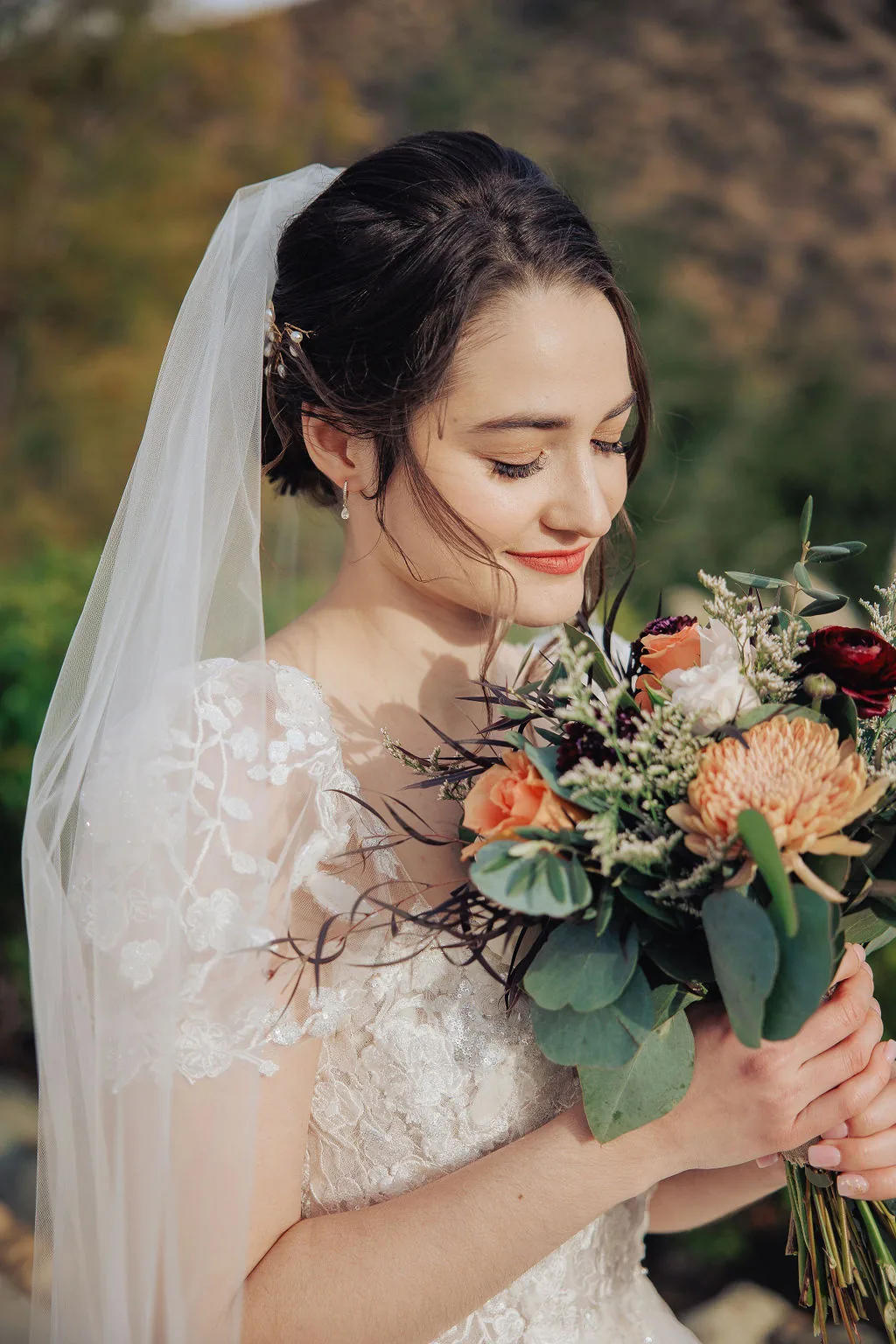
Professional-grade cameras cost $2,500–$4,000; quality lenses run $800–$2,500 each. A working photographer typically owns 3–5 lenses to handle different situations. The 85mm (portrait lens) creates flattering compressed perspective and separation from background. The 50mm is versatile, reliable, and low-light friendly. The 35mm captures detail and emotion in moments. The 24mm or 16–35mm wide-angle gets venue scope and environmental context. Fast lenses (f/1.4 to f/2.8) let photographers work in lower light without flash, creating more natural-looking photos. Your photographer's equipment matters less than their skill, but higher-quality gear handles low-light situations better.
Do wedding photographers need backup cameras and equipment?
Yes, absolutely. Professional photographers carry backup cameras, lenses, batteries, memory cards, and lighting equipment. A backup guarantees the wedding continues if something breaks down during the day. This matters for your wedding day success.
A camera failure mid-ceremony is a nightmare scenario. Smart professionals bring two full camera bodies so they can keep shooting if one fails. They carry extra lenses, multiple batteries, and plenty of memory cards (backs up too). They bring backup lighting (flash, diffusers, light stands). They carry backup memory cards in different locations so if one gets lost or corrupted, they have copies. During vendor consultations, ask your photographer about their backup plan. It should be matter-of-fact; they should own this as part of professional practice. This is non-negotiable.
What about flash and lighting for indoor wedding ceremonies?
Professional photographers use off-camera flash bounced off ceilings or walls to create soft, flattering light indoors. They avoid direct harsh flash on faces at all costs. This matters for your wedding day success.
Most churches and indoor venues require off-camera flash because natural light isn't enough. A photographer positions their flash above the couple, bouncing light off a ceiling to create soft, directional illumination. They might also use a second camera with available light during the ceremony to capture the natural moment without flash. Modern flash equipment is sophisticated; a skilled photographer makes flash look natural, not stark. During your venue walkthrough, talk to your photographer about how they'll handle your ceremony's light. A cathedral with stained glass needs different lighting than a modern hotel ballroom.
Why do photographers bring multiple lenses to a wedding?
Different lenses serve different purposes: wide-angle for venue and groups, 50mm for candid moments, 85mm for portraits, telephoto for distant moments. Bringing one lens limits creative flexibility. This matters for your wedding day success.
Imagine shooting a ceremony with only a 35mm lens; you can't get a wide shot of the venue or a tight close-up of the rings. Different moments need different perspectives. A wide-angle lens captures the grandeur of a ballroom. A 50mm is forgiving for close-up moments during the ceremony. An 85mm compresses background and flatters faces during portraits. A telephoto lets you capture emotional moments from a distance during the reception (toasts, first dance, spontaneous smiles). Bringing a kit of 4–5 lenses means the photographer can pivot instantly based on what's unfolding, rather than running back to swap lenses and missing moments.
Do we need to worry about our photographer's equipment insurance?
Ask about it, but it's not your responsibility. Professional photographers carry insurance to cover their equipment and liability. A photographer without insurance is a red flag always. This matters for your wedding day success.
Professional photographers have business insurance that covers their equipment, liability claims, and theft losses. If their camera breaks or gets damaged, that's their problem to repair, not yours. If they accidentally break something at your venue, their insurance covers it completely. During vendor consultations, you don't need to see their insurance policy, but it's fair to ask, "Are you insured?" A professional says yes immediately and confidently. If they're evasive or uninsured, that's a sign they're not serious about their business or profession.
What about drone photography for wedding ceremonies?
Drone shots can be stunning, but check your venue's rules first. Many churches, historic sites, and outdoor venues restrict or prohibit drones. It's a luxury add-on, not necessary. This matters for your wedding day success.
A drone shot of your venue or the couple's exit can be gorgeous, but drones require FAA licensing, insurance, and venue permission. Many venues ban drones entirely; churches absolutely do. If drones are allowed, expect to pay $500–$1,500 as an add-on. Drone footage is beautiful for highlight reels and videos, less useful for still photography. Discuss with your photographer whether they're licensed to fly drones and whether your venue allows them. If you want drone coverage, budget for it upfront. Don't assume your photographer can do it; ask explicitly.