What's the best time of year for wedding photography in Connecticut?
Late April through May offers spring blooms and soft light. September through October brings stunning fall foliage and crisp, comfortable weather. Summer is humid; winter has gray skies. This matters for your wedding day success.
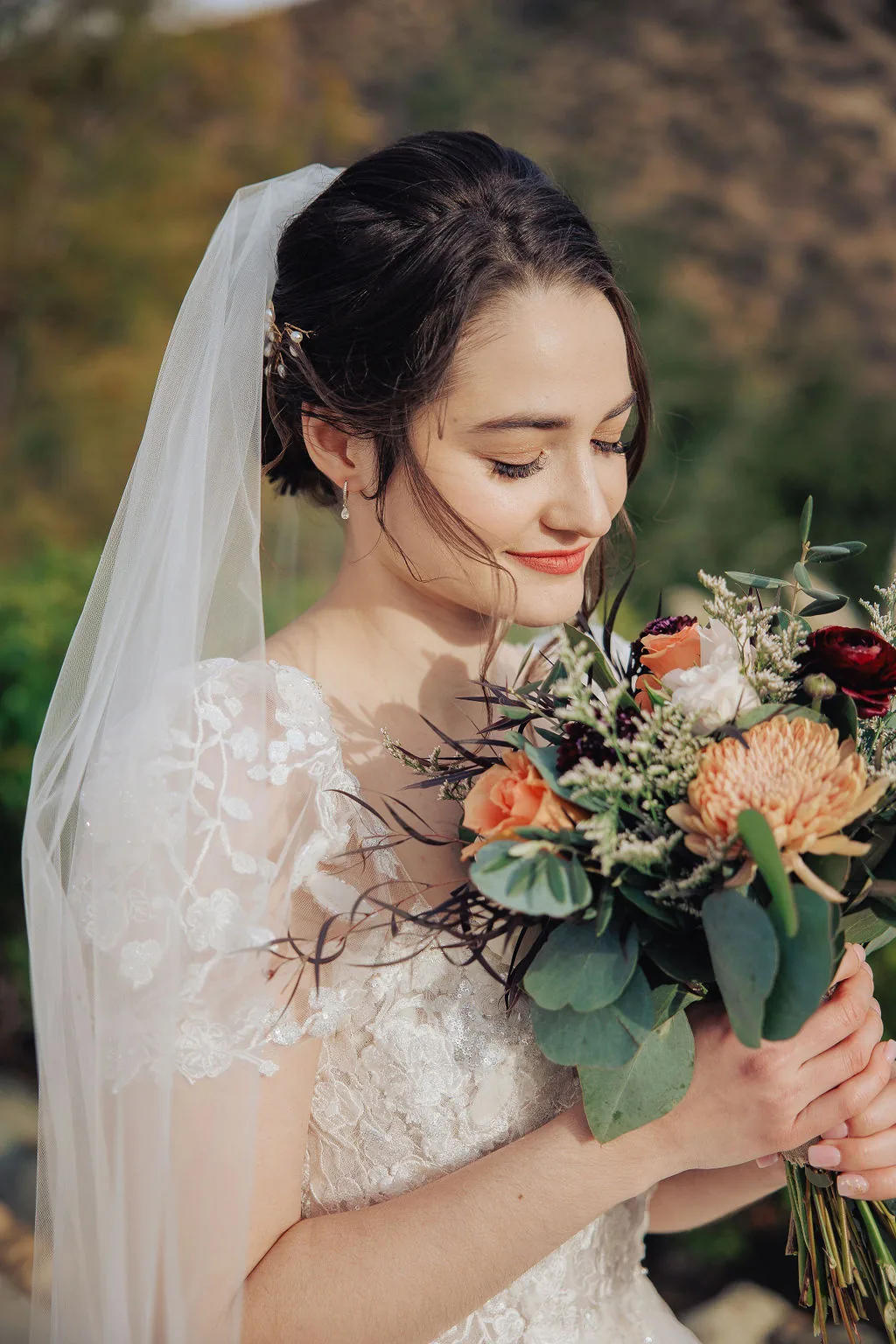
Connecticut's seasons are dramatic and photogenic. Spring feels fresh and alive; you get cherry blossoms and new greenery. Fall is absolutely stunning with reds, oranges, and golds, many couples plan specifically for this because the colors are unforgettable and create naturally rich photos. Summer is warm but sticky and humid, and indoor venues with fluorescent lighting become necessary unless you enjoy sweat visible in photos. Winter light is weak and short-lived. If you're locked into a less ideal season, choose venues with great indoor light (historic homes, elegant barns, churches with stained glass). Your photographer should know how to maximize Connecticut's light in each season.
Which Connecticut venues photograph best for weddings?
Historic estates like Watkins Glen and outdoor barns photograph beautifully. Venues with mature trees, gardens, and water views (lakes, rivers) offer stunning natural backdrops and depth. This matters for your wedding day success.
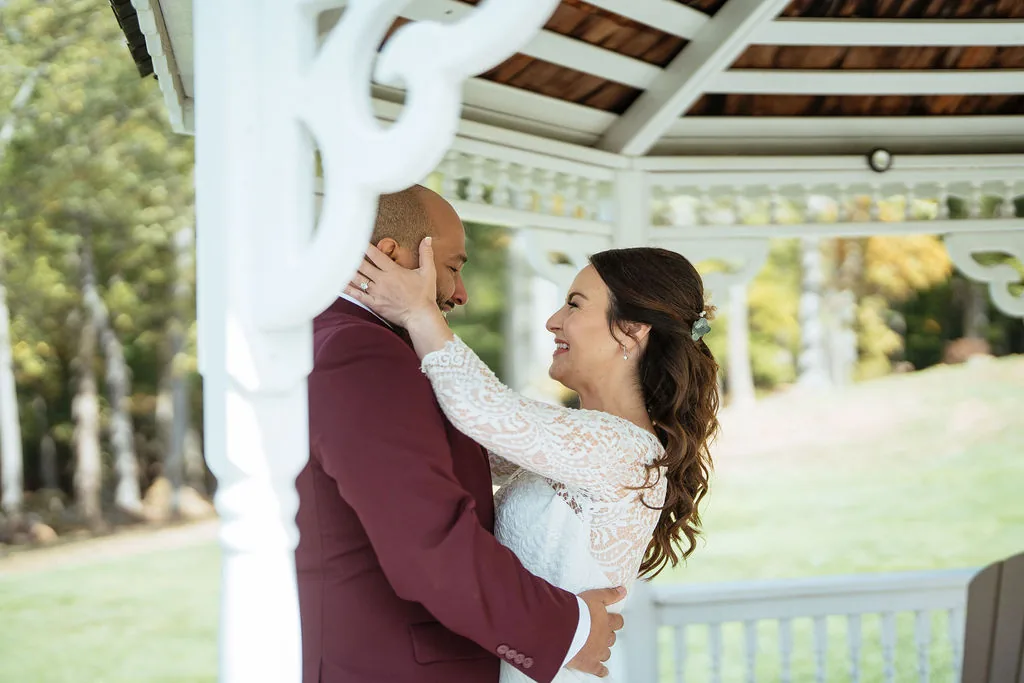
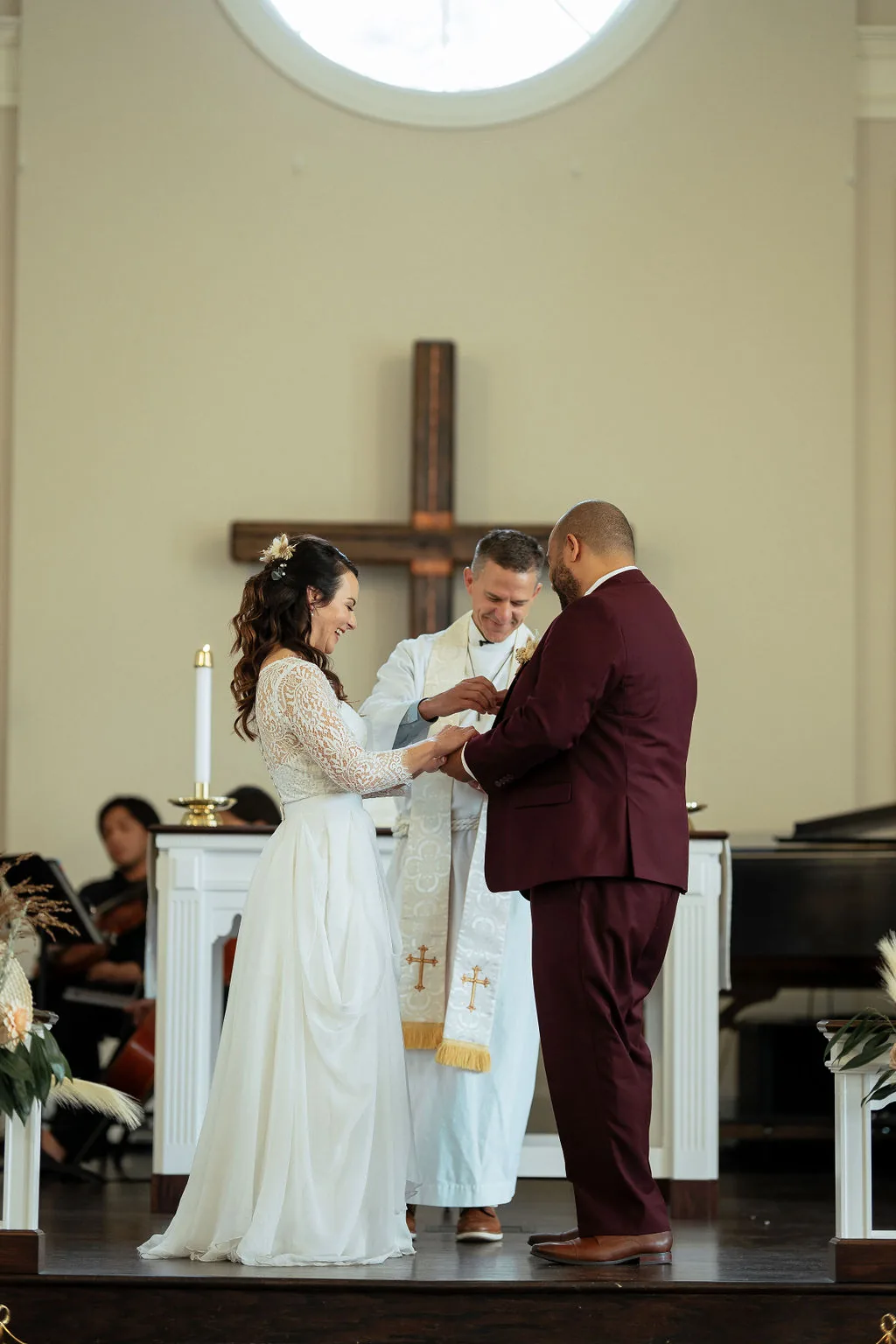
Connecticut's full of historic properties with real character and charm. Old homes with manicured grounds, barns with cathedral ceilings, gardens bursting with flowers, these are photographer's dreams. Venues with large windows let in natural light without needing excessive flash. Water elements (ponds, creeks, waterfalls) add reflection and depth to photos. During venue tours, ask your photographer which Connecticut spaces they love. They know which venues have beautiful ceremony backdrops, where afternoon light comes through best, and which outdoor spaces have killer sunset views. A venue's own photos are often heavily edited; trust your photographer's real examples from actual weddings.
What time should our ceremony start for the best light in Connecticut?
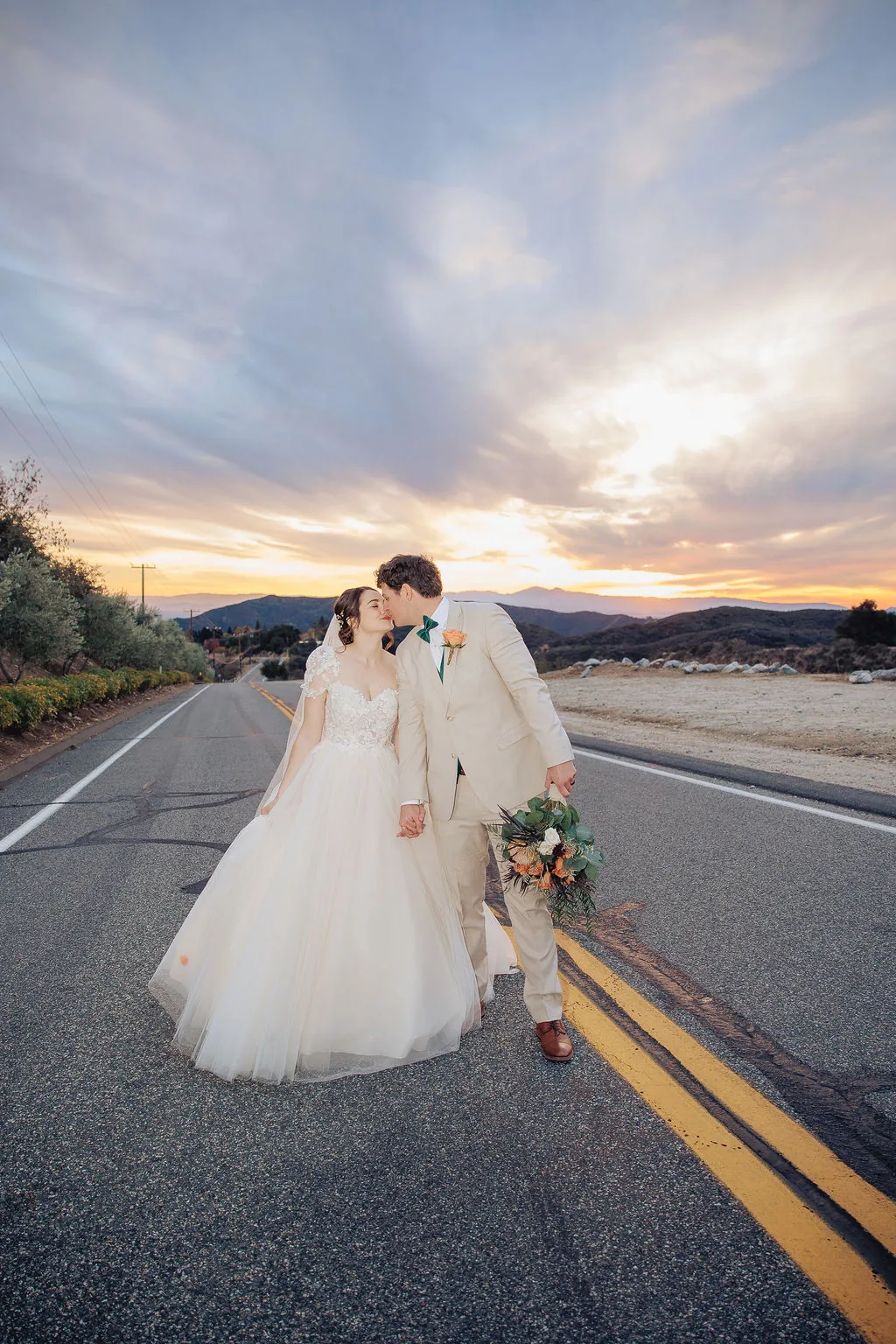
Afternoon ceremonies (2–4 p.m.) are ideal so you catch golden-hour light during couple portraits and family photos after the ceremony. Morning ceremonies work if your venue has excellent light. This matters for your wedding day success.
A 3 p.m. ceremony means sunset light arrives around 5:30–6 p.m. in spring/summer, earlier in fall. That's perfect timing for glowing couple photos right after the ceremony. Morning ceremonies (10–11 a.m.) work if you're inside or have reliable shade, but midday sun is harsh and unflattering. An 11 a.m. ceremony followed by an indoor reception is fine, but you'll miss that magical outdoor light. Work with your photographer on timing; they'll help you maximize Connecticut's light based on your date and venue. Getting the light right in-camera means better photos.
What's a typical budget for a Connecticut wedding photographer?
Connecticut wedding photographers typically charge $2,500–$4,500+ depending on experience and package. Newer photographers might be $1,500–$2,500; established photographers with strong portfolios charge $3,500–$5,000 or more. This matters for your wedding day success.
Connecticut's full of wealthy areas (Greenwich, Darien, New Canaan) where photographers charge premium rates. Less affluent areas have lower costs. A photographer at $2,500 has solid experience and decent portfolio. At $4,000+, they likely have a strong reputation, extensive portfolio, and premium services. Standard packages include 8–10 hours, second photographer, and digital files. Some add engagement sessions, albums, or print packages. Don't book based purely on price; look at actual wedding photos to see if their style matches your vision and values. More experienced photographers catch moments and light better.
Should we book a Connecticut photographer or bring one from out of state?
A local Connecticut photographer knows the venues, weather patterns, and light throughout the seasons. Bringing someone from far away adds travel costs and means they're learning your location. This matters for your wedding day success.
A photographer who shoots in Connecticut regularly knows which venues have the best light at different times of day, how to work with spring humidity and fall weather patterns, and where local couples love to take photos (scenic overlooks, state parks, beautiful churches). They're familiar with vendors and can coordinate smoothly. An out-of-state photographer might seem cheaper, but travel costs (flights, hotels, car rental) eat into savings quickly. They're also less likely to know hidden gems or how to work around Connecticut's specific lighting challenges and seasonal weather patterns. Unless you're bringing someone who's shot at your venue before, a local Connecticut photographer is usually the smarter choice.
Can we use state parks or public gardens for Connecticut wedding photos?
Many state parks and public gardens allow photo sessions with permits, but restrictions vary. Check with each location's management beforehand about commercial photography rules and any fees. This matters for your wedding day success.
Connecticut state parks like Gillette Castle or Talcott Mountain offer scenic backdrops, but you'll typically need a permit for weddings or professional photos there. Public gardens like the Ladew Topiary Gardens charge photography fees for professional use. Some locations allow limited photography; others restrict it during events completely. Talk to your photographer about permit requirements and associated costs well in advance. Private estate venues often avoid these permitting complications entirely, offering similar scenery without regulatory hurdles or delays. Start early.