What time should we wake up on our wedding day?
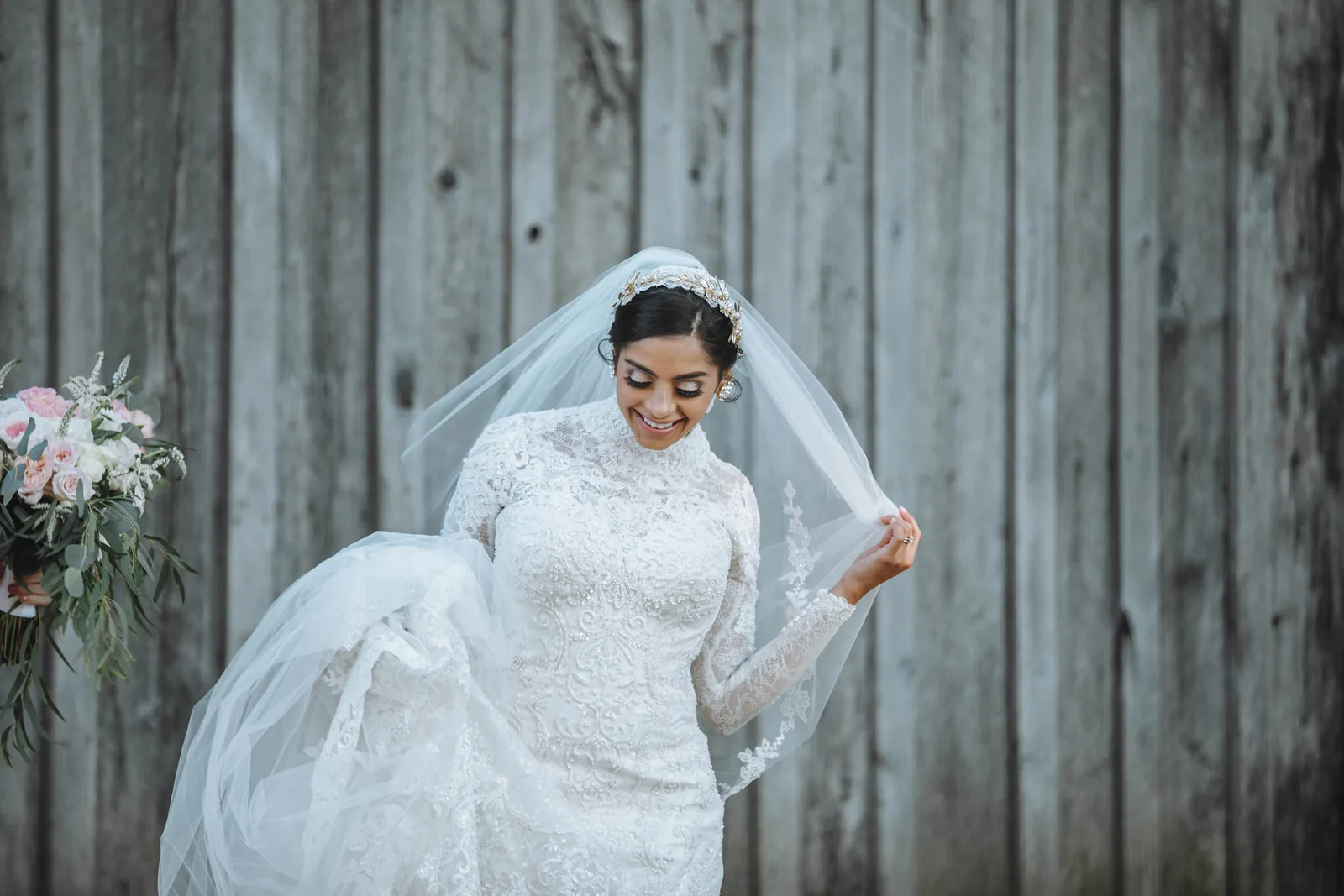
Wake up 4–5 hours before your ceremony. This gives time for breakfast, hair and makeup, getting dressed, settling nerves, and capturing getting-ready photos. Earlier waking prevents the stressed, rushed look in those candid morning moments.
If your ceremony is 3pm, wake at 10am. If 5pm, wake at 12pm. Hair and makeup take 90 minutes–2 hours minimum, getting dressed takes 20–30 minutes, plus time to eat breakfast (important for energy and blood sugar), settle pre-ceremony nerves, and capture getting-ready photos. Rushing creates visible stress in your photos. An early wake-up time feels strange initially but you'll be grateful later. Set phone alarms and communicate wake-up time to your hair/makeup team the day before so everyone's on the same page.
How long should we realistically budget for hair and makeup?
Build 15–30 minute buffers between events, and 45–60 minute buffer before ceremony starts. Things always run late, hair takes longer, transportation delays happen frequently. Buffers prevent visible panic and rushing throughout your special day.
Buffer time is the secret to a stress-free wedding day. Build 15–minute buffers between getting-ready transitions, 30 minutes between major events, and 45–60 minutes specifically before ceremony start time. This accounts for things that always take longer: hair taking extra time, transportation delays, photo distractions, bathroom breaks, last-minute outfit adjustments. That 5-minute window you think is enough? It will take 20 minutes guaranteed. The buffer prevents frantic, stressful moments and lets you actually breathe and enjoy your day. Work backward from ceremony time, add buffers, and that's your wake-up time to maintain schedule.
When should we actually plan our couple portrait session?
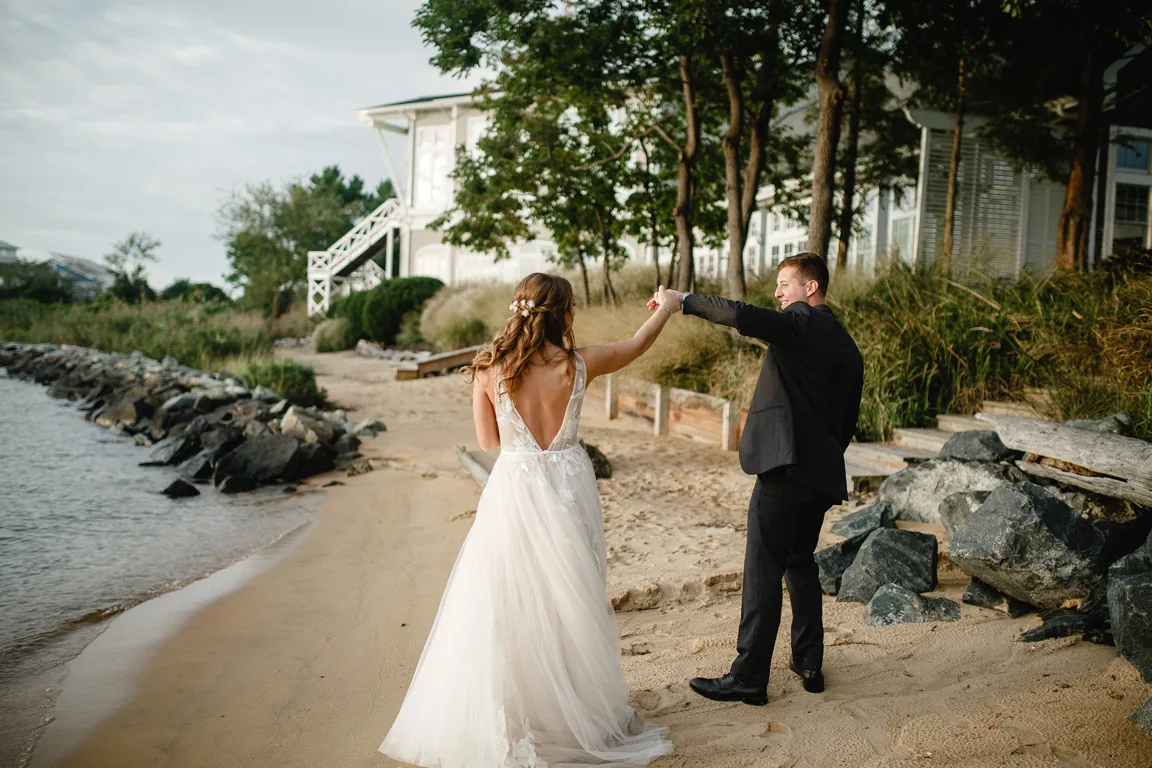
Either immediately after first look (20–30 minutes) or during cocktail hour (30–45 minutes) works well. Never schedule portraits during reception dinner or dancing when you'd miss your own party. Timing affects both photo quality and celebration flow.
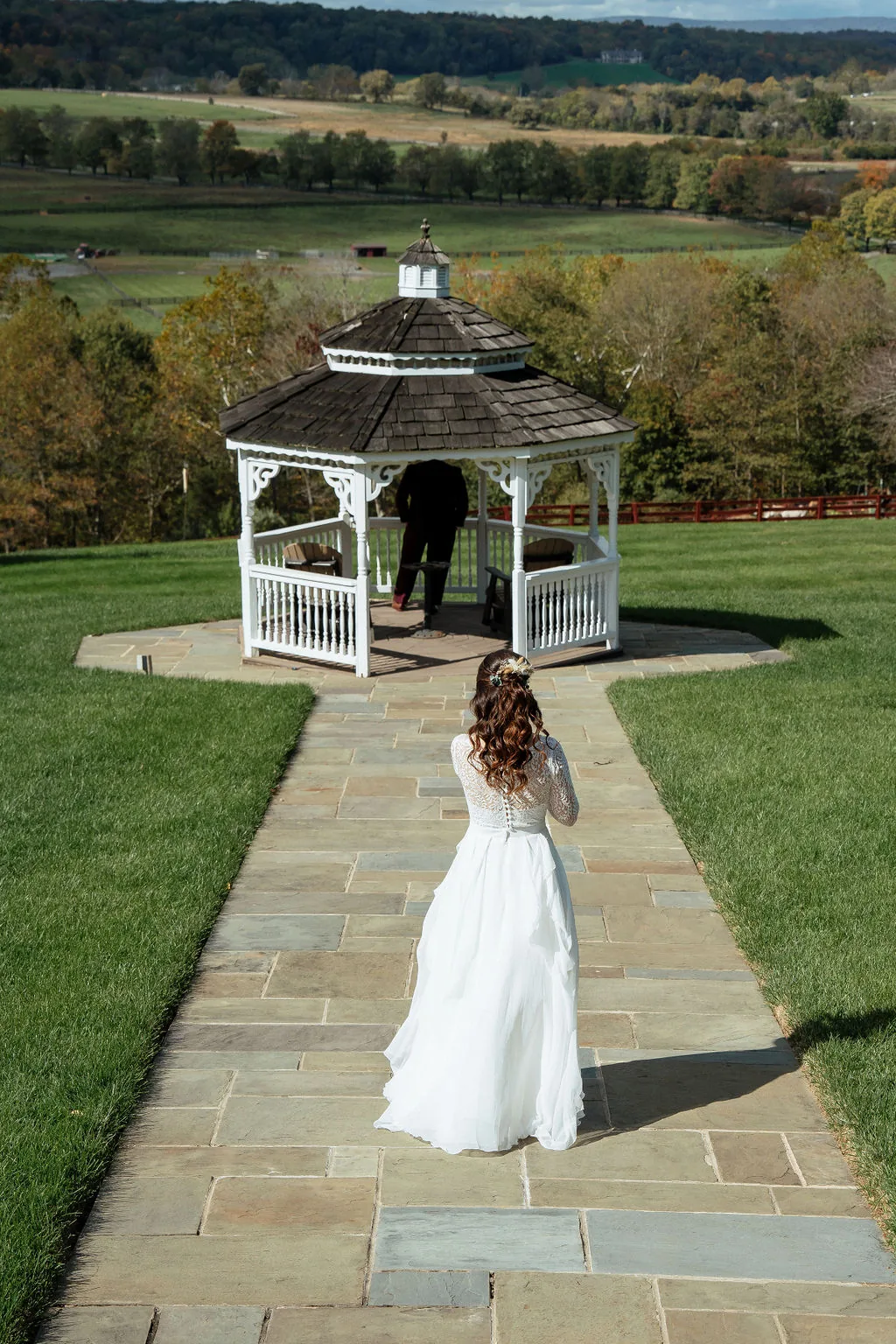
First-look style: Do couple portraits immediately after the emotional first-look moment, while adrenaline is high and you're naturally connected. Takes 20-30 minutes. Traditional style: Schedule couple portraits during cocktail hour (45-60 minute window between ceremony and reception dinner) while your photographer captures candid guest photos. Takes 30-45 minutes. Never schedule portraits during dinner or reception because you'll miss meaningful moments and guests won't be able to find you. Communicate your portrait priorities to your photographer months beforehand so they plan timing accordingly.
How much buffer time should we actually build into our schedule?
Build 15–30 minute buffers between events, and 45–60 minute buffer before ceremony starts. Things always run late, hair takes longer, transportation delays happen, last-minute fixes arise. Buffers prevent the panic and visible stress.
Buffer time is the secret to a stress-free wedding day. Build 15-minute buffers between getting-ready transitions, 30 minutes between major events, and 45-60 minutes specifically before ceremony start time. This accounts for things that always take longer: hair taking extra time, transportation delays, photo distractions, bathroom breaks, last-minute outfit adjustments. That 5-minute window you think is enough? It will take 20 minutes. The buffer prevents frantic, stressful moments and lets you actually breathe and enjoy your day. Work backward from ceremony time, add buffers, and that's your wake-up time.
What time should we actually tell guests to arrive?
Send invitations with ceremony start time and a specific arrival time: 'Ceremony begins at 3pm, please arrive by 2:40pm.' Include parking and directions clearly on your invitation. Guests who trickle in late miss the processional, and there's no replaying it.
Include an explicit arrival time on your invitations: "Ceremony begins at 3pm, please arrive by 2:40pm." This gives 20-minute buffer if someone runs slightly late without them missing the vows. For venues with difficult parking or long walks, suggest arriving 30 minutes early. Confirm with your officiant and venue what time you'll be ready to start (not just what time the invitation says). Have someone stationed near the entrance as a greeter to help late arrivals find their seats quickly.
How long should our actual ceremony take?
Wake up 4–5 hours before your ceremony. This gives time for breakfast, hair and makeup, getting dressed, settling nerves, and capturing getting-ready photos. Earlier timing prevents visible stress in those intimate morning moments.
A straightforward ceremony with vows, ring exchange, and one unity ceremony: 20-25 minutes total. With additional readings, multiple traditions, or longer unity ceremonies: 30-40 minutes. Very minimal ceremony: 12-18 minutes. Most guests prefer snappier ceremonies that keep energy high, you're not trying to set a record for brevity, but longer than 40 minutes can feel slow. Discuss ceremony length with your officiant and adjust by cutting readings or traditions if needed. Guests remember the emotional moments, not how long you stood there.
How long should we plan for our cocktail hour?
Plan 45–60 minutes. Shorter feels rushed; longer than 90 minutes guests get restless or overly intoxicated. Discuss this with your photographer beforehand. Discuss your preferred timing with your photographer months ahead.
One hour is the sweet spot for most weddings. 45 minutes works as a workable minimum. 90+ minutes and guests start getting impatient waiting for reception food or overly intoxicated from extended drinking. Use cocktail hour for your couple portraits (30–45 minutes), family photos if needed, and guest socializing and mingling. Your photographer captures candid moments while you're busy with portraits. The timing gives guests a natural break between ceremony emotion and reception food, a chance to drink and socialize, and time for you to recover and transition before the celebration begins. The flow matters more than the exact time.