What's the standard timeline from getting-ready to ceremony for a traditional wedding?
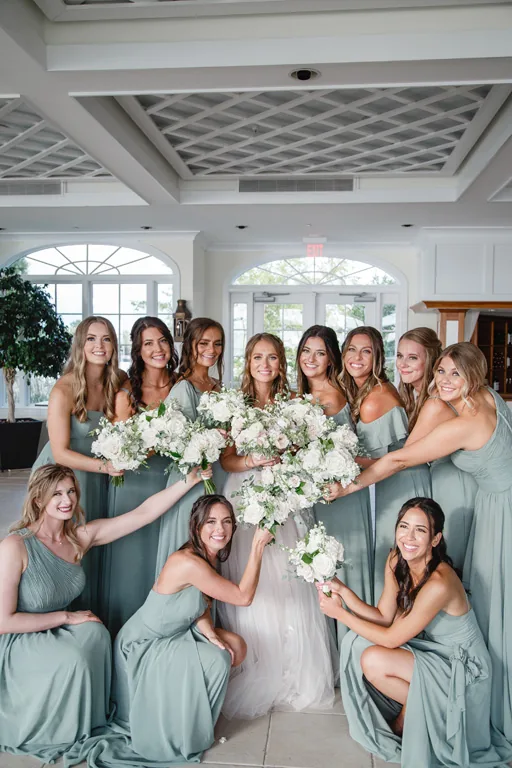
Plan 3–4 hours from first hair appointment to ceremony start. Hair and makeup take 2–2.5 hours for multiple people; dressing, photos, and final preparations add another 45–90 minutes. A 2pm ceremony means starting hair at 10am or 10:30am.
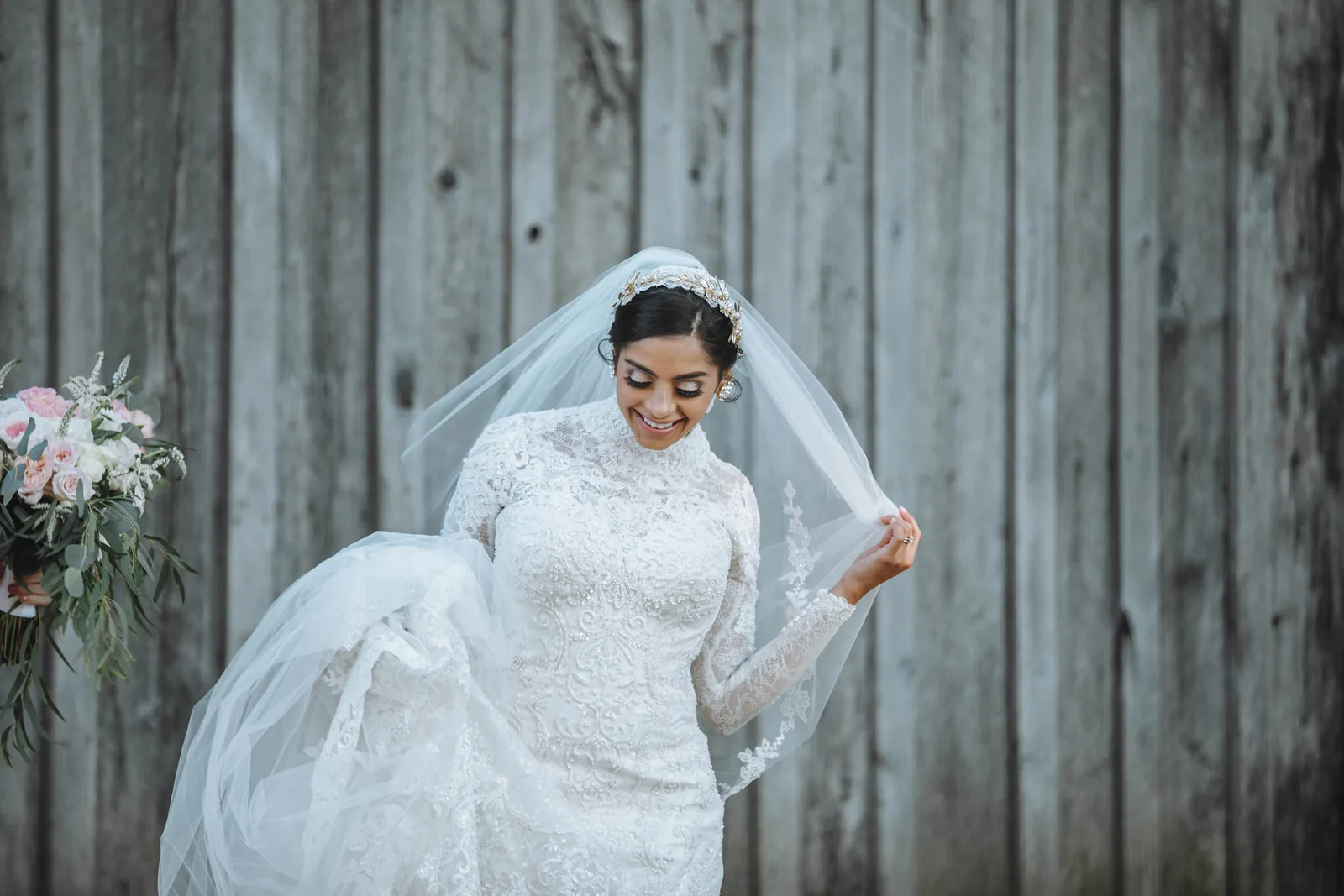
The math: if you're having professional hair and makeup for a bridal party of 4–5 people, plan 45–60 minutes per person. So 4 people = 3–4 hours total (stylists work in parallel where possible, not sequentially). The bride typically gets hair and makeup last. Add 30–45 minutes for the bride to dress and have final photos (dress details, bouquet, final preparations). Include a 15–20 minute buffer for delays (a makeup artist running late, an unexpected fix, someone needing a touch-up). So for a 2pm ceremony: first person in hair at 10am, bride ready by 1:15–1:30pm, giving 30 minutes for final photos and a calm walk to the ceremony. This timeline assumes a calm schedule; add 30 extra minutes if you're doing a first-look or bride-and-groom prep in the same location.
How long should you allocate for a ceremony, and how does that affect your full timeline?
Standard ceremonies run 20–40 minutes (religious ceremonies often longer, secular ones often shorter). Plan your reception to start 60–90 minutes after ceremony start time, accounting for ceremony length plus processional, recessional, and guest transition time.
A non-religious ceremony typically runs 20–30 minutes. A religious ceremony (Catholic, Jewish, formal Protestant) often runs 35–45 minutes. This timing matters for your full-day flow. If your ceremony is at 2pm and lasts 30 minutes, add 15 minutes for processional and recessional, plus 20–30 minutes for guest transition (everyone walking to a cocktail area or waiting for receptions to set up). So reception realistically starts around 3:15–3:30pm. If you have a receiving line after the ceremony (greeting every guest), add 20–30 minutes. Know your ceremony length upfront and build the full schedule around it. A long ceremony + receiving line pushes cocktail hour back significantly; a short ceremony can start reception closer to ceremony end time.
What's a realistic timeline for couple portraits and first-look photos?
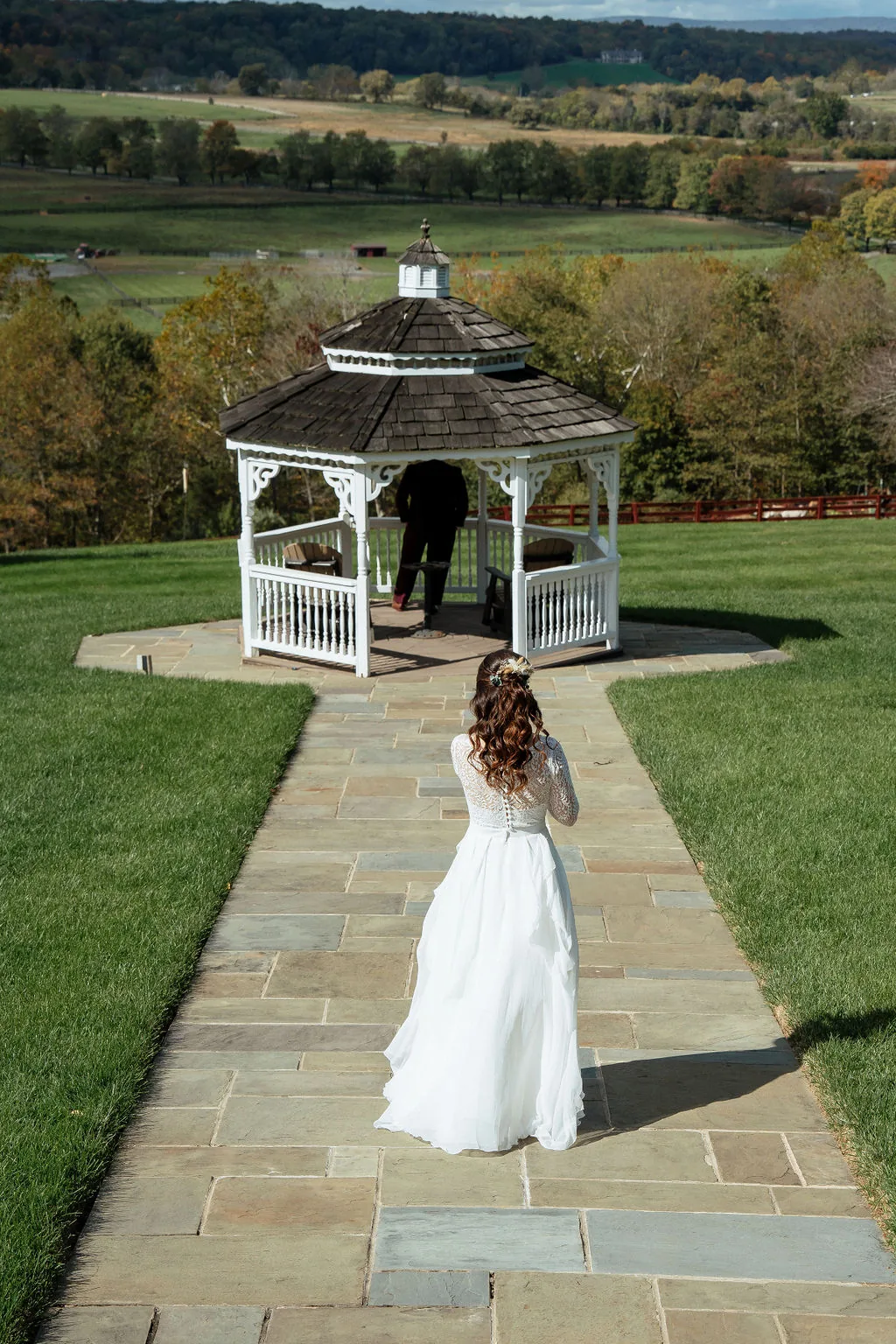
A first-look takes 10–15 minutes; couple portraits afterward take 30–60 minutes depending on how many locations and outfit changes. Budget 45–90 minutes total for first-look + couple portraits before the ceremony.
A first-look (seeing each other before the ceremony) takes 10–15 minutes to set up, shoot, and get emotional; it's quick but meaningful. Couple portraits afterward depend on your plan: one location with one outfit = 30 minutes; multiple locations or outfit changes = 45–60 minutes. A full portrait session (multiple locations, different poses and emotions) takes 60–90 minutes. Build this into your timeline: if you're doing first-look + portraits, start 90–120 minutes before ceremony, complete portraits 30 minutes before ceremony (to give yourself a buffer). This works if your getting-ready location is near the ceremony location. If they're far apart, add travel time. Modern couples often skip a separate first-look and do couple portraits immediately after the ceremony during golden hour; this frees up morning time for a relaxed getting-ready window.
How long should the reception last, and when do key moments (dinner, dancing, send-off) typically happen?
Typical reception runs 4–5 hours (3pm–7pm or 5pm–10pm). Cocktail hour (first 45–60 min), dinner service (1–1.5 hours), toasts (15–30 min), first dance (10 min), cake cutting (15 min), dancing (remainder). Adjust timing based on your ceremony start time and guest preferences.
A standard reception timeline: guests arrive, cocktail hour happens while taking couple portraits or during other buffer time (45–60 minutes). Guests are seated for dinner service (allow 1–1.5 hours; it's slow). Toasts happen mid or post-dinner (15–30 minutes depending on number of speakers). First dance, cake cutting (15–20 minutes combined). Open dancing for the remainder. A 3pm-start reception runs 3pm–7pm (4 hours); a 5pm-start reception runs 5pm–10pm (5 hours). Morning ceremonies with brunch receptions move everything earlier. Evening ceremonies with late dinners push key moments later. Communicate timing to your vendors and wedding party, they'll build their plans around it. A rushed timeline (2-hour reception) skips dancing entirely; a long reception (6+ hours) requires a second venue or extended bar/catering. Most couples find 4–5 hours hits the sweet spot.
What time should you schedule the ceremony if you want golden-hour couple portraits immediately after?
Schedule the ceremony 60–90 minutes before sunset. In June, that's roughly 4:30–5pm start; in September, 3:30–4pm; in December, 2pm. This gives you ceremony time plus guest transition, and couples portraits happen as golden hour hits.
Golden hour, the 1–2 hours before sunset, is the most beautiful light for photography. To catch it for couple portraits, work backwards from sunset. If sunset is 5:30pm, you want couple portraits at 4–5:15pm. That means your ceremony needs to end by 3:45–4pm (accounting for 30–45 minutes of ceremony time). So ceremony start = sunset time minus 90–120 minutes. This timing works well: ceremony is mid-afternoon, not blazing noon heat; guests can do cocktail hour 4–5pm during golden light; couple portraits happen naturally during that window. The tradeoff: an afternoon ceremony means later reception (starting 5–6pm), which pushes dinner late and makes a full-length reception eat into late evening. If you want earlier reception, you sacrifice the golden-hour portraits, a reasonable trade-off.
How do you build in buffer time for inevitable delays without making your schedule feel rushed?
Add 20–30 minutes of flex time throughout the day: 15 min in getting-ready, 15 min between ceremony and cocktails, 15 min before dinner. These small buffers absorb delays (a vendor running late, photos taking longer) without derailing the full timeline.
Real wedding days slip on timing constantly. A stylist runs 15 minutes late; a processional takes longer than expected; photos run over. Build intentional buffer time into every segment: start getting-ready 15 minutes earlier than math suggests; schedule ceremony 15 minutes before you actually need it to start; plan cocktail hour to run 15 minutes longer than calculated. These small buffers are invisible if things run on time (you're just relaxed and early) but critical if they run late. Communicate the buffer schedule to your photographer and wedding planner separately from your guest-facing timeline. Guest-facing: 'Ceremony at 2pm, Reception at 4pm.' Your team schedule: 'Ceremony at 1:50pm (10-min buffer), Cocktails 2:50pm–4pm, Dinner 4pm.' This prevents your team from rushing, which often causes the stress that makes ceremonies late.