What time should getting-ready photography start?
Start getting-ready photos 4–5 hours before ceremony. This captures full hair and makeup in progress, jewelry details, and the natural building excitement without rushed chaos. This extended timeline produces the richest emotional storytelling possible.
If your ceremony is 3pm, photographer arrives around 11am for 4+ hours of getting-ready coverage. This captures hair and makeup in progress (the most detailed and intimate part), jewelry and dress details, bride's reactions and emotions as she gets ready, candid moments between bridesmaids, and the emotional arc of the morning. Rushed getting-ready (only 1–2 hours) means missing the entire narrative of preparation and genuine anticipation. Generous getting-ready time (4+ hours) produces beautiful documentary-style images showing the natural process and genuine joy building. Communicate your preferred getting-ready start time to your photographer months in advance so they schedule accordingly and dedicate full attention to that portion without distraction or rushing.
When should we schedule the first look?
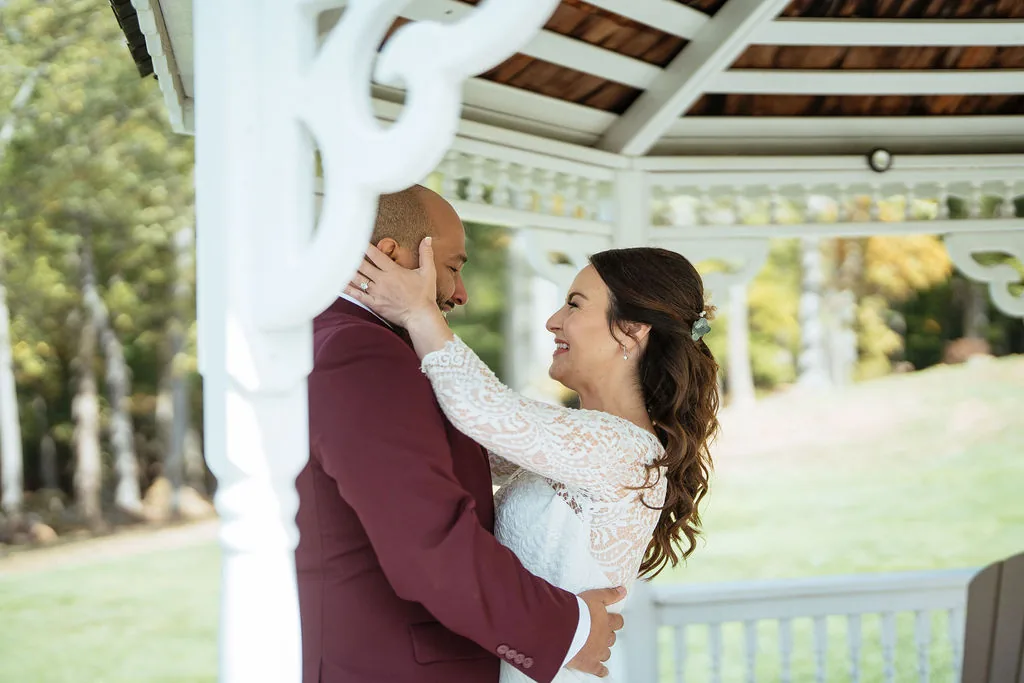
Schedule first look 2–3 hours before ceremony. This gives time for couple portraits afterward and lets you both be present and calm during the ceremony. The spacing prevents exhaustion before your most important moment arrives.
A first look scheduled 2–3 hours before ceremony gives adequate time for couple portraits immediately after (20–30 minutes) and lets you transition into the ceremony calm and emotionally connected rather than nervous. Longer waits (4+ hours) before the first look mean your photographer spends the entire time capturing getting-ready with less meaningful couple content afterward. Shorter timing (1 hour before) doesn't leave adequate time for quality couple portraits before guests arrive. Discuss your timing preference with your photographer at consultation so they know your preference and can suggest ideal timing based on your venue logistics, lighting, and available portrait locations.
How much time should we allocate for couple portraits?
Before ceremony (during getting-ready time) is more efficient and less stressful for your timeline. After ceremony is relaxed but eats into reception time significantly. Most couples prefer pre-ceremony to keep reception flowing smoothly and enjoying celebrations.
Pre-ceremony family portraits (with photographer arriving extra early): takes 15–30 minutes depending on how many family combinations you want captured, and happens during the getting-ready timeline while everyone is fresh and ready. Benefits: you're all looking fresh, lighting is still natural, ceremony isn't delayed, and you can relax once photos are done. Post-ceremony family portraits (during cocktail hour): more relaxed atmosphere, people less stressed, but takes time during reception. Most couples prefer pre-ceremony to keep reception energy flowing smoothly without interruption. Discuss your preference with your photographer at consultation and decide on timing together based on family preferences.
Should we do family portraits before or after the ceremony?
Before ceremony (during getting-ready time) is more efficient and less stressful for your timeline. After ceremony is relaxed but eats into reception time. Most couples prefer pre-ceremony to keep reception flowing smoothly.
Pre-ceremony family portraits (with photographer arriving extra early): takes 15–30 minutes depending on how many family combinations you want, and happens during the getting-ready timeline while everyone is fresh and ready. Benefits: you're all looking fresh, lighting is still natural, ceremony start time isn't delayed, and you can relax once photos are done. Post-ceremony family portraits (during cocktail hour): more relaxed atmosphere, people less stressed, but takes time away from reception socializing and dancing. Most couples prefer pre-ceremony to keep reception energy flowing smoothly. Discuss your preference with your photographer at consultation and decide on timing together.
How much time should our photographer be with us total?
Plan 8–10 hours for full day coverage: 4–5 hours getting-ready plus ceremony plus 3–4 hours reception. Some couples add early coverage or extend late into dancing and celebrations. Longer coverage captures more authentic candids.
Typical full-day coverage: photographer arrives 4–5 hours before ceremony for getting-ready (starting around 10–11am for a 3pm ceremony), stays through ceremony, cocktail hour, and reception (usually until 6–8pm). Total time: 8–10 hours. Some couples add early morning first-look-only coverage (2–3 hours), others extend reception coverage past cake cutting through dancing and grand exit. Discuss your specific timeline needs with your photographer during consultation and confirm what their standard packages include. Be clear about your preferred end time so expectations align.
When should we schedule our reception events (dinner, cake, dancing)?
Plan dinner to start 30–45 minutes after guests arrive. Schedule cake cutting 60–90 minutes into reception. Save first dance for natural energy peak, typically 90 minutes–2.5 hours into the evening.
Timeline flow: Cocktail hour (45-60 min) → guests enter reception space, dinner service begins → toasts during or right after dinner → cake cutting (typically 60-90 min after reception starts) → dancing and celebration. Space events naturally so they don't feel rushed. Don't schedule cake cutting too early (guests still eating) or too late (energy drops). First dance works best when guests have eaten, celebrated with toasts, and still have energy, usually 90 minutes to 2.5 hours into reception. Consult your photographer about ideal timing for capturing these moments.