What's the best time to shoot thank-you card photos, before or after the wedding?
Shoot before the wedding if possible. You're fresh, the dress is pristine, and light is ideal. Post-wedding photos work too if you've kept the dress and can reshoot within weeks. Order cards 2–3 weeks after to use fresh images.
Pre-wedding couple photos are ideal for thank-you cards. You're not exhausted, the dress is spotless, and you're not trying to recreate wedding-day hair and makeup. Many couples do a separate 1-hour session 1–2 weeks before the wedding, yielding 20–30 images to choose from. Pick 3–5 favorites for your photographer to retouch. Post-wedding works if you maintain your hair and makeup and the dress is in pristine condition, reshoot within 2 weeks maximum. Waiting months means wrinkles, fading, or cleaning marks on the dress. Some couples use single portraits of themselves for cards; others want couple photos. If you're doing a full engagement session months before the wedding, you can use those for cards. Plan this early: determine your timeline, inform your photographer, and pick the images for retouching before sending to your stationer.
What poses and compositions work best for thank-you card photos?
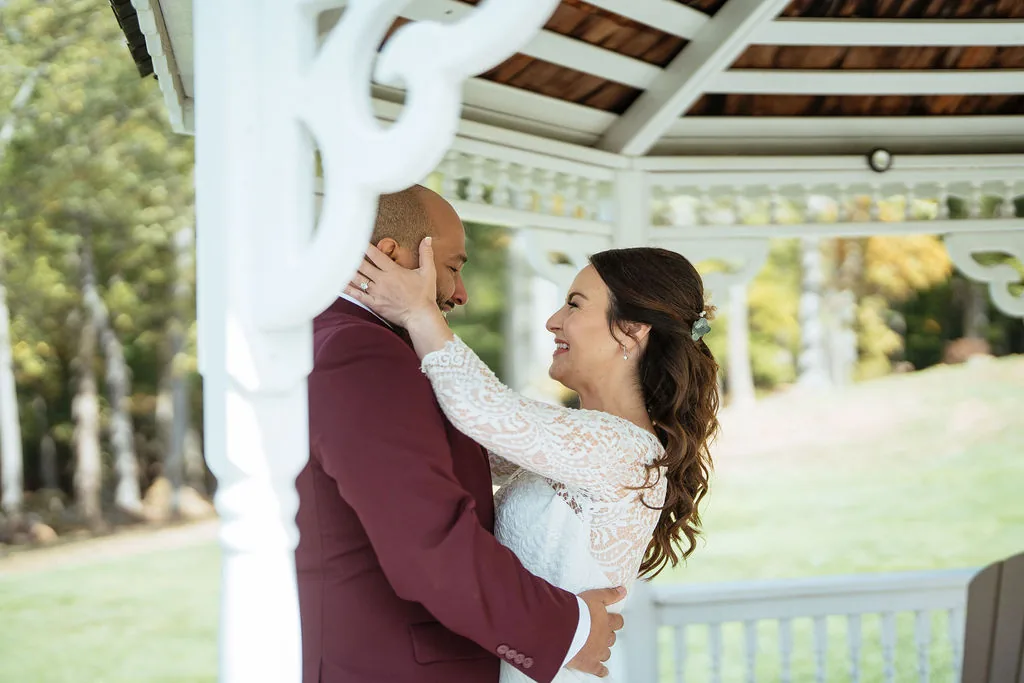
Simple, romantic poses work best: facing each other laughing, hands together, forehead-to-forehead. Use natural, uncluttered backgrounds (gardens, neutral walls, outdoor light). Avoid overly styled or trendy looks that date quickly or feel inauthentic. This prevents dated looks over time.
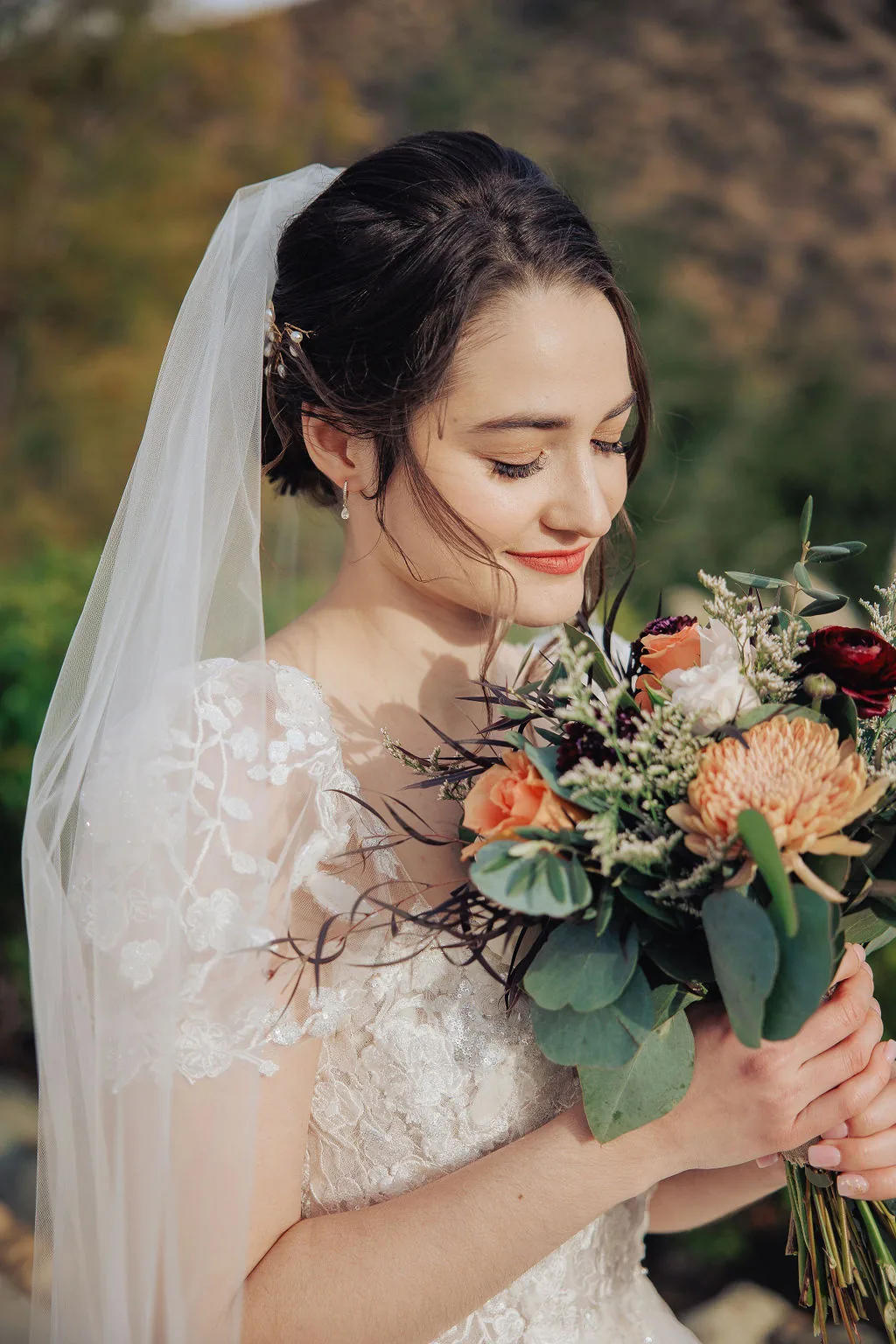
Thank-you cards are seen by guests for years; timeless beats trendy. Use soft, natural light (golden hour, overcast days, bright window light). Compose with simple backgrounds: a garden, a textured wall, a field, or natural backdrop. Poses should feel genuine, laughing together, gazing at each other, hands intertwined. Avoid heavily styled, overly technical poses that look stiff. Wear neutral or soft-colored clothing (not black or neon). Formal bridal wear (the dress) photographs beautifully, but so do simple, elegant separates (silk slip dress, linen pants, cashmere sweater). A close-up of your face and shoulders focuses attention on you, while a full-length pose shows the dress and setting. Shoot both options so you have variety. Avoid poses you'd never naturally do, guests recognize authenticity. Most photographers will suggest timeless options. Ask: "Which poses will look beautiful on a card in 10 years, not trendy in 2026?"
Should my thank-you card photo be the same as my wedding portraits, or should I shoot new images?
Shoot separate images. Wedding portraits capture the day's energy and venue; thank-you cards need timeless, simpler compositions. A dedicated session gives you options and keeps cards feeling special, distinct, and personal. This gives you backup options to choose from.
Wedding-day portraits are context-specific, you're at your venue, in ceremony attire, amid celebration. Thank-you card photos should stand alone without that context. A separate session (pre-wedding or within weeks post-wedding) lets you control the background, lighting, and pose more carefully. You get to choose neutral, timeless settings that work as a year-round image. Many stationers prefer portrait-style thank-you cards (face-forward, closer framing) over full-body ceremony photos. Shooting dedicated images also takes pressure off wedding-day timing, you're not rushed. Your photographer can spend an extra 30 minutes on poses and composition. The investment ($300–$600 for a dedicated session) is small relative to wedding photography and card printing. If budget is tight, your wedding photographer can suggest a few frames from wedding-day photos that work as cards. But a dedicated session is worth it.
How many thank-you card photos should I get taken, and how do I pick the final image?
Shoot 4–6 different poses and compositions (head-and-shoulders, full-length, laughing together, touching foreheads). Get 20–40 total images. Narrow to 3 favorites, have your photographer retouch, then pick one for the bulk card order. This creates lasting visual appeal and quality keepsakes.
A 1-hour thank-you card session yields 60–100 images (your photographer shoots in bursts). Work together on pose direction: "Now laugh naturally," "Look at each other," "Walk toward the camera holding hands." Afterward, narrow the gallery to your top 3 images. Send these to your photographer for retouching (brightening, skin smoothing, color correction). Retouch once; you'll make small tweaks for months and delay ordering cards. Pick your absolute favorite and send it to your stationer. Pro tip: do a side-by-side comparison on a phone, not just your computer, cards will be small, and readability matters. Show your partner, a trusted friend, or family member; sometimes a fresh perspective helps. Once you've chosen, order a small sample set (10 cards) to see how the image looks printed at card size before ordering 200.
What should I wear for thank-you card photos, the wedding dress or something simpler?
The dress photographs beautifully and feels special. But casual options (a silk slip, linen separates, or a simple white gown) work just as well and feel more versatile. Choose whatever makes you feel most like yourself.
The wedding dress is iconic and looks stunning on cards, it signals formality and romance. Simple alternatives often age better: a slip dress, soft linen suit, or elegant white gown reads timeless. Some couples wear what they'd wear to an anniversary dinner. Your comfort matters, if the dress feels heavy or stiff (especially post-wedding dry-cleaning), you'll tense up in photos. Many photographers suggest doing both: a few frames in casual attire and a few in the dress. This gives your stationer options and you two beautiful sets. Discuss with your photographer: "Should I wear the dress or something simpler?" They'll give honest guidance based on location and vibe.
How do I keep my thank-you card photos looking current and not dated in five years?
Avoid trendy poses, filters, or heavily stylized editing approaches. Use timeless compositions: simple backgrounds, classic poses, natural color correction. Choose a photographer who favors warm, timeless tones over trendy presets and digital filters. This keeps photos feeling contemporary and fresh.
Dated photos have signatures: over-processed colors (too orange, too cool), trendy posing (awkward angles, extreme cropping), heavy filters (black-and-white fades, Instagram preset looks), or overstylized scenes. Timeless thank-you cards feel warm, soft, genuine, and simply composed. Request your photographer shoot with a warm, classic color grade, not too contrasty or faded. Avoid heavy Photoshop edits (skin looks plastic, skin texture is erased). Natural skin with minor smoothing is better. Choose a neutral, simple background (garden, plain wall, field) over trendy setups. Poses should look effortless and genuine, not "Instagram." Ask your photographer: "What's your editing style? Do you use presets or custom edits?" and "Show me some thank-you card images you've created, do these still look fresh in 2026?" Their answer reveals their approach. A photographer who avoids trends will deliver images you'll love in 2031.