What's the ideal temperature range for a spring wedding?
Aim for mid-April through May when temperatures typically run 55–70°F, warm enough for outdoor comfort but cool enough that guests won't overheat in formal clothing. Late March is chilly (45–55°F); early June starts warming above 75°F. Mid-April hits the sweet spot.
Spring timing is deceptive. Late March might have snow or frost still lingering in many regions; early April averages 50–60°F but swings wildly (a March cold snap can drop it to 35°F, or an early heat wave pushes it to 75°F). Mid-April through May is reliably in the 55–70°F zone, comfortable for outdoor ceremonies and receptions without guests freezing or overheating. This window shortens the later you go east; Washington DC springs arrive a week earlier than Boston springs. Check your specific location's historical temperatures for your chosen dates. Late April in DC is gorgeous; late April in New England might still be chilly. As a rule, the second and third weeks of May are your most reliable spring window across most of the East Coast, good light, consistent warmth, and predictable weather.
How much rain should you expect at a spring wedding?
Spring averages 3–4 rainy days per week across most regions, so rain is a real possibility, not a worst-case scenario. Plan a tent or indoor backup as critical, not optional. Check the historical rain probability for your specific date, May typically has 30–40% rain risk, April 35–45%.
Spring is unpredictable. April showers aren't a myth; April and May both average higher precipitation than summer. A simple tent rental ($2,000–$5,000) gives you massive flexibility, you can hold an outdoor ceremony in light rain, and guests stay dry during cocktail hour. Without a tent, you need a rock-solid indoor backup venue locked in for that exact date. Spring rain is usually short-duration (30 minutes to 2 hours), not all-day downpours like fall, so a tent works beautifully for contingency. If you're booking a venue, ask about historical rainfall patterns for your specific date in past years, that's more useful than generic 'April is wet' guidance. Some couples lean into the rain; spring rain in gardens can be photogenic. Others find it stressful. Know yourself and plan accordingly.
What's the best way to incorporate spring florals without them dominating the décor?
Pair spring blooms with greenery and neutral tones so flowers feel fresh, not overwhelming. Use tulips, peonies, and ranunculus as accents rather than filling every surface with blooms. A few lush centerpieces and a simple bridal bouquet often feel more intentional than maximum color.
Spring florals, peonies, cherry blossoms, tulips, ranunculus, are abundant and reasonably priced (unlike winter flowers), which sometimes tempts couples into floral overload. The most tasteful spring weddings use restraint. A simple bridal bouquet (12–16 stems), lush centerpieces on tables, and ceremony arch flowers are enough. Avoid filling every corner with blooms; it reads as trying too hard. Pair flowers with greenery (eucalyptus, ruscus, ferns), neutral linens (cream, white, soft green), and minimal additional décor. If you're going simple on florals, you have budget room for better lighting, nicer linens, or upgraded catering. Some couples who love spring flowers save the abundance for a garden venue where the garden itself provides the heavy lifting, you don't need as much installed décor.
How do you coordinate getting ready in spring when outdoor light is bright and early?
Spring sunrises hit around 6–6:30am (depending on your date and location), so golden light for getting-ready photos happens 6–8am. Plan your getting-ready timeline with an early start so your photographer can capture that bright, warm window before the day gets harsh.
Spring daylight extends rapidly; sunrise moves from around 6:45am in early April to 5:30am by late May. This affects your photography timeline. If you want gorgeous getting-ready photos in soft morning light, you need to start the process early, 7–8am for makeup and hair, with your photographer arriving by 7:30am. The alternative is shooting in the harsher mid-morning light (9–11am), which is less flattering. Some couples do a first-look in the 8–9am window to capture that clear spring light, then cocktail photos during golden hour in late afternoon (5:30–6:30pm depending on your date). Brief your photographer on the spring light schedule; they'll want to know your timeline aligns with the available golden windows.
Should you plan an indoor backup space for spring getting-ready if the weather turns cold?
Yes. Late spring mornings can be surprisingly cold (45–55°F), which means bridesmaids in sleeveless robes feel miserable. Secure an indoor getting-ready space (bridal suite, hotel room, cottage) so you're comfortable regardless of temperature. Outdoor getting-ready photos can happen later when it warms up.
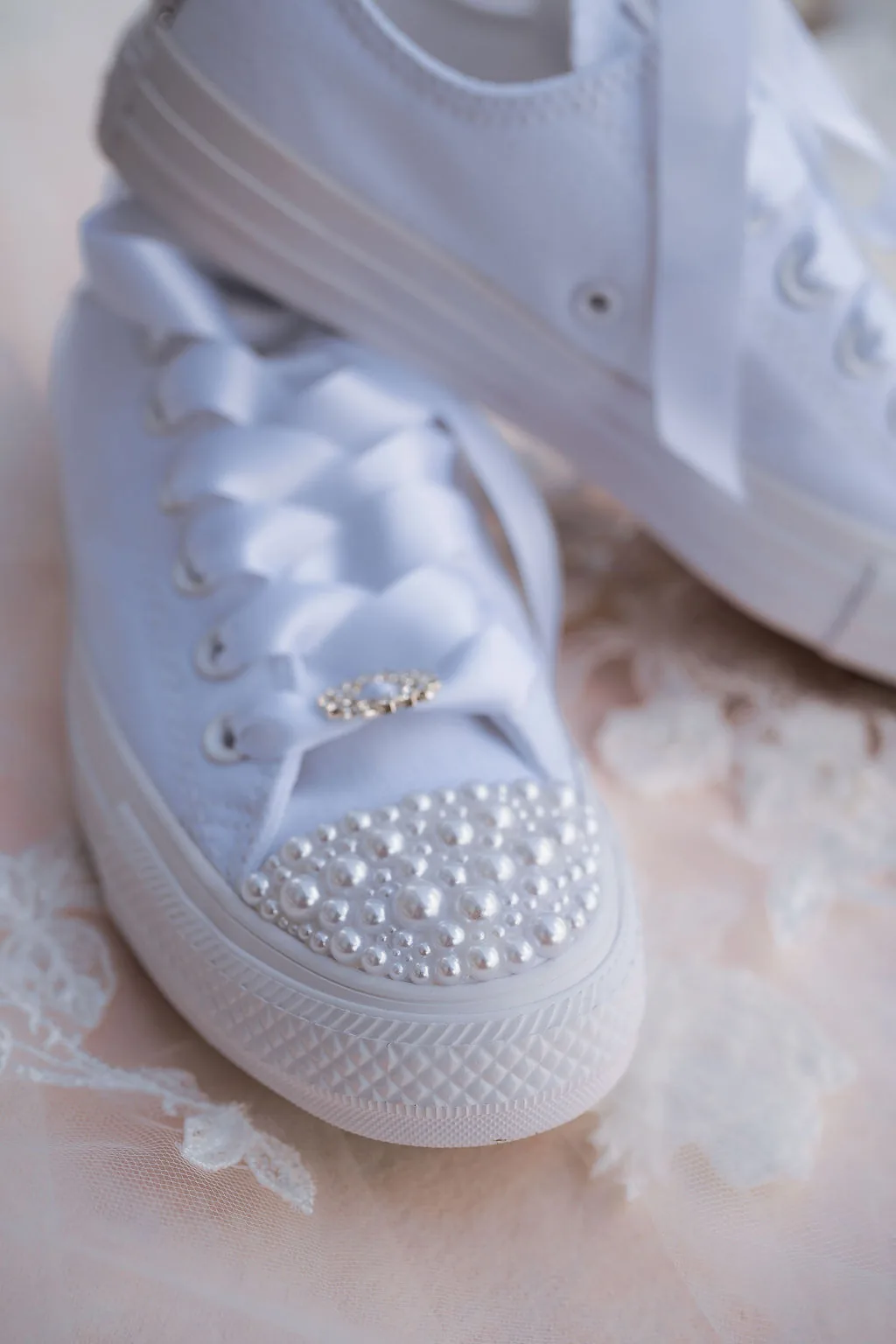
Spring mornings are deceptive. May might feel warm by noon, but 7–8am can still be 45–50°F, especially if the wedding is in early May or at a higher altitude or near water. Having your getting-ready happen in a heated indoor space, a hotel bridal suite, rental cottage, or venue's climate-controlled room, means bridesmaids aren't huddled in robes shivering while photos happen. You can still do outdoor getting-ready-adjacent photos (shots of the dress hanging, shoes, details on a garden bench) once it warms up, usually by 10am. This flexibility prevents the awkward choice between comfort and aesthetics. Communicate with your photographer upfront: 'We're getting ready indoors due to cold, but we'll do detail and outdoor shots at 10–10:30am when it warms up.' They'll plan the timeline accordingly.
What should you wear under your dress in spring to stay warm during the ceremony?
Consider a strapless slip or thermal undergown if your dress is sleeveless and the ceremony is outside. Shawls or wraps coordinate with your dress more intentionally than throwing on a random cardigan. Some brides do a separate ceremony shawl they remove for reception.
Spring ceremony temperatures often hit 50–60°F for early-morning or late-afternoon timing, and if you're wearing a sleeveless gown outside for 30–40 minutes, you'll be cold. Options: a thermal slip or camisole under the dress (keeps you warm, invisible to photos), a coordinated shawl or wrap that your family helps arrange before the ceremony, or a faux-fur stole rented specifically for the ceremony (you remove it for reception). Some brides pair this with heating, hand warmers tucked into the bouquet, a heat pack under the dress. Test your dress with your planned warmth layer in advance so nothing bunches or shows in photos. If you're walking outside between ceremony and reception, a wrap you can remove for photos is smarter than shivering visibly. Plan this detail early; it's easy to overlook until the rehearsal.