Can you have a second wedding ceremony if you were already married before?
Absolutely. Many couples opt for a second ceremony to celebrate their relationship publicly or include different traditions, family members, or spiritual practices from their first marriage. It's completely valid whether you're renewing vows or starting fresh with a new partner after a previous marriage ended.
Second ceremonies take many forms. Some couples renew vows after 10–25 years together, keeping it simple with just family present. Others remarry after separation and want a full celebration that includes kids from previous relationships or honors a different cultural or spiritual tradition. You'll want to clarify with your officiant or religious leader whether they see this as a renewal or a new ceremony, some traditions treat them differently. The logistics are simpler than a first wedding; you already know what you like and what to skip.
How do we handle kids from previous relationships in our ceremony?
Involve them explicitly and age-appropriately. Kids can read a poem, stand in the wedding party, walk you down the aisle, exchange rings, or simply sit front-row. Ask each child what feels comfortable to them rather than imposing a role. Many kids appreciate being seen and included instead of sitting as spectators.
The most meaningful second ceremonies make space for blended family dynamics. Older kids (12+) often have clear preferences, some want a visible role, others prefer to observe. Younger kids benefit from knowing their part in advance; a rehearsal with just them can ease nerves. If children are walking you down the aisle or giving a reading, practice it beforehand. Some couples do a unity ceremony involving kids (lighting a candle together or stepping on a stone). The key is avoiding surprise roles that make anyone uncomfortable.
Should we invite the same people or a different guest list?
That depends on your comfort and goals. Many couples invite fewer people to a second ceremony, maybe 25–50 close family and friends instead of 150, to keep it intimate. Others invite entirely different circles. There's no right answer; invite whoever feels authentic to this chapter of your relationship.
If your first wedding involved family conflict or awkward exes, a second ceremony is your chance to start clean. You might invite only people who know and support both of you now, excluding complicated family dynamics. Conversely, if your first ceremony was elopement-style and you want extended family involved, this is the moment. A smaller, intentional guest list often feels less pressure-filled than a first wedding's obligation-driven headcount. Make your invitations clear, if it's not a 'bring your new partner' situation or if kids aren't invited, say it upfront to avoid confusion.
Is a second wedding ceremony less formal than a first wedding?
Not necessarily. You set the formality level. Some couples plan elegant black-tie second ceremonies; others do casual backyard events with potluck dinners. What matters is that it feels true to who you are now, not a checklist inherited from first-wedding expectations.
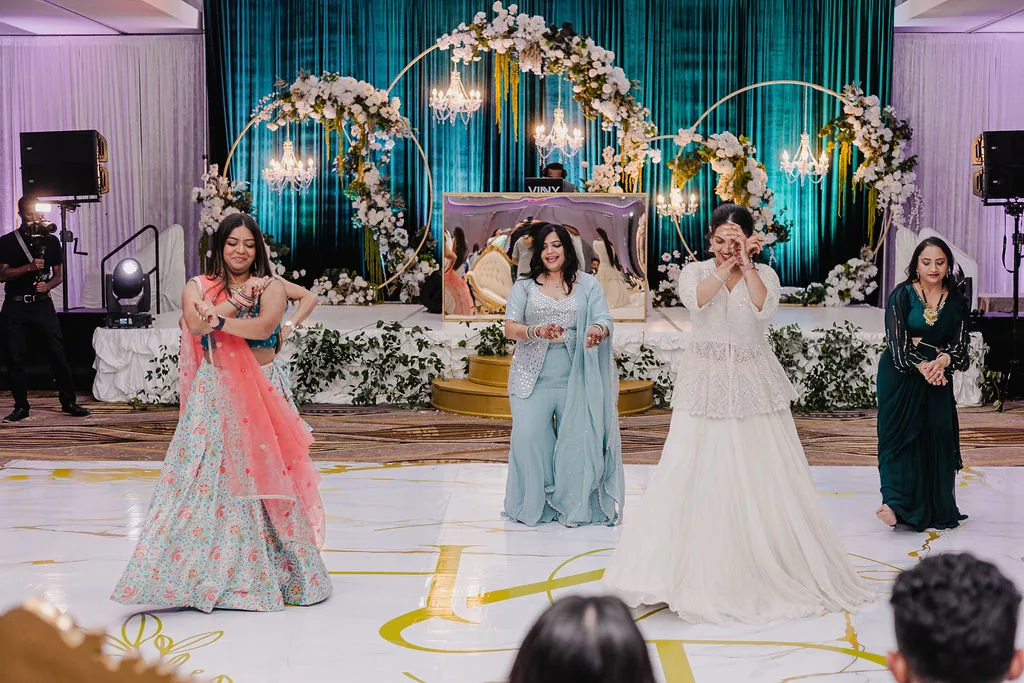
Second ceremonies often feel more relaxed because there's no external pressure to 'do it right', you've already done it once, so you know what actually matters to you. That freedom means you might skip traditional elements (no processional, no first dance, no bouquet toss) and add things you love instead (long ceremony vows, a friend DJ, a hiking-boots aesthetic). The formality is entirely your call. We've photographed elegant second ceremonies in gardens with full catering and casual ones in someone's living room with champagne and cheese, both were deeply meaningful.
What's the etiquette around gift-giving for a second wedding ceremony?
Guests are never obligated to give gifts at a second ceremony, it's optional. If you're concerned about it, don't register and mention 'your presence is the present' on invites. Guests who want to give usually do so anyway, especially if the ceremony is formal or a destination event.
Second ceremonies carry different expectations than first weddings. Some guests will give gifts; many won't. If you do want gifts but feel awkward about it, experience-based registry options work well, a honeymoon fund, kitchen upgrades, or charitable donations in guests' names. Avoid language that sounds like you're asking for presents; letting 'the presence is the present' be implied works better. If you're already established and financially secure, explicitly declining gifts is also graceful. The tone should be 'we just want you here,' which is often genuinely true at this stage.
How do we write vows for a second wedding when the circumstances are complicated?
Write vows that honor what this relationship is now, not a comparison to your past. Skip apologies or explanations about previous marriages; focus instead on why this person and this partnership matter. Your vows should affirm your present and future, not revisit the past.
Second-wedding vows often ring deeper because you've learned what partnership actually demands. You might promise to communicate better, not take things for granted, or prioritize your relationship over external chaos. Include specifics about this person, a quirk you love, a way they showed up for you, rather than generic marriage language. Some couples acknowledge the kids or blended family directly in their vows. Avoid language that sounds regretful about the past; there's nothing wrong with having been married before. Keep vows to 2–3 minutes, roughly 400–500 words, so they're meaningful without dragging.