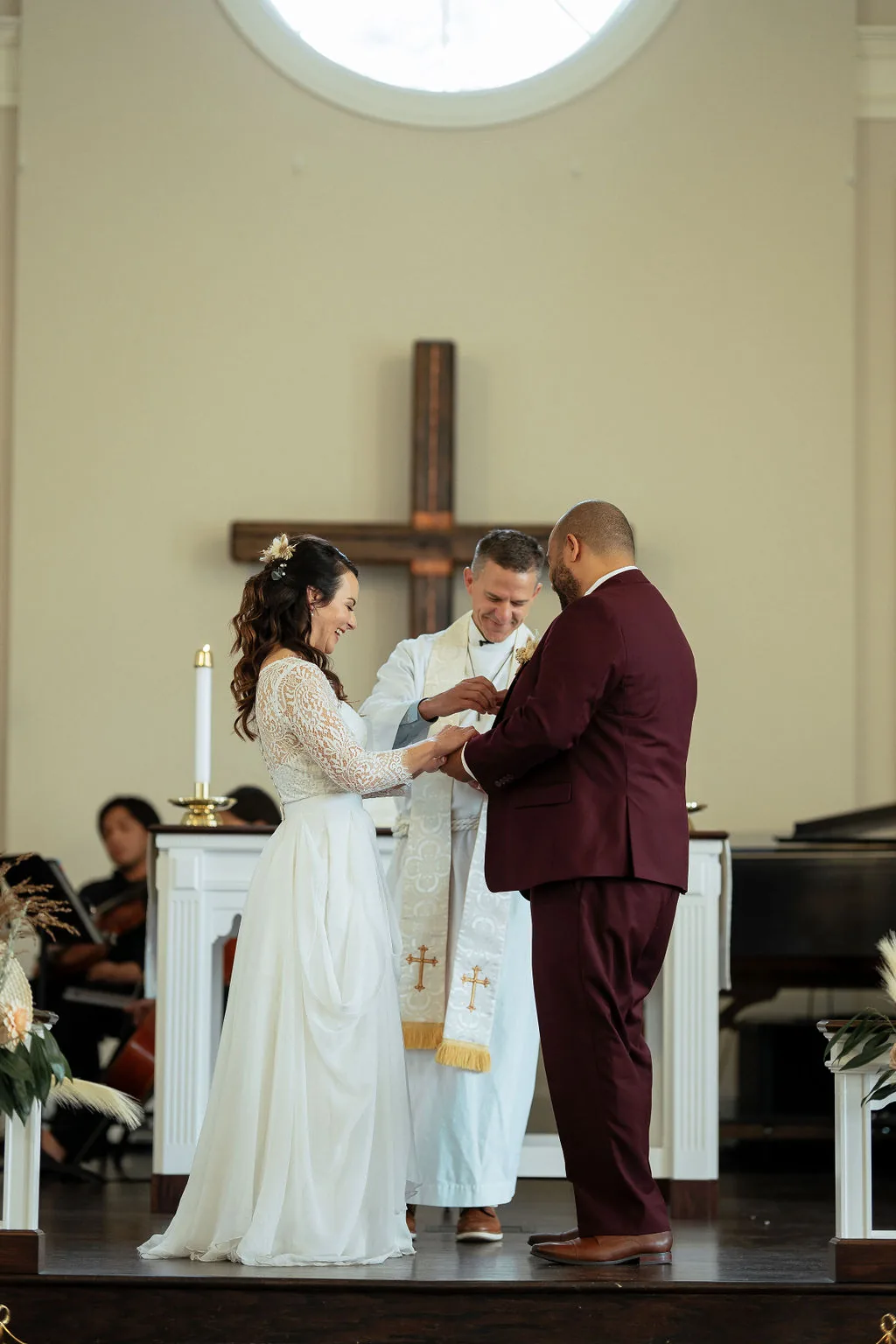
What's the right order to shoot reception photos so nothing gets missed?
Shoot details and tables immediately when guests arrive, before centerpieces tip and chairs get moved. Photograph the cake and gift table next, then move to candids of guests eating and dancing. Save toasts and first dances for when the energy peaks, usually 45 minutes to 1.5 hours in.
Arrive 30 minutes before guest entry. Photograph an empty ballroom first: the head table, centerpieces, ambient lighting, the entrance, bar setup, and cake. Then shoot table details and place settings. When guests arrive, capture cocktail hour candids, guests mingling, the food display, transitional moments. Once dinner starts, photograph toasts and reactions from multiple angles. The first dance typically happens during or just after the meal; be in position 10 minutes early. Work backward from your timeline: if sunset is 7:30 p.m., schedule cake cutting for 6:45 p.m. so you catch golden-hour light through the windows. End with dancing and late-night details.
How do I make sure key family photos get taken at the reception?
Create a shot list with your photographer beforehand, list the specific family combinations you need (grandparents, siblings, cousins). Assign one trusted family member to wrangle people, or hire a coordinator. Brief your photographer 30 minutes before you need these photos, not during the event.
The biggest mistake couples make is waiting until the reception to decide on family photos. Create a list: all-family shots, each parent's side separately, just the couple with mom and dad, siblings, godparents. Give this to your photographer at the rehearsal. On the wedding day, assign one person (sister, best man, or coordinator) whose only job is gathering people when the photographer is ready. Family photos work best during a natural lull, after toasts, before dancing begins. Give your photographer 15 minutes and clear instructions: "We're doing all 8 combinations in this room, starting in 5 minutes." Without this, you'll miss shots and have chaos.
Should I have my photographer shoot all the food, or is that overkill?
Photograph the food that took time or money to arrange, the cake, appetizers, cocktail displays, and plated dinner service. Skip plain bread plates. Food photos should look natural, shot in ambient light with guests visible, not sterile closeups.
Food photography at receptions works best when it's contextual and natural. Shoot the cake table with the backdrop and any signage. Photograph appetizers being passed or displayed during cocktail hour, guests in frame give scale and energy. Capture a plated dinner shot as service begins, showing how it's presented. Dessert and late-night snacks are also worth documenting. What to skip: individual place-setting shots (takes forever), every single dish, or extreme closeups that look more restaurant-styled than wedding. Food should feel like part of your celebration, not a separate studio shoot. Most photographers include 50–75 food shots without being asked, so you'll have plenty to choose from.
How do I photograph the cake cutting without it looking awkward or messy?
Pose with the cake knife before you cut, smile at each other with hands on the knife, slice together in one smooth motion, then feed each other small, clean bites. Instruct your photographer to shoot the posing phase, the first cut, and the feeding moment. Keep it 3–5 minutes total.
The cake cutting is one of the most photographed moments, so plan it. Set the cake where you have good light and a neutral background. Position yourselves so the photographer can shoot from the side and front. Hold the knife together, take a few smiling shots, then make your cut together in one moment, not hacking away. Many couples feed each other playfully (not shoving); a gentle, genuine moment reads better than overdone "messy" moments. Chill the cake slightly before the event so it cuts cleanly. Brief your photographer: "Get us from the left, then the right as we feed each other." The whole thing should take 5 minutes. Most guests don't linger; they want dessert.
What candid moments should I remind my photographer not to miss during dancing?
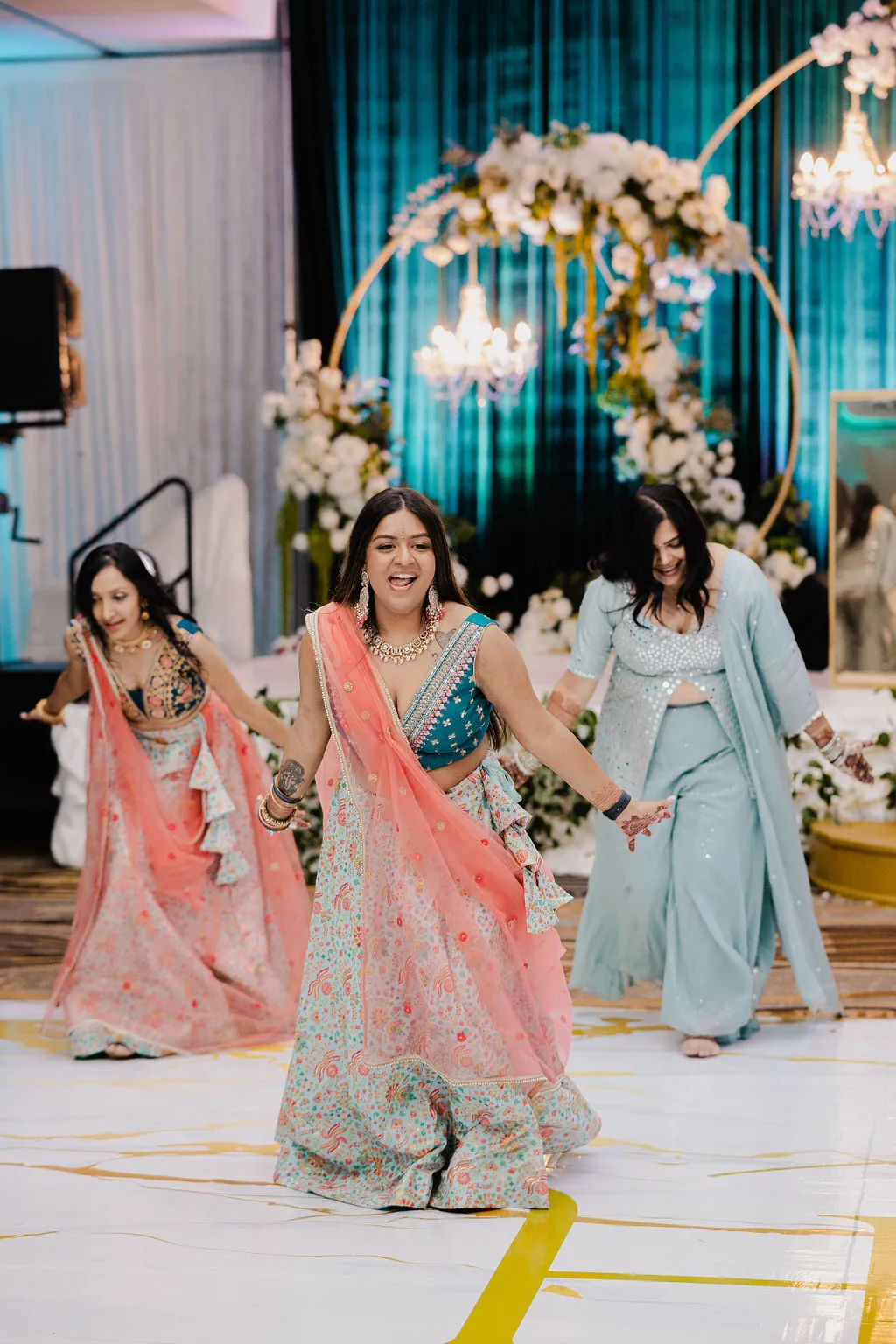
The first dance, parent dances, grandparents joining, funny moments where your dad tries to dance, friends laughing hard, and the final group dance as you're leaving. These are the moments that feel most real, instruct your photographer to capture genuine reactions, not posed moments.
Dancing brings out authentic joy and humor. Brief your photographer: "Shoot the first dance from multiple angles, then get reactions from the crowd." When your dad takes your mom for a dance, capture him looking proud or goofy. When your best friend jumps into the group dance, that's gold. These aren't posed; they're genuine laughter and connection. Most photographers naturally catch these, but sometimes they're so focused on you that they miss the guest reactions. Ask them to shoot wide shots of the dance floor with your circle, not just closeups of you two. The stories in dancing, your uncle doing his signature move, your grandmother swaying, matter more than perfect framing.
How much time should we dedicate to couple portraits during the reception?
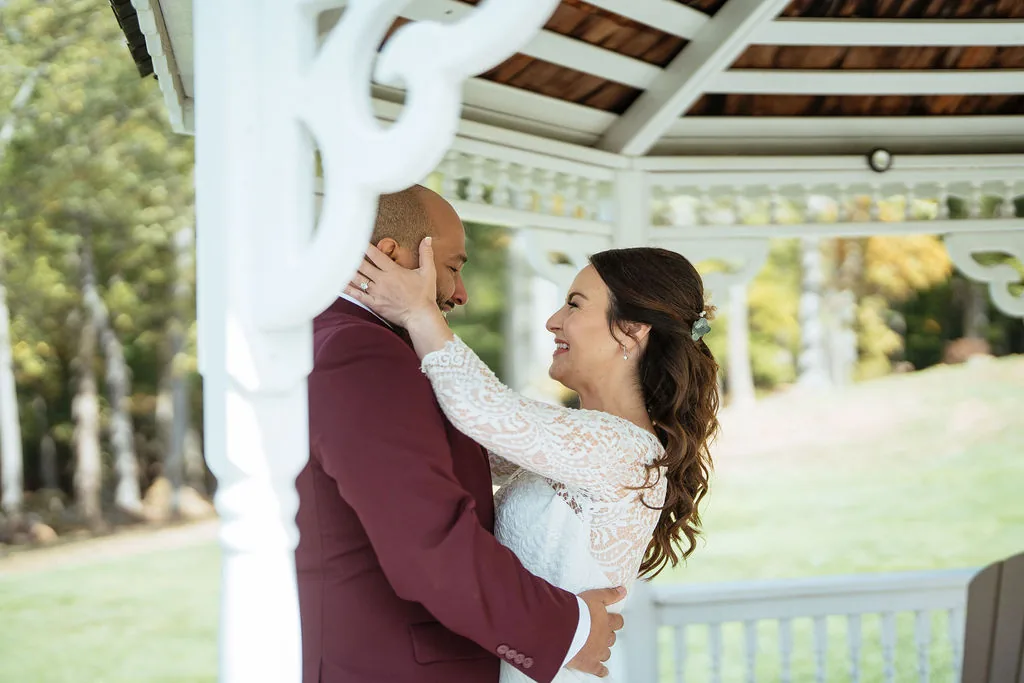
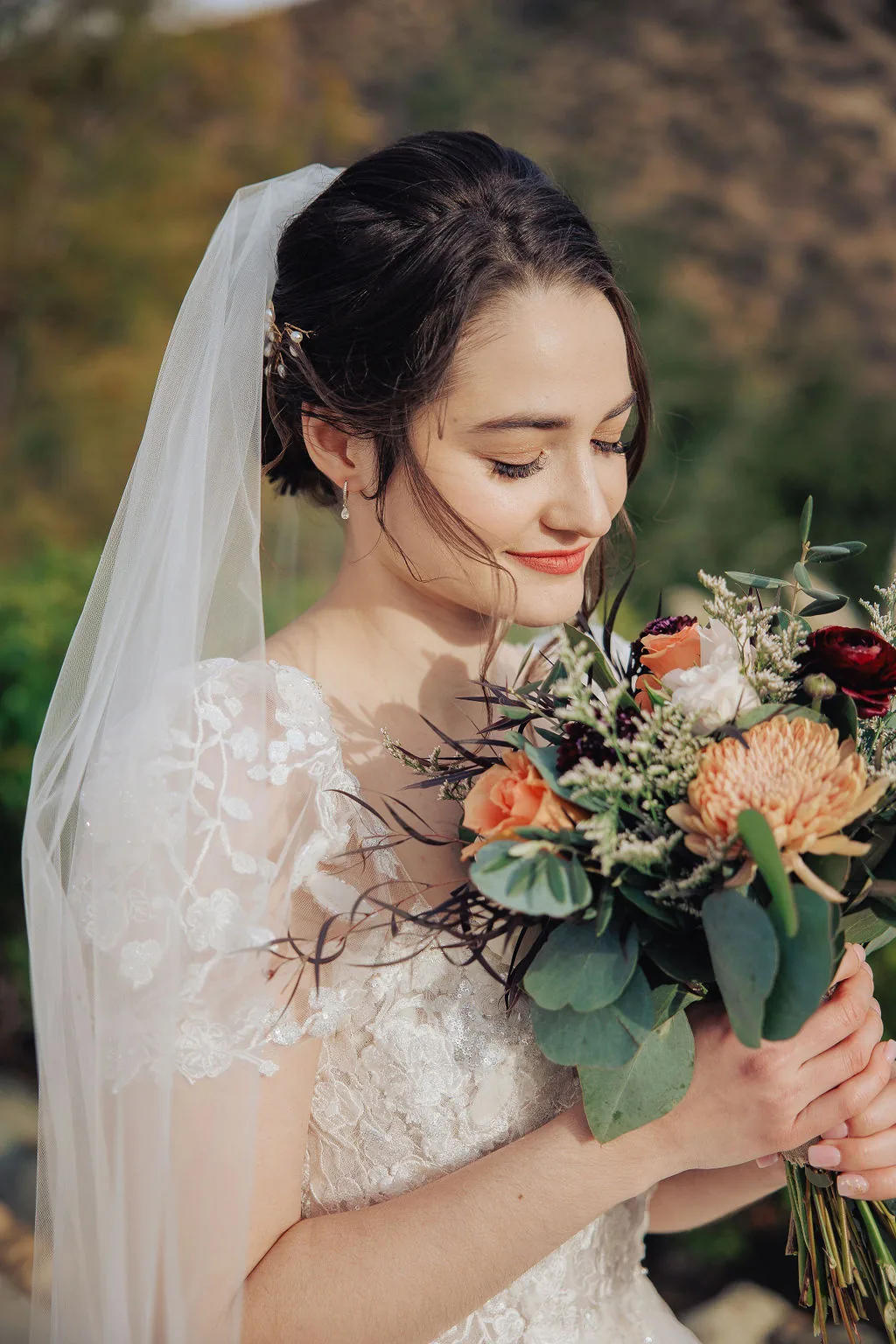
Plan 10–15 minutes for 2–3 locations on your wedding day. Reception couple portraits work best right after the ceremony (before everyone's sweaty) or during a cocktail hour break. Keep these quick; your guests want to see you celebrating, not posing.
Many couples schedule a dedicated couple-portrait session earlier in the day (between ceremony and reception) rather than stealing time from the reception. If you're doing them at the reception, aim for 10–15 minutes during a natural lull, right when guests are eating appetizers and mingling. Find two nice backdrops: one indoors (the entryway, a corner with good light), one outdoors (garden, veranda). Keep it moving: three poses per location, then you're done. Longer couple sessions happen before the reception, not during it, so you can dance and enjoy your guests.