What's the biggest risk with an outdoor wedding ceremony?
Weather is the #1 risk, wind knocking over flowers, unexpected rain soaking your guests, or brutal sun during vows. You need a rain plan and backup venue before the day arrives. We've seen ceremonies moved indoors in under 30 minutes when couples planned ahead.
An outdoor ceremony has no roof, which means zero protection from rain, heat, cold, or wind. That's why the best outdoor ceremony plans include a tent (budget $1,500–$4,000), a covered pavilion, or a genuine indoor backup you can access the morning of. You'll also need a sound system that works outdoors, outdoor venues have ambient noise from traffic, wind, and neighbors that can drown out your vows. Test it beforehand. Sun exposure means guests in direct sunlight for 30–45 minutes, so provide shade (umbrellas, tent, or a location with natural shade) and water stations.
Do we need permits for an outdoor wedding ceremony?
Most outdoor venues need permits, they're required by local parks, beaches, and private land. Permits typically cost $50–$500 and take 2–6 weeks to process. Your venue coordinator usually handles this, but confirm in writing before signing the contract.
Permits vary wildly by location. National parks, state parks, and county green spaces require permits. Private property sometimes doesn't, depending on local zoning laws and neighborhood bylaws. Always ask your venue contact directly: "Do we need a permit?" and "Who files it?" Get it in the contract. Processing times range from instant (some county offices) to 6 weeks (popular parks during peak season). You'll need liability insurance (your photographer needs it too). The permit usually specifies guest count, hours, parking, and noise restrictions, read it carefully.
How do we handle sound and music at an outdoor ceremony?
Outdoor sound needs a PA system, microphone, and speaker placement to reach all 100+ guests without feedback. Wind muffles sound, so budget $300–$800 for a rental and a tech to manage it. Test it during rehearsal.
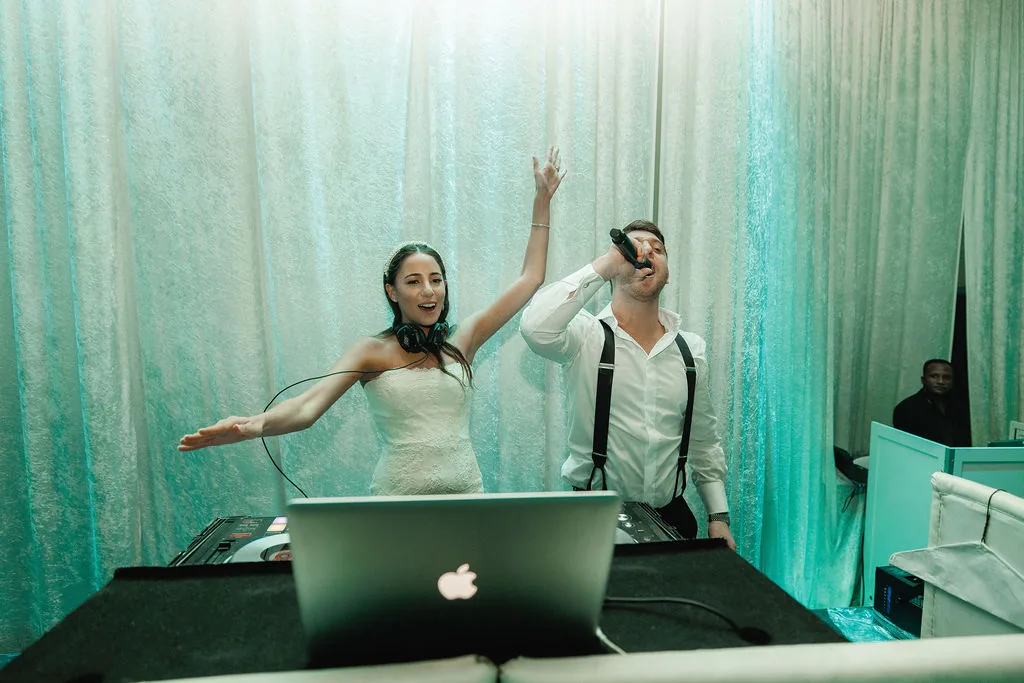
Outdoor ceremonies need a proper sound system, just your DJ's speakers won't cut it. You'll need a microphone for vows or readings so everyone hears, a speaker placed toward guests (not away), and someone monitoring levels during the ceremony. Wind is the enemy: it distorts sound and carries it away. Your DJ or sound tech should arrive early and do a full soundcheck. Some venues charge extra for outdoor sound. Also check your permit for noise restrictions, many parks have strict cutoff times (6 PM, 8 PM, etc.). Have a backup playlist on a phone in case of tech failure.
What's the seating arrangement for an outdoor ceremony?
Arrange chairs in rows facing the altar, with an aisle down the middle. Budget 18 inches per person for comfortable seating. Leave space for a photographer to move without blocking guest sightlines.
Standard outdoor ceremony setup: bride and groom facing guests, officiant to the side or center, aisle running down the middle for the walk. Rows of white chairs (rentals $2–$4 each) seat about 3–4 people per row width. Uneven ground? Rent chair leg pads ($0.50–$1 each) to prevent tipping. Front rows for immediate family, next rows for extended family and close friends, back rows first-come-first-served. Leave the back row open for late arrivals and photographers. Don't block your photographer's angles, ideally they shoot from two sides (usually back-left and back-right). Give your photographer the ceremony layout 48 hours ahead.
How far in advance should we book an outdoor ceremony venue?
Book 9–12 months out for peak seasons (May–October), 6–9 months for shoulder seasons. Popular parks fill fast, and you need time for permits and planning. Off-season ceremonies (November–April) can book with 3–6 months' notice.
Outdoor venues, parks, gardens, beaches, fill quickly. May through October are peak season; couples book 9–12 months ahead. If you're getting married in September, start looking in November. Shoulder seasons (April, November) are easier to book (6–9 months). Winter weddings (December–February) rarely fill up and can be booked 3–6 months out. Once you've picked the date and location, you'll need 4–8 weeks to secure permits, 4–6 weeks to confirm vendors (caterer, tent rental, sound), and another month for fine-tuning details. So book the venue itself first, it's your anchor for everything else.
Can we have a backup indoor plan for an outdoor ceremony?
Absolutely, and you should. Backup plans need a nearby indoor space (tent, pavilion, or building) where you can move guests in under 30 minutes. Confirm access and have a weather decision deadline (typically the morning of).
A backup indoor plan isn't a luxury, it's required. Your options: rent a tent at the same venue (most reliable), have a nearby building (banquet hall, church, restaurant) booked as insurance, or use an indoor/outdoor venue with both spaces included. Communicate your weather-call deadline to guests in advance (email or wedding website). Most couples decide by 8 AM the day of. If you're not deciding until noon, that's too late, vendors need notice to reset for indoors. Get a signed contingency clause in your venue contract that specifies which backup space you'll use and how quickly it can be accessed. A good rule: if rain is forecast at 30% or higher the day of, move indoors.