What's the difference between a Nikah and a Walima, and do you need both?
A Nikah is the formal Islamic marriage contract, the legally binding ceremony between you, your fiancé, and witnesses. A Walima is the celebration and feast afterward, traditionally hosted by the groom's family. Technically, a Nikah alone is the requirement.
The Nikah is the Islamic marriage contract, signed in front of two witnesses and an Imam or authorized person. It's brief, formal, and legally binding. The Walima (or Waleemah) is the celebration, a feast or party, traditionally hosted by the groom's family to announce the marriage. Historically, the Walima was a large community gathering; today, it's often a reception dinner or catered event. Some couples combine both on the same day (Nikah ceremony, then Walima celebration); others separate them by weeks or months. Some hold only a Nikah. It depends on your family's tradition.
Do you need to follow specific Islamic dress codes, or is there flexibility?
Yes, there are guidelines: modest clothing, and for women, often a headscarf (hijab). The exact requirements depend on your family's interpretation of Islam and cultural tradition. Talk with your family and Imam.
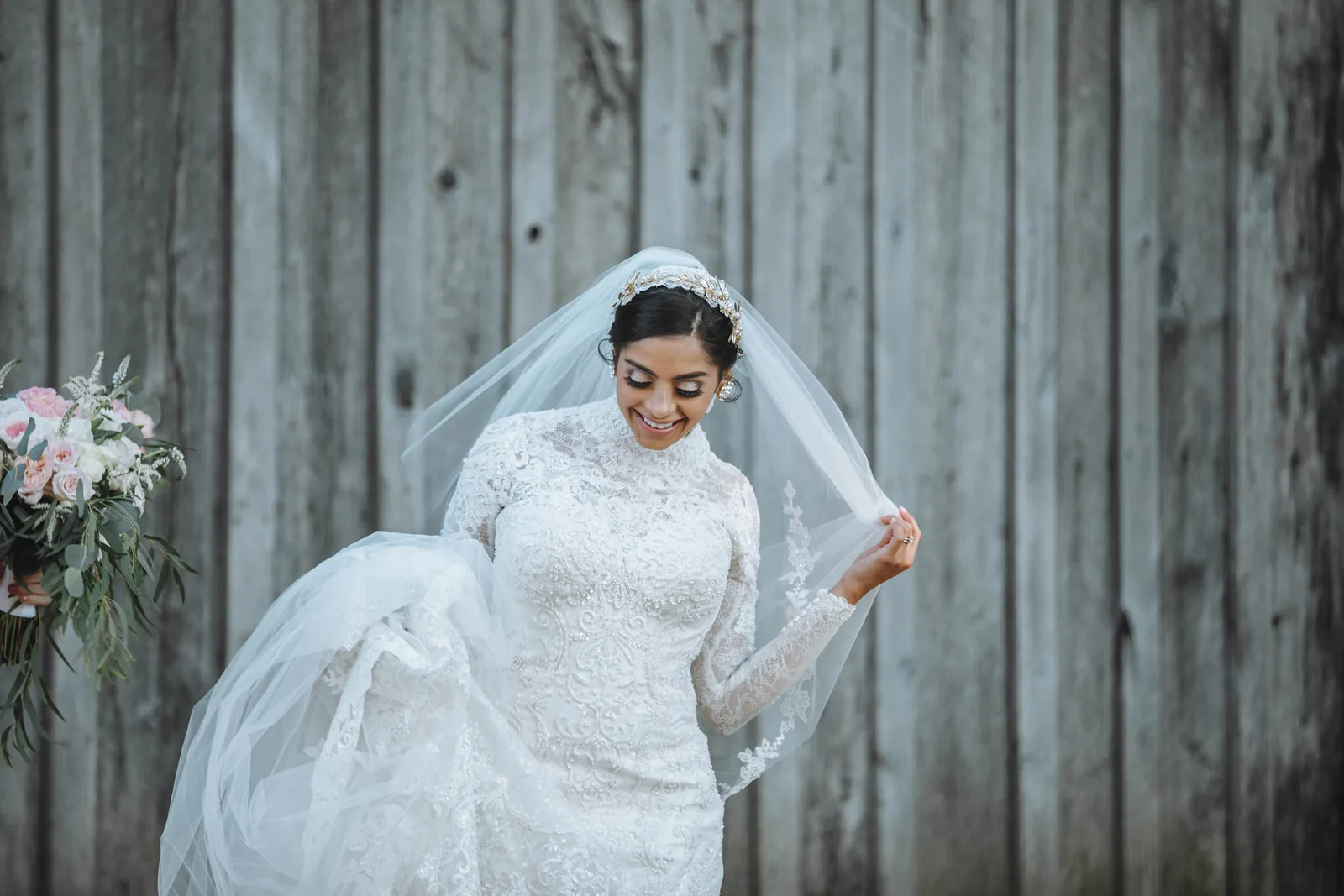
Islamic modesty guidelines vary by interpretation and culture. Generally, women wear clothing that covers most of the body, often including a hijab (headscarf). Men typically wear formal attire (a suit or traditional clothing like a thobe). But what counts as 'modest' shifts: some families are strict (full coverage, niqab optional); others are flexible (a nice dress with a hijab). Pakistani or Arab traditions might have specific styles; an Indonesian tradition might look different. Your family's comfort matters, and your Imam can clarify expectations. Have a conversation about dress codes.
Can you include non-Muslim family members or friends in the ceremony, or is it only for Muslims?
It depends on your family and Imam, but non-Muslims can typically attend the Nikah ceremony as observers. The actual contract signing involves you, your partner, and witnesses, so attendance rules are more flexible.
Most Imams welcome non-Muslim family and friends to witness a Nikah ceremony, it's an educational moment and shows respect to your wider community. However, some traditions restrict attendance to Muslims only, or separate men and women. The formal contract involves you, your fiancé, and two witnesses; everyone else observes. For the Walima celebration, non-Muslim guests are typically welcome and celebrated, it's a party. Talk with your Imam and family about their preferences. If you're marrying someone from a different background, being explicit about inclusion shows respect.
How do you plan a Muslim wedding when your family is split between practicing and non-practicing members?
Focus on what matters most: a respectful Nikah with your immediate family first, then a Walima celebration that feels authentic to you and respects everyone's comfort level. Setting clear expectations, like 'the ceremony has no alcohol, and everyone's welcome to attend', prevents last-minute conflict and confusion.
Religious diversity within families is real and sometimes tense. Some family members might have strong opinions about dress, alcohol, music, or mixing of men and women. Your role is clarity: explain your traditions respectfully, set boundaries kindly, and invite people to participate within your framework. 'We're having a Nikah ceremony without alcohol, and everyone's invited' is firm but gracious. Some families compromise by having a formal religious ceremony, then a mixed celebration party. Others prioritize the religious moment. You can't please everyone, but respecting your own faith and communicating clearly prevents conflict.
What's the typical timeline for planning a Muslim wedding?
Traditional timelines are similar to other weddings, 6–12 months, but some Muslim couples expedite after engagement. If parents are involved in arrangements, the timeline might be shorter (3–6 months). It depends on your family's customs.
In some Muslim cultures, engagements lead quickly to marriage (3–6 months), especially if parents arranged the meeting. In others, couples date longer and plan a traditional 12-month timeline. Factors affecting speed: parental involvement (speeds things up), religious significance of certain dates (Ramadan, Eid), and whether you're planning a Nikah-only ceremony (quicker) or a full Nikah plus Walima (longer). Many U.S.-based Muslim couples take 8–12 months to balance cultural expectations with their own pace. There's no 'right' timeline, it's about your comfort.
Can you have a Nikah and a traditional wedding ceremony (religious + secular) on the same day?
Yes, many couples do, a Nikah ceremony in the morning or afternoon, then a reception or secular ceremony later after all events conclude. It requires careful timing and potentially two venues, but it's done.
A combined approach works well for interfaith couples or those wanting to honor both Islamic and secular traditions. Example: Nikah ceremony at 2 p.m. with immediate family, then a 6 p.m. reception and secular vow exchange for the broader community. Or a Nikah at a mosque, then a dinner party Walima-style at a restaurant or venue. The logistics require coordination (timing, venue proximity, attire changes), but it's increasingly common. Talk with your Imam about flexibility, most are accommodating if you're thoughtful about the order and timing.