What's changed in wedding planning since the pandemic, and what actually stuck around?
Smaller, more intentional celebrations stayed popular, not everyone reverted to 200-person weddings. Outdoor ceremonies are more common. Couples now ask 'What do I actually want?' instead of following tradition. In 2026, 40% of couples choose celebrations under 100 people, compared to 15% pre-pandemic.
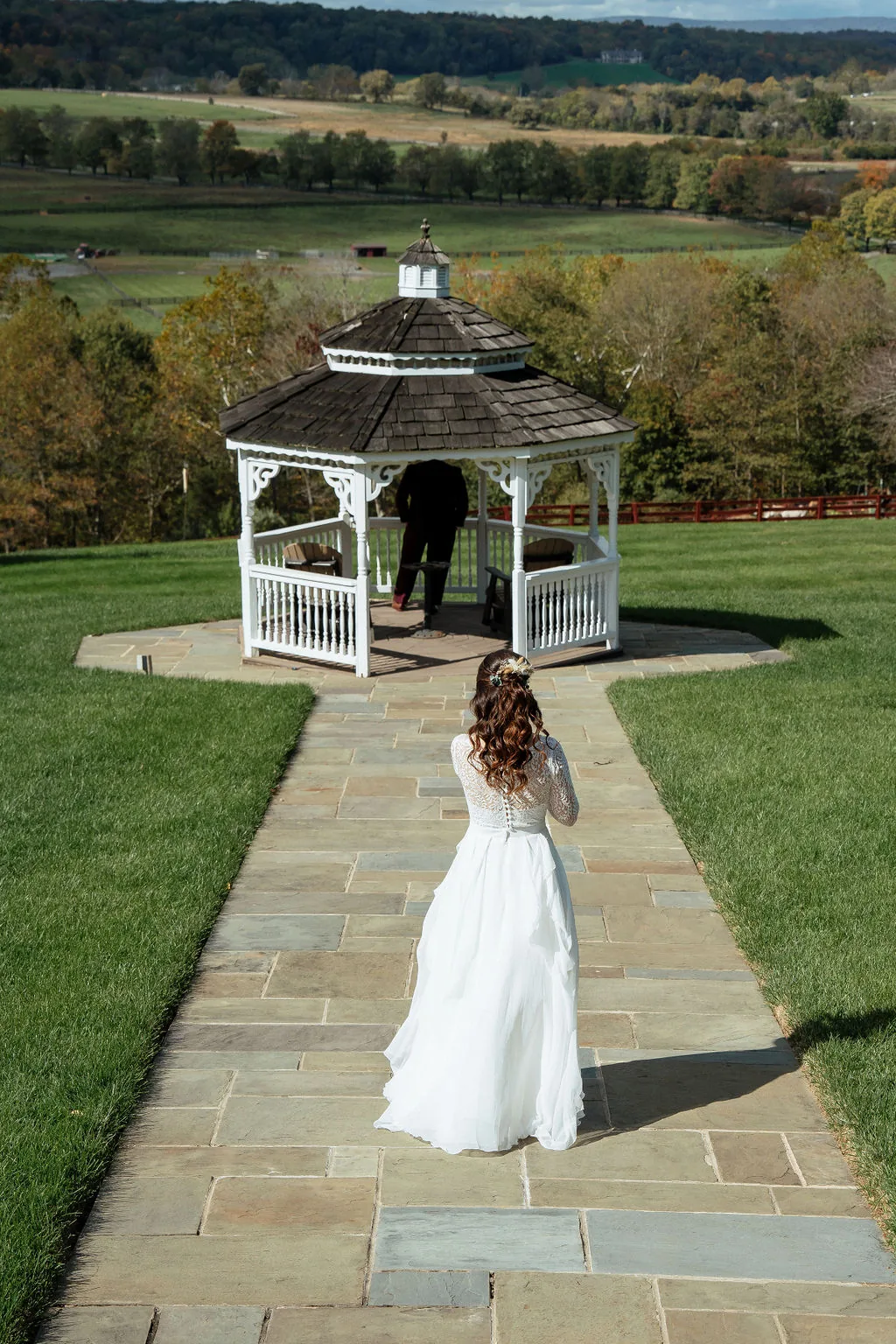
Pre-pandemic, the default was a 150+ person ballroom wedding by design. Now, couples are more honest about what they want: 75-person backyard celebrations, elopements, two-day festivals with close friends, or multi-event celebrations spread over months. Outdoor weddings moved from optional to common, couples know what weather backup feels like now. Vendors have become more flexible about dates, guest lists, and capacity because everyone learned plans can shift. Virtual elements (live-streaming for far-away family, recorded vows) remain an option many couples use. The biggest shift: couples stopped automatically doing what parents did.
Should you build 'flexibility' or backup plans into your wedding, or is that paranoid?
Flexibility isn't paranoid, it's practical. Have a rain plan for outdoor events, a backup date option with your venue, and indoor alternatives. You won't need them. Roughly 1 in 5 couples need to use a backup plan due to weather or circumstances, being prepared saves thousands and eliminates panic.
Smart couples now plan with flexibility built in: if your ceremony is outdoor, confirm the venue has a covered area or nearby indoor backup. If your wedding is a specific date, confirm the venue can move you if circumstances demand. Ask vendors their cancellation and rebooking policies upfront. Some couples book optional date-change insurance. You probably won't use these backups, but knowing they exist is psychologically powerful. The pandemic taught us that unexpected things happen; planning for them doesn't jinx you, it just calms you. It's like insurance, you hope you don't need it.
Are couples still worried about COVID, or has it moved past weddings?
Some couples are, some aren't, it's personal. Most aren't making COVID protocols the centerpiece, but some do ask vendors. You control your event if protocols matter. In 2026, about 15–20% of engaged couples ask about health protocols, down from 80% in 2021.
Post-pandemic (2026), COVID isn't the planning focal point it was in 2021–2022. Most venues don't enforce mandates; most couples don't require them. But some couples, especially those with immunocompromised family or guests, still discuss comfort levels. You can request that vendors be vaccinated, that masks are optional but available, or that high-risk guests have a quieter space. The difference from pandemic-era weddings: it's optional and low-key, not mandatory and anxiety-inducing. If you or your guests are vulnerable, communicate that early. You're not imposing.
Has the 'wedding budget creep' issue gotten better or worse since the pandemic?
Worse, in some ways. Couples are doing more events (ceremony, reception, brunch, rehearsal dinner, multiple celebrations) over longer periods. Smaller guest lists helped some couples. The median U.S. wedding budget in 2026 is $33,000–$36,000, almost unchanged from 2019, but spread across more events.
Pre-pandemic, a wedding was typically one event: ceremony and reception. Now, couples host elopements, then family dinners months later, plus a celebration with friends. That's three events instead of one, the overall cost stays high or rises. However, some couples pared down to 50 guests instead of 150, which genuinely reduced costs by 30–40%. Venue inflation and vendor pricing remain high post-pandemic, so a 2026 wedding isn't cheaper than 2019. The twist: couples are more intentional about spending. Less automatic upgrade-creep, more 'Do we actually want this?' That mindfulness helps.
Do virtual guests or live-streaming at weddings make sense, or should you skip it?
Live-streaming works if you have far-away family who can't attend the ceremony. Skip it if everyone invited can be there in person, since half-streaming creates awkward dynamics. Professional live-streaming equipment costs $1,500–$4,000 and requires a dedicated operator, not worthwhile unless 20+ people are watching remotely.
Virtual ceremonies for far-away guests are practical and kind, your 85-year-old grandma in another country gets to witness the moment. Recording the ceremony and sending it after is also generous. Real-time Zoom guests during a reception, though, creates weird dynamics: they can't interact with anyone, the camera's awkward, and in-person guests feel self-conscious. If you're doing a hybrid event, be intentional: live-stream the ceremony with high production value, then have a separate in-person celebration. Don't half-stream a reception. If everyone invited lives within traveling distance, skip virtual.
How do you handle guest anxiety about attending a large wedding in 2026?
Be transparent about logistics, venue ventilation, outdoor options, food safety, if someone asks. Most guests will assume normal 2026 protocols. You don't need to announce fears. Fewer than 10% of guests in 2026 raise health concerns when invited to a wedding, so overexplaining feels outdated.
In 2026, most people assume standard-era wedding protocols: normal spacing, standard catering, no masks unless you choose them. If an older or vulnerable guest asks about your health protocols, answer honestly. 'We're not requiring vaccines, but our venue has good ventilation, outdoor cocktail hours are available, and food is handled safely' is honest and kind. You don't need to police guest health or create special protocols unless a guest directly asks. Most will attend with baseline normal-era assumptions. If you have family with significant health concerns, address it individually, they might want to attend virtually.