What actually defines a cottagecore wedding, and how is it different from rustic?
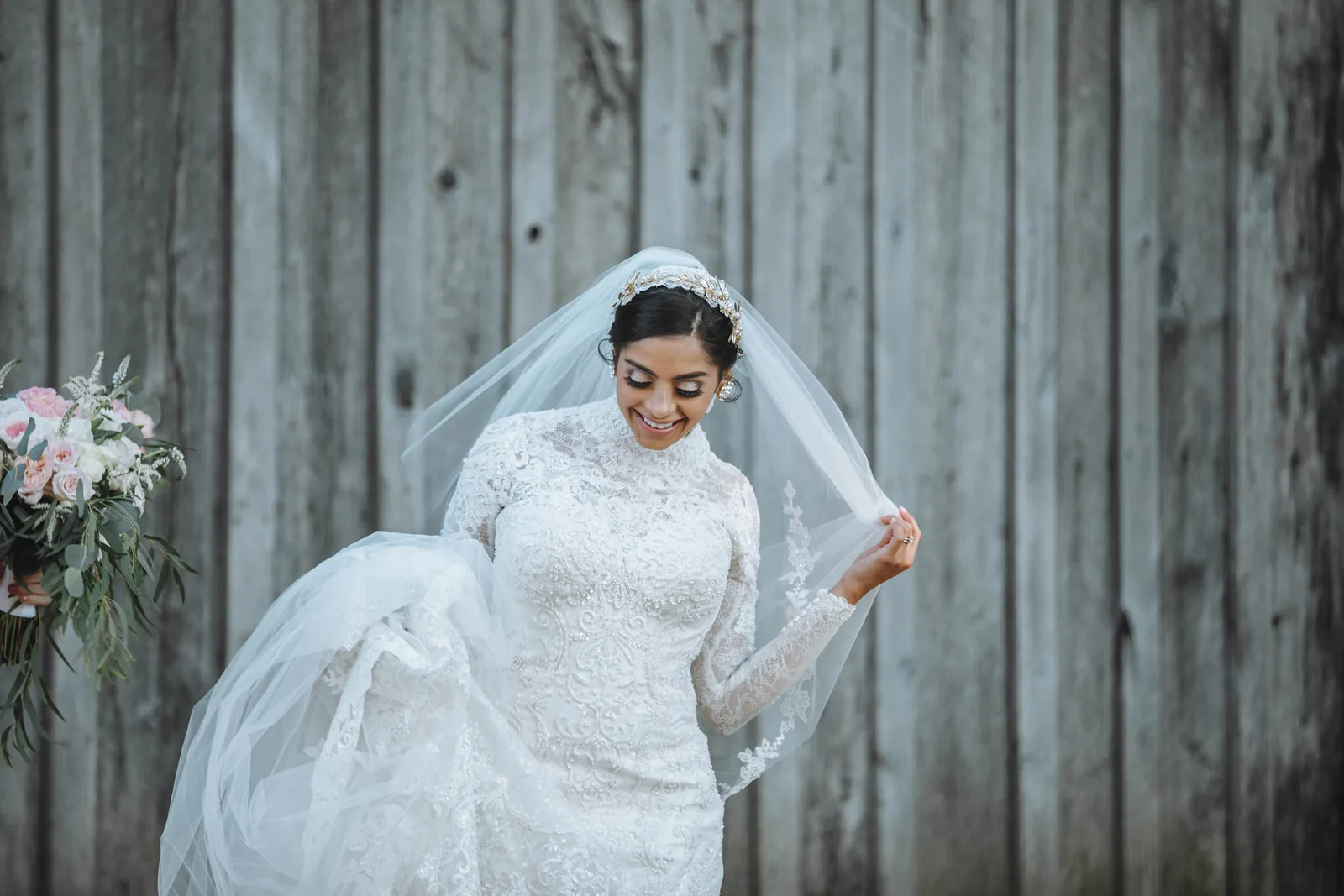
Cottagecore weddings lean into storybook elements: vintage lace, wildflowers, garden romance, delicate details, and romantic touches. Rustic is earthy and rough; cottagecore is ethereal and dreamy. Cottagecore is more feminine and fussy with details; rustic is simpler and grounded.
Cottagecore pulls from fairy tale imagery: English cottage gardens, vintage linens, wildflower bouquets, lace details, soft pastels, and nostalgic elements like vintage suitcases or handwritten menu cards. It feels romantic, dreamy, and intentionally vintage-adjacent (not actually vintage, new things made to look vintage). Rustic, by contrast, is more earthy: raw wood, exposed beams, cowhide, natural fibers, neutral tones. A cottagecore wedding might have vintage lace overlays on tables; a rustic wedding has burlap. Cottagecore leans feminine and fussy with details; rustic is simpler and more rugged. That said, they can blend: a barn venue dressed with lace, wildflowers, and romantic details is cottagecore-rustic. The key distinction is the feeling, cottagecore should feel like a storybook or an English countryside dream, not just a pretty garden. Too many cottagecore elements without an aesthetic vision looks chaotic and like you grabbed every "cute" Pinterest pin. Intentionality turns cottagecore from "chaotic themed wedding" into "cohesive romantic celebration."
How do we use wildflowers in a cottagecore wedding without looking like we just grabbed weeds?
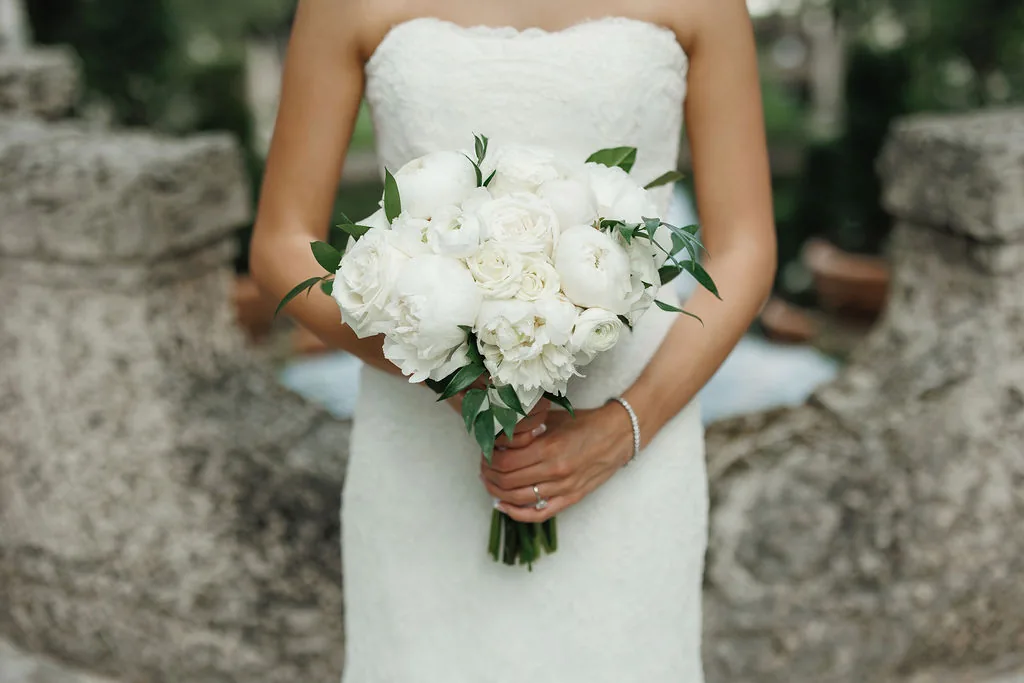
Work with a florist who understands cottagecore aesthetics, loose, abundant arrangements with mixed heights and textures. Use garden roses, ranunculus, lisianthus, greenery, and delicate wildflowers. Budget $15–$25 per person for florals.
Cottagecore florals should look like someone walked through a cottage garden and gathered the best stems, not a precise, structured arrangement. This requires a florist who gets the vibe. Ask for loose, abundant arrangements with mixed textures and heights, not tight pyramids. Garden roses (softer than hybrid tea roses), ranunculus (layered petals, romantic), lisianthus (delicate), and greenery create depth. Add actual wildflowers (Queen Anne's lace, yarrow, sweet peas, nigella) if they're in season, but they're pricier and need special care. A bouquet might be $75–$125; ceremony arrangements $100–$150 each; centerpieces $50–$75. This is expensive but worth it for a cottagecore aesthetic, cheap florals will look cheap, not romantic. If budget is tight, use greenery-heavy arrangements (50% greenery, 30% garden roses, 20% filler flowers). Greenery is cheap and adds fullness. Also ask about pastel colors (blush, cream, sage, soft peach) rather than bold brights, pastels read as more romantic and cottage-like.
What are the cottage core decor elements that tie the aesthetic together?
Lace overlays, vintage elements (suitcases, old books, mason jars), handwritten signage, candles, fairy lights, vintage china, and lots of greenery. These details make it feel intentional, not just a garden party.
Cottagecore details create the atmosphere. Layer lace over linens (even simple white linen under lace feels instantly cottagecore). Use vintage or vintage-looking elements: old suitcases, stacked books, antique frames, mismatched vintage china and glassware. Handwrite menus and place cards (or have calligraphy; crisp printed cards feel corporate). Decorate with candles everywhere, votives, taper candles in vintage holders, pillar candles, they're romantic and relatively affordable ($1–$3 per candle). String fairy lights or bistro lights overhead (soft, warm light, not harsh). Fill corners and tables with abundant greenery, eucalyptus garlands, fern arrangements, potted plants. Use milk glass, vintage vessels, and mason jars for flowers instead of modern vases. The key is layering small details, it's not one big statement, it's 50 small touches that collectively feel cohesive. The budget can be low or high: you can thrift vintage elements or buy new ones; you can DIY handwritten cards or hire a calligrapher. Cottagecore works on any budget if you have time to gather details and vision to tie them together.
How do we make sure our cottagecore wedding doesn't look chaotic or like a Pinterest board threw up?
Choose a limited color palette (cream, blush, sage, white), repeat details (lace appears on linens AND bouquets AND hair; greenery appears everywhere), and edit ruthlessly. Less detail executed intentionally beats more detail scattered randomly.
Danger: overcrowding and too many details. To avoid chaos: (1) Lock a color palette: cream, blush, sage, white only. No random jewel tones breaking the mood. (2) Repeat details intentionally. If lace is your signature, use it on the cake, centerpieces, bridesmaid dresses, and invitations. Repetition creates cohesion. (3) Edit ruthlessly. Vintage suitcases are pretty but you don't need 12. Pick a few statement pieces placed intentionally. (4) Consider venue. Manicured gardens naturally read cottagecore. Industrial spaces need more work to feel authentic. (5) Create a mood board assigning categories (florals, linens, details). No single category overpowers others. A beautiful cottagecore wedding feels like a cohesive story, not a collage.
What's a good venue for a cottagecore wedding?
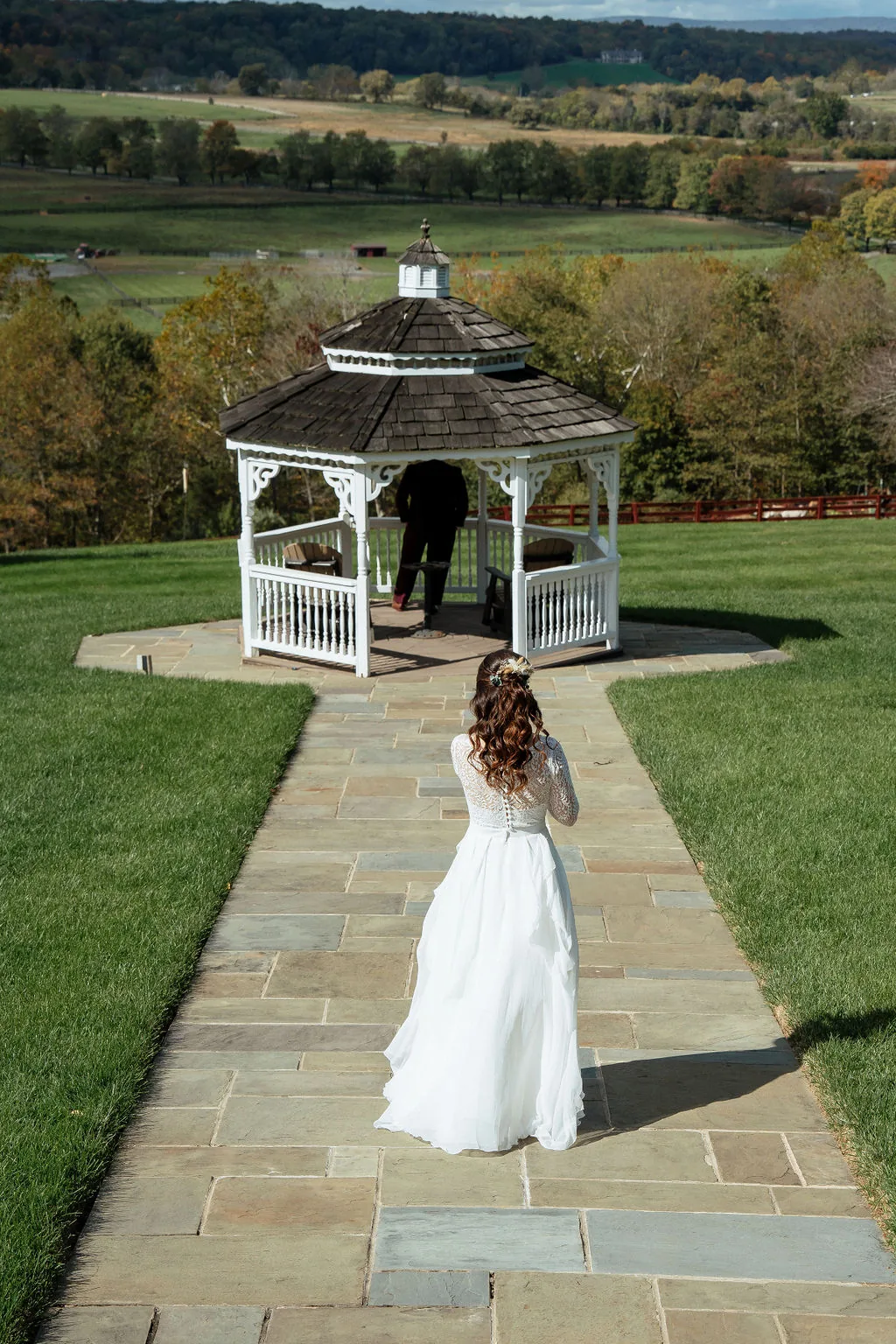
Gardens, farm properties, barns with garden backdrops, vineyards, and countryside estates read naturally cottagecore. Historic homes and meadows work too. Avoid industrial lofts, modern ballrooms, or venues that fight your aesthetic.
The best cottagecore venues already have romantic bones: overgrown gardens, mature trees, wildflower fields, rustic barn structures, or historic homes with period details. A manicured garden venue makes the aesthetic easy, you're just adding florals and details. A farm venue with open fields and wildflowers is naturally cottagecore. A barn with ivy-covered walls is your shortcut to atmosphere. Vineyards and orchards work if there's a romantic garden element, not just vines. Avoid venues that fight your vision: concrete industrial spaces, modern glass ballrooms, sterile hotel venues, you'll spend your budget fighting the architecture instead of enhancing it. If you love a non-cottagecore venue, you can add elements, but it's more labor-intensive. A beautiful cottage-aesthetic wedding starts with the venue. Scout places in spring or summer when gardens are in bloom (they look drastically different in winter). Ask the venue about their property's natural features, mature trees for string lights, existing gardens, wildflower areas. Use what's already there instead of creating everything from scratch.
How much should we budget for a cottagecore wedding, and where does money go?
Cottagecore can range from $8,000–$25,000+ depending on guest count and details. Florals, venue, and linens are the biggest costs. DIY elements (calligraphy, small decor, greenery gathering) can cut costs significantly.
Cottagecore doesn't have to be expensive, but it's detail-heavy, which adds up. A 75-guest cottagecore wedding: venue ($2,000–$5,000), catering ($25–$40/person, $1,875–$3,000), florals ($15–$25/person, $1,125–$1,875), linens and rentals ($800–$1,500), photography ($2,500–$4,000). Total: $8,300–$15,375. A 150-guest wedding doubles that. Where you can save: (1) DIY handwritten calligraphy or invitation design. (2) Thrift vintage decor elements instead of buying new. (3) Use abundant greenery from nature (ferns, branches) instead of expensive florals. (4) Limit florals to ceremony and centerpieces; skip every small detail. (5) Borrow vintage items from family. (6) Limit your color palette and details to reduce visual clutter (this actually saves money because you're not buying 50 different accent colors). The money-saving secret of cottagecore: it looks expensive because of intentionality and details, not necessarily cost. A friend with taste helping you gather thrifted elements might give you better results than a wedding planner charging 15% of your budget.