What should a wedding ceremony videographer focus on?
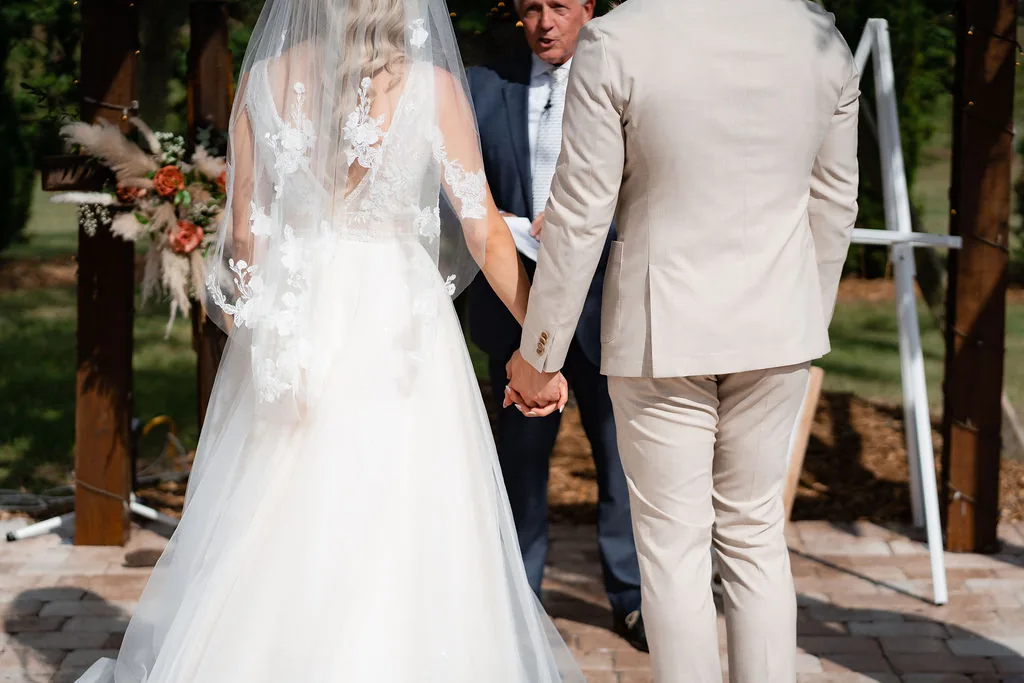
A ceremony videographer captures the processional, vows, first kiss, and walk back down the aisle. But the magic is in reactions, parents crying, guests smiling, the groom's face when the bride appears. A great ceremony video is emotional, not just technical.
Ceremony videography is all about emotion. Yes, you need clear audio of vows (use a wireless microphone so you hear every word). You need wide shots showing the full ceremony space. But what matters most are close-ups: the groom's expression when his bride reaches the altar, happy tears on parents' faces, the moment your officiant pronounces you married. A two-camera setup (one wide, one roaming) captures both the overview and the intimate moments. Audio is critical, couples always regret inaudible vows. Your videographer should have a backup wireless mic in case the primary fails. Avoid shaky handheld movement during vows; steady shots let the emotion breathe. The best ceremony videos feel like you're experiencing the day again, not like watching surveillance footage.
How long should a wedding ceremony video be?
A complete ceremony video runs 20–45 minutes depending on your ceremony length. Most couples want an edited highlight reel (3–8 minutes) for sharing and a full edited video (20–30 minutes) as the keepsake.
Ceremony length varies: religious ceremonies run 30–60 minutes, civil ceremonies 10–20 minutes. Your videographer captures the full thing (the raw footage is 30–45 minutes). But most couples want two versions: an edited highlight reel (3–8 minutes) with key moments set to music, perfect for sharing at your reception, on social media, or at anniversary parties. And a full edited version (20–30 minutes) that's a keepsake, maybe edited with color grading and background music, maybe just cleaned-up raw footage. Ask your videographer what's included. Some include both; others charge extra for the highlight reel. The highlight reel is what you'll actually watch multiple times. The full version is the family archive.
Do we need a second camera operator for ceremony videography?
Ideally yes. One operator captures wide shots and processional, a second gets reaction close-ups and vows. A single operator can do it, but you'll miss moments. Budget $500–$1,500 extra for a second videographer.
A single videographer can cover ceremony, but you'll have gaps: if they're zoomed in on your face during vows, they miss your groom's reaction. Two operators (primary videographer and an assistant or second videographer) give you full coverage. One stays wide to show the full scene; the second moves for close-ups on faces, details, hands, and emotional reactions. This is especially valuable if your ceremony has unexpected moments (a guest's outburst, a ring bearer stealing the show, your dog walking down the aisle). Two operators cost extra ($500–$1,500 on top of the primary videographer's fee), but the complete coverage is worth it if your budget allows. If you can only hire one videographer, ask them to focus on close-up reactions and clear audio, you can piece together wide shots from still photography.
What audio problems happen during ceremony videography?
Inaudible vows, wind noise in outdoor ceremonies, and background music overpowering the officiant's voice are common issues. Use a wireless microphone clipped to the groom or officiant. Test it during rehearsal.
Audio is the #1 regret in ceremony videos. Outdoors, wind muffles everything. Indoors, the sound system might not be set up for video recording (it's optimized for live sound, not capturing dialogue). The solution: a dedicated wireless microphone (lavalier or lav mic) clipped to the groom's lapel or the officiant's robe. This picks up vows clearly, regardless of wind or ambient noise. Your videographer should have a backup mic and backup batteries. During rehearsal, do a full audio test with the videographer standing where they'll record. Ask: "Can you hear us clearly?" Many couples skip this rehearsal detail and regret it. Also confirm how the background music will be managed, if there's live guitar or musicians, you need multiple audio tracks so the music doesn't bury dialogue. Ask your videographer how they'll mix these tracks in post-production.
Should we hire a videographer if we have a photographer with video capability?
Not always. A photographer's video is a byproduct of their stills work. A dedicated videographer focuses on emotion, audio, and motion. If budget is tight, a photographer's video is fine. For a keepsake, hire a dedicated videographer.
Many photographers offer video as an add-on, they shoot video during the ceremony while capturing stills. This works for a basic highlight reel. But a dedicated videographer makes video their primary focus: they think about pacing, emotion, music, color grading, and narrative flow. They're also positioned differently (not holding a camera for stills) and can roam more freely for reaction shots. Video requires different skills than photography, sound design, pacing, editing. A photographer doing both well is juggling two jobs. If you have a limited budget, ask your photographer if video is included in their package or what it costs as an add-on. If it's affordable and they've shown you video samples you love, it's fine. If it's a luxury add-on and you can only do one, invest in a dedicated videographer. Video is the one medium that captures emotion and dialogue. Stills are beautiful, but video is how you experience your wedding day again.
How do we position our videographer so they don't block guest photos?
Position the videographer off to the side (not directly behind you) and in line with your photographer so they don't block each other's shots. Scout the space before the ceremony and mark camera positions.
Videographer and photographer should communicate. Ideally, they're both positioned to the left or right of the aisle (not directly behind you facing your back), and offset from each other so neither blocks the other's shot. A diagonal setup works well: photographer at back-left, videographer at back-right, or vice versa. Outdoor ceremonies are easier to position because there's more space. Indoor ceremonies in narrow churches are tight, your videographer might need to be in the front row or a side room. During rehearsal, walk through with both your photographer and videographer present. They'll choreograph their movements. Also brief your officiant: "Please address the groom when talking to both of you, so our videographer gets his reaction." This detail, combined with good camera positioning, captures the moments you'll want to relive.