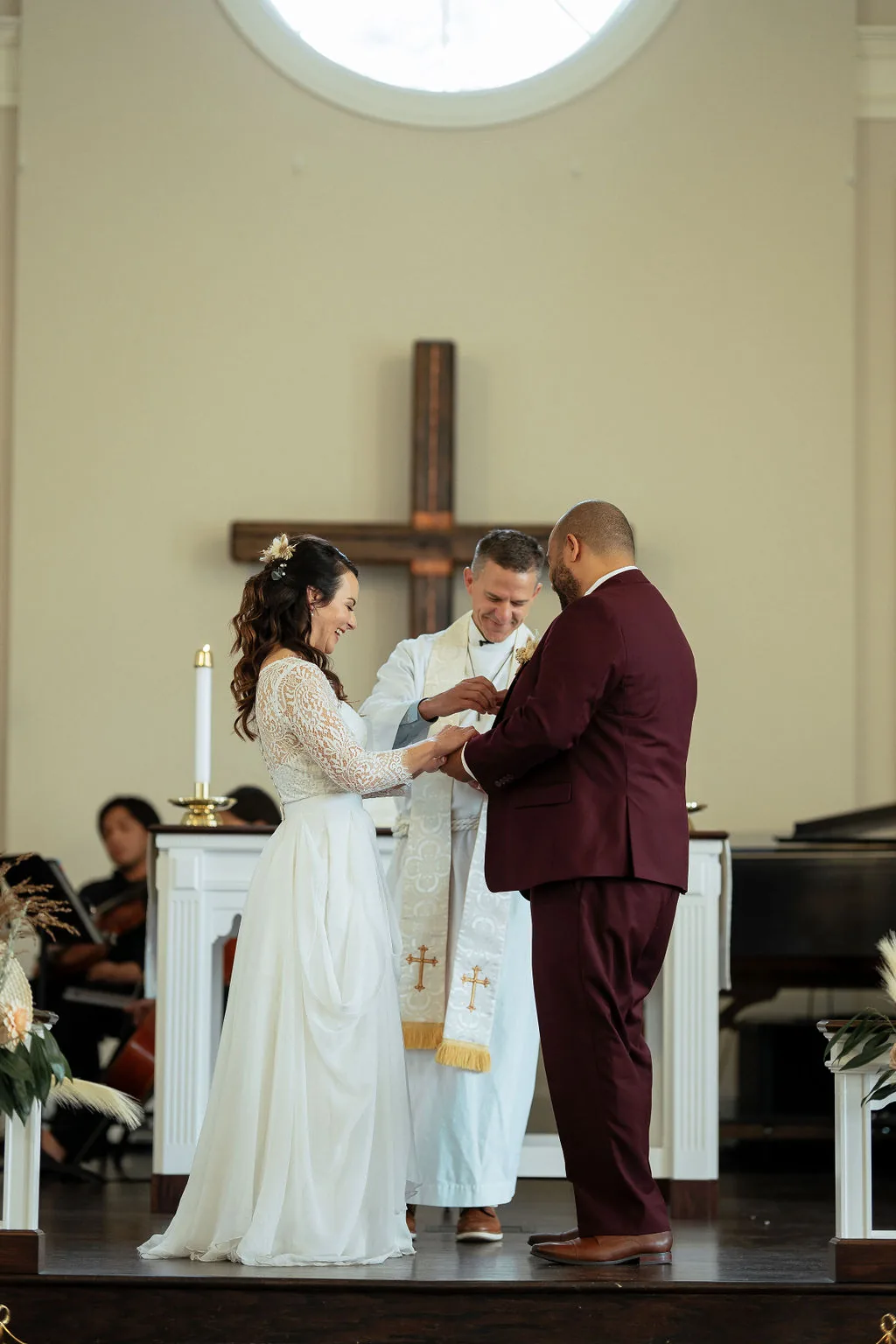
What's the ideal length for a wedding ceremony?
Most ceremonies run 20–30 minutes ideally. Religious ceremonies often hit 25–35 minutes, while civil ceremonies can be as short as 10 minutes. Longer isn't always better, guest attention peaks around 25 minutes, then declines This is important..
We've shot hundreds of ceremonies and tracked what actually works. The sweet spot is 25–30 minutes. A standard religious service with readings, prayers, and vows typically lands here naturally. Civil ceremonies can be more flexible, intimate vows-only might be 10–15 minutes, while a full ceremony with readings and unity rituals hits 20–25 minutes. Beyond 30 minutes, you'll notice guest restlessness increases noticeably (checking phones, shifting weight, sighing). If your ceremony hits 40+ minutes, you need excellent air conditioning, shade for outdoor ceremonies, and short attention spans accepted. The key isn't padding time, it's meaningful content and good pacing. One extra reading or ritual isn't worth losing guest engagement or creating pressure for photography afterward.
How does ceremony length affect the rest of the wedding timeline?
A 20-minute ceremony gives you flexibility for photos and cocktail hour. A 40-minute ceremony compresses everything after, you lose couple portrait time or start dinner late. Plan backward from reception time.
Ceremony length creates a domino effect through your whole day. If your ceremony starts at 4 p.m. and runs 30 minutes, you're at 4:30 p.m. for cocktail hour setup. If you've also got a first look or couple portraits before the ceremony, you need ceremony to stay tight to hit your reception start on time. A 45-minute ceremony at 4 p.m. pushes you to 4:45 p.m., compressing cocktail hour to 45 minutes and putting dinner at 6:30 p.m., late for venues expecting 7 p.m. service. Shorter ceremonies (20–25 minutes) give you cushion for photos, logistics hiccups, or running longer during cocktail hour without cascading delays. If you love ceremony and want it longer, start earlier in the day. A 2 p.m. ceremony gives you golden hour light for photos, a relaxed cocktail hour, and dinner at 6:30 p.m. without feeling rushed. Always build in 10–15 minute buffers between major segments.
Should we have readings in our ceremony?
Readings add 5–8 minutes and personal meaning to the occasion. One to two readings work well, more than that and you're pushing 35+ minute territory. Pick readers who speak clearly and have rehearsed, not improvised.
Readings are meaningful but risky for pacing. Two solid readings add 5–8 minutes and real substance. Four readings push you toward 35–40 minutes and start feeling like a memorial service rather than a celebration. We've seen readings transform ceremonies when they're chosen well (family stories, meaningful poetry, vows someone has actually practiced aloud). But we've also watched amateur readers stumble through text, hunting for the next line, killing momentum. If you're doing readings, insist that readers practice aloud beforehand and time themselves. A smooth 2-minute reading feels natural; a halting 4-minute struggle feels endless. Your officiant should intro each reading with 1–2 sentences of context so guests understand why it matters. Skip readings if your ceremony is already hitting 30 minutes or your family is prone to rambling.
How long should vows take?
Written vows typically run 2–4 minutes each; spoken vows vary widely in real time. Plan for 5–8 minutes total for both partners. Longer vows are romantic but feel long once spoken aloud, aim for substance overall.
Couples almost always underestimate how long vows take to speak. A 3-minute written vow sounds brief until you're up there, voice shaky, reading aloud. Most vows run 90–120 seconds per person when actually spoken. If both partners are exchanging vows, budget 4–6 minutes total, plus 30 seconds for the emotional beat when you finish. We've shot beautiful 90-second vow exchanges and heartbreaking 6-minute ones where both people are crying and laughing. Length isn't the issue, authenticity and pacing are. If you're writing vows, write them, read them aloud to a friend, and time yourself. If you're going off-script, prepare talking points rather than hoping inspiration strikes in the moment. Vows longer than 5–6 minutes combined start to lose guests, especially if you're outdoors in heat.
How many people should be in the wedding party, and does that affect ceremony length?
Four to six attendants on each side is standard and keeps pacing tight. Each additional attendant adds 30–45 seconds for processional and recessional, plus time for witnessing. Skip attendants you don't truly want This is important..
The size of your wedding party directly affects ceremony pacing. Each attendant who walks adds about 30 seconds to the processional, whether they're fast or slow walkers. A wedding with ten bridesmaids and ten groomsmen adds 5–7 minutes to ceremony length just for walking. Beyond that, you've also got seating decisions, coordinating logistics, and photography complexity. We typically recommend 4–6 attendants per side, enough for visual balance and photos, not so many that you're orchestrating a small military operation. A smaller wedding party (2–3 per side) creates an intimate feel and keeps processional tight. A huge party (8+ per side) signals formality and requires careful choreography. If you have lots of close friends and family you want honored, consider readings, soloists, or ushering roles that don't require standing the whole ceremony.
What's too short for a ceremony?
Under 10 minutes feels rushed and doesn't give vows or readings room to breathe. Even elopements benefit from 15+ minutes of meaningful content. Guests should feel like they witnessed something real, not just clapped overall.
Some couples want fast ceremonies to maximize reception time, and we get it. But anything under 10 minutes, vows, a ring exchange, and done, leaves guests feeling like they missed something. You've gathered people on an emotional day; give them time to settle into the moment. A tight ceremony is usually 15–20 minutes minimum: processional, a few opening words from your officiant, vows, ring exchange, and a recessional. Add readings and you're naturally at 20–25 minutes. Even intimate elopements with just close family benefit from 15+ minutes, it signals respect for the moment and gives your photographer real ceremony content rather than a 90-second sprint. If you're in a rush, move the ceremony earlier in the day so you're not cramming it before a hard reception start time. A rushing couple makes guests feel rushed too.