Wedding Photography Timeline: Key Shots to Take
A wedding photography timeline isn't a shot list — it's a decision about where the pressure goes. Every wedding has limited daylight and limited emotional bandwidth. The timeline is how you decide what gets the good light and what gets the rush.
Below is the timeline we use as a starting point for most 8-hour weddings, adjusted around sunset for the specific date. It's built from 15 years of weddings that ran well — and the ones that didn't.
Quick answer
Build the timeline backward from sunset. Schedule the ceremony to end 90 minutes to 2 hours before sunset. That gives you family portraits after the ceremony, cocktail hour overlap, and a 30-minute golden-hour couple portrait window. Add 15 minutes of buffer between every major block. Assign a named family-portrait wrangler. Confirm the final timeline with every vendor three weeks out.
The full 8-hour timeline (anchored to a 7pm sunset)
11:30 am — photographers arrive
Coverage starts when photographers walk in. First frames are detail shots: dress on a hanger in window light, rings on the invitation suite, shoes, bouquet, hair and makeup progress. The light in this hour matters — a well-lit getting-ready room produces detail shots you actually print.
12:30 pm — getting-ready photos
The emotional and candid coverage of the getting-ready space: bride with mom, the first look with the dress, groom with his best friends, candid laughter in the suite. 45–60 minutes.
1:30 pm — first look (if doing one)
A first look adds 20–30 minutes to the timeline but saves an hour elsewhere. The private reveal between the couple before the ceremony, in a quiet location chosen in advance. Emotional, private, and produces some of the best portraits of the day.
If you're not doing a first look, this block is often when the bride and groom finish getting ready separately and the photographer rotates between both suites.
2:00 pm — wedding-party portraits
Bride with her side of the wedding party, groom with his, combined wedding-party shots, and fun group candids. 45–60 minutes.
3:00 pm — immediate family portraits (if doing a first look)
If you did a first look, knock out immediate family portraits now. 20–30 minutes for the core group — parents, siblings, grandparents — before guests arrive.
3:30 pm — ceremony prep, photographers move to ceremony space
Last-look at the ceremony setup, guest arrival candids, pre-ceremony details. Photographers position.
4:00 pm — ceremony
The processional, vows, ring exchange, first kiss, recessional. 30–45 minutes for most ceremonies; longer for religious or cultural traditions.
4:45 pm — cocktail hour begins, family portraits (if no first look)
If you didn't do a first look, this is when extended family portraits happen. 30–45 minutes for 20 family groupings. Otherwise, use this time to photograph the cocktail hour — guest candids, reception detail shots, decor.
5:15 pm — cocktail hour, wedding-party candids
Cocktail hour from a photography perspective: guest candids, reception detail shots before guests enter, photographer break (feed them here).
6:00 pm — golden-hour couple portraits
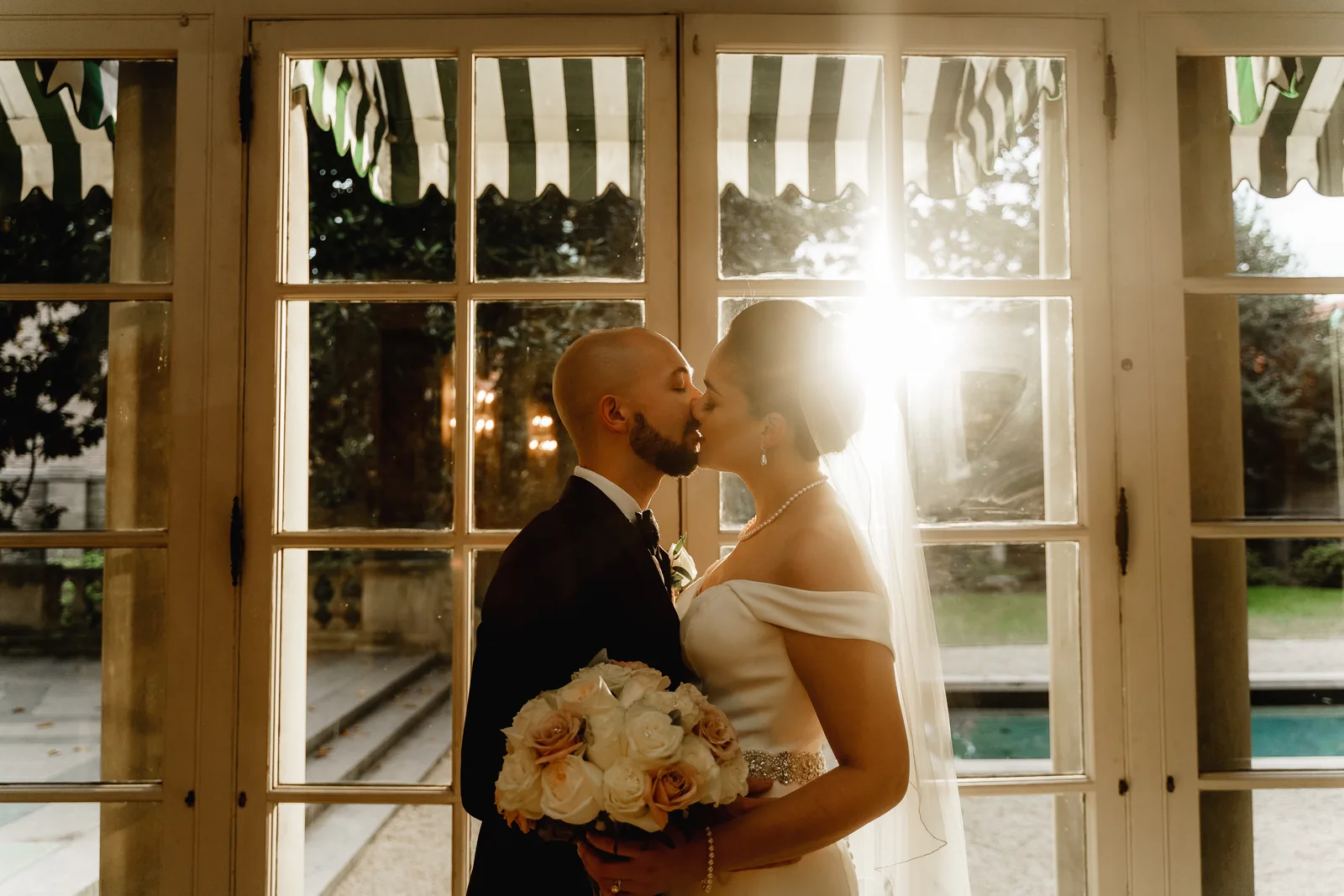
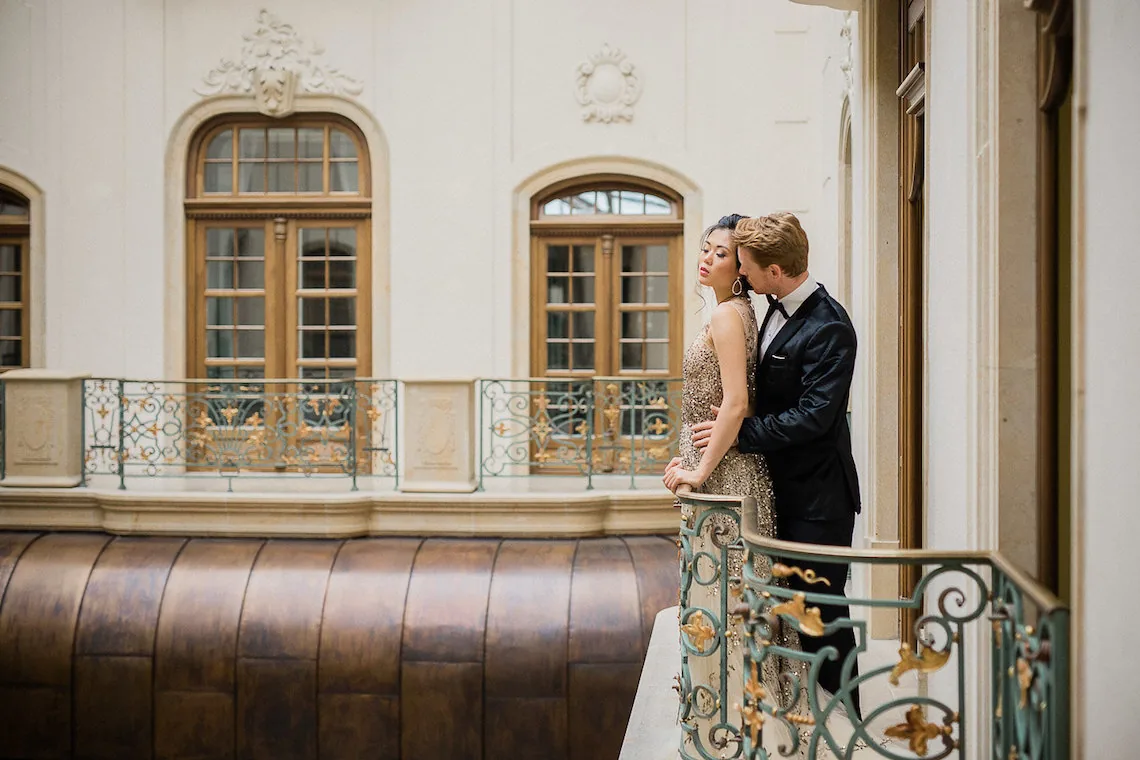
The single most important block. 30 minutes, just the couple, in the best light of the day. Non-negotiable. If the timeline is under pressure, this is the one you protect.
6:30 pm — guests move to reception, grand entrance
Golden-hour ends, transition to reception. Grand entrance, seating, welcome remarks.
6:45 pm — first dance, parent dances
Big emotional moments at the reception — first dance, father-daughter, mother-son. Shot in lower light, usually with off-camera flash.
7:00 pm — toasts, dinner candids
Dinner is served, toasts happen, photographers shoot candid guest reactions and emotional moments during speeches.
7:45 pm — cake cutting
Typically mid-reception. Short (10 minutes).
8:00 pm — open dancing, candid reception coverage
The party starts. Dance-floor candids, open-dance energy, photo-booth moments if applicable.
9:30 pm — photography coverage ends
Typically the last hour of dancing gets shot, then the team wraps. If you want a "last dance" or exit shot (sparklers, confetti, getaway car), build it into the timeline rather than keeping photographers past the contracted end.
How the timeline shifts with different sunset times
Summer (sunset around 8:30 pm): Everything moves 90 minutes later. Ceremony at 5:30, golden hour at 7:30, reception dinner starting around 8:30. You can run a much more relaxed afternoon.
Winter (sunset around 4:45 pm): Everything compresses forward. Ceremony at 2:00 pm at the latest. Golden hour at 3:45 pm. Reception starting by 5:00. Very different day.
Fall (sunset around 6:15 pm): The tightest timeline. Ceremony at 3:15 pm, golden hour at 5:15 pm, reception at 6:00 pm. This is why fall weddings often feel rushed.
Spring (sunset around 7:30 pm): Similar to summer but with more light uncertainty. Same general pattern.
The blocks that always go long
Three blocks consistently run over budget:
Family portraits. Budget 45 minutes for 20 groupings and you'll still be running at time. Name a wrangler to gather family groups. Group combinations matter — "bride + her parents" is fast; "bride + her parents + his parents + all grandparents + siblings + spouses" takes 10 minutes to round up.
Getting ready. Hair and makeup always run late. Plan for your hair-and-makeup schedule to finish 45 minutes earlier than they quote. If the bride is supposed to be done at 1:00, tell them 12:15.
Reception transitions. Grand entrance, first dance, toasts, cake cutting — each one is a transition. Build 5 minutes of buffer into each.
Buffer is the thing that saves timelines
The difference between a timeline that works and one that cascades into chaos is buffer. Every major block should have 15 minutes of buffer after it:
- Getting ready → travel to venue: 15 min buffer
- Ceremony → family portraits: 15 min buffer
- Family portraits → cocktail hour: 15 min buffer
- Cocktail hour → golden-hour portraits: 15 min buffer
- Golden hour → grand entrance: 15 min buffer
If everything runs on time, the buffers become extra breathing room. If one block runs late, the buffer absorbs it without wrecking the rest of the day.
What the second shooter changes
For weddings over 80 guests, a second shooter meaningfully changes what the timeline can cover:
- Getting-ready photos of both partners simultaneously
- Ceremony coverage from two angles (wide + intimate)
- Wedding-party portraits and immediate-family portraits in parallel (cuts 20 minutes)
- Reception candids while the main photographer focuses on key moments
For smaller weddings, a single photographer covers the day well. For anything over 80 guests or with complex logistics (multi-location, separate getting-ready suites far apart), budget for a second.
The one-page timeline document
The final timeline lives as a one-page document shared with every vendor. It includes:
- Every time block with start time, end time, and location
- Vendor arrival times
- Addresses for every location
- Who's leading each transition (planner, coordinator)
- Emergency contacts
- Weather-contingency trigger and decision time
This document goes to the photographer, videographer, planner, venue, florist, and catering. If anyone needs to change something, it goes through the planner.
Frequently asked questions
Want help building your timeline?
Timeline planning is one of the things our White Glove Concierge handles from the first call. If you're putting together your wedding-day schedule and want it stress-tested by a team that's built hundreds, start a conversation.
Planning your wedding?
Get a personalized quote from our team